Key takeaways
- Pro: Molded waterproof body with no vulnerable seams
- Pro: Arch support and comfort insole reduce foot fatigue over long wear
- Con: Limited to women’s sizing, so it is not a household-universal option
Gardening shoes solve a specific, unglamorous problem: they keep your feet dry, protected, and comfortable while you kneel in damp soil, step through puddles between raised beds, or lug bags of mulch across a slippery patio. The right pair means the difference between a productive Saturday morning in the garden and an aching, soggy retreat indoors after twenty minutes.
What separates a good gardening shoe from a mediocre one comes down to a handful of factors that are easy to overlook when shopping. Waterproof construction is non-negotiable, but the type of waterproofing matters: molded rubber seals better than glued seams, and a taller shaft keeps splashing water out when you are working in low spots. Comfort is equally critical because gardening shoes are worn for hours at a time on uneven ground, and arch support or a cushioned insole prevents the fatigue that turns a pleasant activity into a chore. The options below range from purpose-built garden clogs to rubber boots designed for deep mud, and the price spread between the cheapest and most expensive pick in this roundup is less than forty dollars, making it one of the more accessible gear categories to get right.
As an Amazon Associate we earn from qualifying purchases at no extra cost to you. Product prices and availability are accurate as of the date shown and are subject to change.





Quick Picks
| Product | Best for | Price |
|---|---|---|
| Sloggers Original Waterproof Garden Clog (Meadow Print Black) | All-around garden comfort | $36.99 |
| CKWLXQY Men’s Deck Boots | Wet, muddy work with ankle protection | $29.74 |
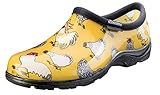
| Sloggers Original Waterproof Garden Clog (Chickens Daffodil Yellow) | Style-conscious gardeners who want function | $36.99 |
| NITTI Women’s Garden Clogs | Budget-friendly arch support | $22.99 |
| Crocs Unisex-Adult Classic Clog | Quick trips outdoors on dry or light-damp ground | $39.99 |
| DUNLOP Chesapeake Rubber Boots | Deep mud and standing water | $19.55 |
| HISEA Women’s Short Rain Boots | Ankle-level waterproofing with a sleek profile | $32.99 |
| Showave Women’s Rain Boots | Tall-shaft coverage in heavy rain and splashing | $58.49 |
How We Picked
We compared every product on published waterproofing specifications, insole and arch support details, shaft height, material construction, and aggregate owner feedback from verified purchases. The criteria that mattered most were: true waterproof integrity (molded rubber outperforms stitched or glued seams), sustained comfort over several hours on hard or uneven surfaces, ease of cleaning after exposure to soil and moisture, and value relative to the price tier. Shoes that looked garden-appropriate but failed on any of those fundamentals were excluded.
The 8 Best Gardening Shoes in 2026
Sloggers Original Waterproof Garden Clog (Meadow Print Black)
This slip-on clog is the most obvious answer for a woman who wants one pair of shoes to handle most garden tasks without fuss. The molded waterproof construction means no stitching to let moisture in, and the built-in arch support with a premium comfort insole keeps feet fresh through extended weeding or pruning sessions. Owners consistently note how easy the Meadow Print Black design is to wipe clean after a morning in the dirt.
- Pro: Molded waterproof body with no vulnerable seams
- Pro: Arch support and comfort insole reduce foot fatigue over long wear
- Con: Limited to women’s sizing, so it is not a household-universal option
Skip it if you need a taller shaft for standing water or deep mud.
CKWLXQY Men’s Deck Boots
These ankle-height waterproof boots bridge the gap between a garden clog and a full rubber boot. The non-slip sole handles wet decks, gravel paths, and mossy stones with confidence, and the fishing-boot heritage means the construction is built to shed water repeatedly. At under thirty dollars, they offer real protection without the bulk of a mid-calf boot.
- Pro: Non-slip sole performs well on slick, wet surfaces
- Pro: Waterproof ankle coverage protects from splashing in shallow water
- Con: Ankle height leaves the lower shin exposed in deeper water
Skip it if you work in water that reaches above your ankle.
Sloggers Original Waterproof Garden Clog (Chickens Daffodil Yellow)
Functionally identical to the Meadow Print Black version, this colorway earns its own spot because it appeals to gardeners who treat their gear as an expression of personality. The bright yellow base with chicken motifs is genuinely cheerful on a gray spring day, and the construction underneath is the same molded waterproof body with arch support that makes the Sloggers line dependable. Made in USA with US and imported parts, it holds up to frequent washing without the pattern fading quickly.
- Pro: Same proven waterproof build and arch support as the standard model
- Pro: Distinctive pattern adds personality without sacrificing function
- Con: High-contrast print can show scuffing more visibly than darker colors
Skip it if you prefer a low-profile, neutral look that blends into any outfit.
NITTI Women’s Garden Clogs
At twenty-three dollars, these clogs undercut most competitors while still offering arch support, a feature often stripped from budget gardening footwear. The light brown finish hides soil marks better than white or pale options, and the slip-on design makes them practical for tasks that involve going in and out of the house repeatedly. Owners report solid comfort for moderate garden sessions.
- Pro: Includes arch support at a price point where it is usually absent
- Pro: Earth-toned color resists visible dirt between cleanings
- Con: Lower price tier means less durable waterproofing over many seasons
Skip it if you need shoes for heavy daily use over multiple years.
Crocs Unisex-Adult Classic Clog
Not a traditional gardening shoe, but a reliable option for dry-season tasks, container gardening on patios, or quick trips to the compost pile. The Croslite material is easy to rinse, the unisex sizing covers a wide range, and the ventilation ports keep feet cool in summer heat. It is a compromise choice that prioritizes breathability and casual comfort over deep-water protection.
- Pro: Lightweight, breathable, and simple to hose off after use
- Pro: Wide unisex size range fits most household members
- Con: Ventilation ports allow water and fine soil to enter in wet conditions
Skip it if your garden gets muddy or you work near standing water.
DUNLOP Chesapeake Rubber Boots
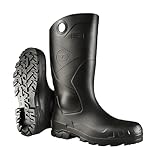
The lowest-priced option in this roundup at nineteen dollars and fifty-five cents, the Chesapeake is a no-frills rubber boot that handles the worst conditions. Full rubber construction means no glued seams to fail, and the tall shaft keeps water out of your pant legs when you are working in saturated ground. It is the pragmatic choice for someone who values protection over style.
- Pro: Full rubber shaft provides maximum waterproofing against deep mud and splashes
- Pro: Lowest price in the group with serious weather protection
- Con: Minimal cushioning inside; most owners add their own insole for comfort
Skip it if you want slip-on convenience or all-day comfort without a supplemental insole.
HISEA Women’s Short Rain Boots
These Chelsea-style ankle boots offer a cleaner look than utilitarian rubber boots while still delivering waterproof protection for garden work. The slip-on design with elastic side panels makes them easy to get on and off, and the shorter shaft keeps them manageable in warm weather without trapping heat. They suit gardeners who want to transition from the beds to a casual outdoor lunch without changing footwear.
- Pro: Refined Chelsea silhouette works off the garden path as well as on it
- Pro: Waterproof ankle coverage with easy slip-on entry
- Con: Short shaft offers limited protection in deeper water or heavy rain runoff
Skip it if you regularly encounter water that could seep over the top of the boot.
Showave Women’s Rain Boots
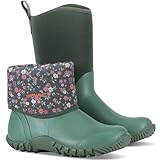
The most expensive pair here at fifty-eight dollars and forty-nine cents, these tall rubber boots justify their premium for gardeners in persistently wet climates or those who work in areas with significant mud. The extended shaft means water cannot breach the top during heavy downpours or when wading through a flooded section of lawn. Owners note the rugged sole grips well on slippery clay soil.
- Pro: Tall shaft provides the highest level of waterproof protection in the group
- Pro: Aggressive tread handles muddy and slippery terrain confidently
- Con: Bulkier profile makes them less suitable for dry, quick garden tasks
Skip it if your climate is mostly dry and you prioritize a lightweight, low-profile shoe.
Buying Guide
Waterproof Construction and Shaft Height
The single most important spec is how the shoe keeps water out. Molded, one-piece rubber construction with no stitching lines will outperform glued or stitched seams in long-term durability and true waterproofing. Shaft height determines what level of wetness you can tolerate: a garden clog sits below the ankle and handles damp soil but not splashing water; an ankle boot protects from shallow puddles; a mid-calf or taller rubber boot is the right call if you garden in areas where water pools or mud splashes up. Match the shaft height to the worst conditions you face regularly, not the average ones.
Comfort and Arch Support for Extended Wear
Gardening is physical, and you will spend time kneeling, crouching, and standing on hard or uneven surfaces. A built-in arch support and cushioned insole reduce foot and lower back fatigue over a session lasting more than an hour. Clogs with a contoured footbed outperform flat rubber boots on comfort, but if you choose a plain rubber boot like the DUNLOP Chesapeake, budget for a supplemental insole to bring comfort up to par. Look for removable insoles as well, since they can be replaced when compressed over time.
Material Durability and Ease of Cleaning
Rubber and molded PVC dominate this category for good reason: they wipe clean with a hose or a damp cloth, resist staining from soil and plant sap, and do not absorb moisture that leads to odor. Canvas or fabric-lined options may feel more comfortable initially but degrade faster when exposed to wet conditions repeatedly. Check whether the sole is bonded or molded to the upper, as bonded soles are the first failure point in cheap shoes. Darker or earth-toned finishes hide scuffs and soil marks between cleanings, extending the visual life of the shoe.
Our Verdict
The Sloggers Original Waterproof Garden Clog is the top pick for most gardeners. It balances true waterproof construction, meaningful arch support, easy cleaning, and a reasonable price in a format that handles the widest range of everyday garden tasks without feeling like heavy equipment. The DUNLOP Chesapeake Rubber Boots win the budget category outright at just over nineteen dollars, delivering genuine full-rubber waterproof protection that far exceeds what the price suggests. And if your garden sits in a low-lying area that floods after every rain or you spend hours in knee-deep mud, the Showave Women’s Rain Boots are the correct choice despite the higher cost, because no other shoe in this list offers equivalent shaft height and traction in those conditions.
FAQ
Can I wear Crocs for gardening?
Crocs work well for dry-season gardening, container work on patios, and tasks on uneven but dry ground. Their ventilation ports mean they are not waterproof, so they fail quickly in mud, standing water, or heavy rain.
Do gardening shoes need arch support?
For sessions longer than thirty minutes on hard surfaces like gravel, pavement, or compacted soil, yes. Without support, the plantar fascia and arch muscles fatigue faster, leading to discomfort that cuts your gardening time short. A built-in or removable cushioned insole makes a noticeable difference.
What is the difference between a garden clog and a rain boot?
A garden clog is a slip-on shoe that sits below the ankle, prioritizing comfort and easy on-off access. A rain boot is a taller waterproof shoe that seals the ankle and sometimes the lower calf, prioritizing water exclusion. Clogs suit dry to lightly damp tasks; boots suit wet and muddy work.
How do I keep gardening shoes from smelling?
Rinse the interior with water and mild soap after each use, then air-dry them upside down in a shaded spot. Remove any insoles to dry separately. Storing them in a sealed bag or a damp garage traps moisture and accelerates bacterial growth, so always dry fully before storing.