Key takeaways
- 1. Fill the glass with ice first. Fill a large stemmed wine glass to the top with large ice cubes. Large cubes melt slower than crushed ice and chill without over-diluting. Let the ice sit for 20-30 seconds to chill the glass, then pour off any melted water if needed.
- 2. Pour the prosecco first. Add 90ml prosecco. Pouring the lightest, most carbonated ingredient first lets it settle around the ice.
- 3. Add the Aperol. Pour 60ml Aperol slowly over the ice. It will naturally swirl through the prosecco and create the signature sunset-orange color without vigorous stirring.
- 4. Top with soda water. Add 30ml soda water or sparkling mineral water. Pour gently down the side to retain bubbles.
- 5. Stir once, gently. Give it a single, slow stir with a long spoon or straw to combine, just one half-circle. Over-stirring flattens the prosecco.
- 6. Garnish and serve immediately. Add a fresh half-wheel or full wheel of orange and serve with a straw if desired.
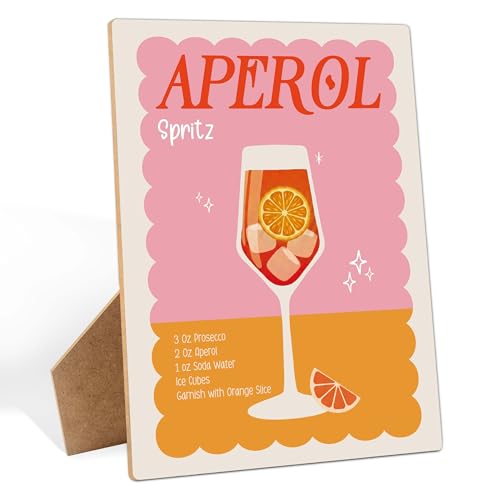
The classic aperol spritz recipe is 3 parts prosecco (90ml / 3 oz), 2 parts Aperol (60ml / 2 oz), and 1 part soda water (30ml / 1 oz), poured over ice in a large wine glass and garnished with an orange slice.
This 3-2-1 ratio is the official ratio from the Gruppo Campari and the International Bartenders Association. It balances the bitter-sweet orange and herbal notes of Aperol with the dry effervescence of prosecco, while soda water lightens the drink so it stays refreshing and low-alcohol enough for daytime serving.
Our top picks

As an Amazon Associate we earn from qualifying purchases at no extra cost to you. Ratings are shown as listed on Amazon.
The Classic 3-2-1 Ratio: Exact Measurements
Getting the ratio right is what separates a balanced spritz from one that tastes too bitter, too sweet, or flat. Use a jigger or measuring cup rather than free-pouring, especially for Aperol, which can easily overpower the prosecco.
| Servings | Prosecco (3 parts) | Aperol (2 parts) | Soda Water (1 part) | Total Volume (without ice) |
|---|---|---|---|---|
| 1 spritz | 90 ml / 3 oz | 60 ml / 2 oz | 30 ml / 1 oz | 180 ml / 6 oz |
| 2 spritzes | 180 ml / 6 oz | 120 ml / 4 oz | 60 ml / 2 oz | 360 ml / 12 oz |
| 4 spritzes (small pitcher) | 360 ml / 12 oz | 240 ml / 8 oz | 120 ml / 4 oz | 720 ml / 24 oz |
| 8 spritzes (large pitcher) | 750 ml / 1 bottle | 500 ml | 250 ml | 1500 ml / 50.7 oz |
For the best result, chill all three liquids beforehand. Prosecco should be well-chilled at 4-6C / 39-43F, soda water cold from the fridge, and even Aperol benefits from being kept in a cool place. A cold build preserves carbonation and prevents the ice from diluting too quickly.
The Correct Pouring Order and Why It Matters
The order prevents the Aperol from sinking to the bottom and keeps the prosecco bubbly. Never shake a spritz and never pour prosecco last over Aperol, or you will lose most of the fizz.
Step-by-Step Build
- 1. Fill the glass with ice first. Fill a large stemmed wine glass to the top with large ice cubes. Large cubes melt slower than crushed ice and chill without over-diluting. Let the ice sit for 20-30 seconds to chill the glass, then pour off any melted water if needed.
- 2. Pour the prosecco first. Add 90ml prosecco. Pouring the lightest, most carbonated ingredient first lets it settle around the ice.
- 3. Add the Aperol. Pour 60ml Aperol slowly over the ice. It will naturally swirl through the prosecco and create the signature sunset-orange color without vigorous stirring.
- 4. Top with soda water. Add 30ml soda water or sparkling mineral water. Pour gently down the side to retain bubbles.
- 5. Stir once, gently. Give it a single, slow stir with a long spoon or straw to combine, just one half-circle. Over-stirring flattens the prosecco.
- 6. Garnish and serve immediately. Add a fresh half-wheel or full wheel of orange and serve with a straw if desired.
If you are batching for a pitcher, reverse the logic slightly: Add Aperol and soda water to the pitcher first, then add the prosecco last just before serving and stir once very gently. This preserves carbonation for guests.
Ice and Glass: What to Use
The glass and ice affect temperature, dilution, and carbonation retention more than most recipes mention. An Aperol Spritz is not served neat or in a small cocktail glass. It needs room for ice and bubbles.
| Glass Type | Capacity | Best For | Drawback |
|---|---|---|---|
| Large stemmed wine glass (standard) | 400-530 ml / 13-18 oz | Ideal balance, room for ice and garnish, keeps hand heat off drink | None – this is the recommended choice |
| Balloon / Burgundy glass | 500-700 ml / 17-24 oz | Extra-large ice cubes, slower warming | Can make the ratio look small, encourages over-pouring |
| Double Old Fashioned / Rocks glass | 300-350 ml / 10-12 oz | Stronger, less-diluted version | Not enough room for correct ratio plus ice, warms faster |
| Stemless wine glass | 350-450 ml / 12-15 oz | Casual outdoor serving, less likely to tip | Hand warms the drink faster, no stem to hold |
For ice, use large 1-inch to 1.25-inch cubes or large spheres broken to fit. Avoid crushed ice or small crescent ice from a fridge dispenser, which melts in 4-6 minutes and waters down the drink before you finish it. If your tap water is hard, filtered water makes clearer, slower-melting ice. Always fill the glass completely with ice. A half-filled glass leaves too much liquid exposed to warm air and causes faster dilution.
Garnish Options Beyond the Orange Slice
The classic garnish is a half-wheel of fresh orange, which adds a light citrus oil aroma that complements Aperol’s bitter orange base. Slice the orange into 1/4-inch wheels and cut one in half so it sits easily inside the glass against the ice.
- Orange wheel or half-wheel: The standard. Use a blood orange in winter for a deeper color and slightly sweeter aroma.
- Orange twist or peel: Express the oils from the peel over the drink before dropping it in for a more aromatic, less fruity presentation.
- Green olive: A common variation in Venice. One large, unpitted Castelvetrano olive on a pick adds a savory, salty counterpoint that makes the drink taste less sweet.
- Rosemary sprig: Lightly clap it between your palms before garnishing to release oils. Pairs well if you are serving the spritz alongside grilled foods.
Avoid lemon or lime wheels. Their higher acidity clashes with the prosecco’s dryness and makes the bitter notes of Aperol taste harsh.
How to Adjust the Spritz to Your Taste
The 3-2-1 ratio is a starting point. Aperol itself is 11% ABV, so the finished drink is relatively low in alcohol, but small changes affect sweetness, strength, and fizz significantly.
| Goal | Adjusted Ratio (Prosecco : Aperol : Soda) | What Changes | Resulting ABV (approx.) |
|---|---|---|---|
| Less sweet, drier | 3.5 : 1.5 : 1 (105ml : 45ml : 30ml) | Less Aperol reduces sugar and orange sweetness | ~7.5% ABV |
| Stronger, more bitter | 2.5 : 2.5 : 1 (75ml : 75ml : 30ml) | More Aperol, less prosecco increases bitterness and alcohol | ~9.2% ABV |
| Lighter, longer, less alcohol | 2 : 1.5 : 2 (60ml : 45ml : 60ml) | More soda water adds dilution and fizz, lowers sweetness | ~6.0% ABV |
| Extra fizzy and dry | 3 : 1.5 : 1.5 (90ml : 45ml : 45ml) | Holds ABV similar but increases bubbles and dryness | ~7.0% ABV |
ABV estimates assume an 11% ABV prosecco and 11% ABV Aperol, not accounting for ice dilution. If you prefer a sweeter drink, choose a prosecco labeled Extra Dry rather than adding more Aperol. Extra Dry prosecco has 12-17 g/L residual sugar compared to Brut at 0-12 g/L, which softens the bitterness without making the drink syrupy. For a stronger drink without extra sweetness, keep the Aperol at 60ml and use a dry prosecco with higher alcohol or add a splash of gin (15ml) rather than increasing Aperol.
For a non-alcoholic version, replace prosecco with a dry non-alcoholic sparkling wine and Aperol with a non-alcoholic bitter orange aperitivo such as Lyre’s Italian Spritz or Crodino. Keep the 3-2-1 ratio to preserve the balance.
Common Mistakes That Ruin an Aperol Spritz
- Using warm prosecco or soda: Warm liquid melts ice instantly, dilutes the drink, and kills carbonation. Chill everything for at least 3 hours before mixing.
- Using flat prosecco: Prosecco loses bubbles within 24 hours of opening, even with a stopper. Open a fresh bottle for spritzes. If it does not fizz actively when poured, it will make a flat spritz.
- Pouring Aperol first: Aperol is denser than prosecco and will pool at the bottom if poured first, requiring hard stirring that flattens the drink.
- Over-stirring: More than one gentle stir knocks out CO2. The bubbles are not just texture, they lift the aroma.
- Too little ice: A sparsely iced spritz warms to room temperature in under 10 minutes outdoors. Fill to the top.
- Wrong sparkling water: Use unflavored soda water or sparkling mineral water, not tonic water. Tonic contains quinine and sugar that make the drink overly bitter and sweet.
Frequently Asked Questions
Can I make an Aperol Spritz without prosecco?
You can, but it will not taste like a classic spritz. Dry Champagne or cremant works as a substitute and will be slightly drier and more acidic. Avoid sweet sparkling wines like Asti, which make the drink cloying. Do not use flat white wine with added soda as a substitute, it lacks the mousse and pressure of a traditional sparkling wine.
How far in advance can I batch it for a party?
Mix Aperol and soda water up to 4 hours ahead and keep chilled. Add prosecco and ice only when ready to serve, within 15 minutes of pouring. A fully mixed batch with prosecco will be flat within about 90 minutes.
What food pairs well with it?
The bitterness and bubbles cut through salty, fatty snacks. Classic pairings are green olives, potato chips, prosciutto, bruschetta, and light fried appetizers. It is traditionally served as an aperitivo before a meal, not with a heavy main course.