Key takeaways
- Best overall for contractors: Exmark Lazer Z, with a welded fabricated deck and a commercial engine choice.
- Best for heavy-duty uptime: Scag Turf Tiger II, a long-running contractor staple.
- Best value from a major commercial line: Toro Z Master 2000 series, with a 7-gauge deck.
- Best dealer-network alternative: Kubota Z726X-60, with a 60-inch fabricated deck and a 26 HP Kawasaki engine.
- Best for mixed commercial and large-estate use: Gravely Pro-Turn 500.
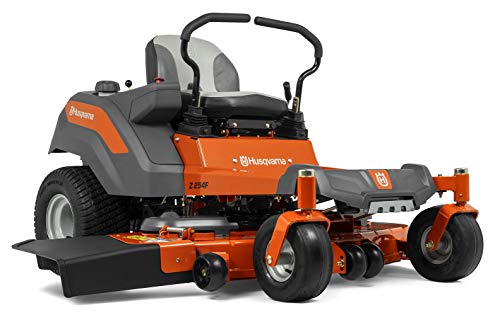
- Best for a few acres on a tighter budget tier: Husqvarna MZ61 with a 24 HP Kawasaki V-twin.
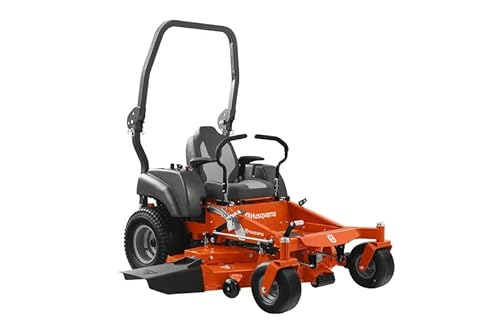
- Best compact commercial-style deck: Ariens APEX 48 with a 10-gauge deck and serviceable Hydro-Gear transmission.
For heavy, daily mowing of large properties, the Exmark Lazer Z, Scag Turf Tiger II and Toro Z Master 2000 series are the benchmark commercial zero-turns, while the Kubota Z726X-60 and Gravely Pro-Turn 500 are strong alternatives for owners who want dealer-supported value, and the Husqvarna MZ61 and Ariens APEX 48 fit smaller crews and serious homeowners with several acres.
A commercial zero-turn is judged on how long it holds up under hundreds of hours a year, not on top speed. Deck construction, hydrostatic drive components, engine class and the warranty’s hour limit tell you whether a machine is built for a landscaping crew or for a homeowner who mows twice a week. This guide compares eight models by those criteria, gives concrete thresholds for property size, and walks through a cost-per-hour calculation so you can decide whether a commercial machine pays off.
Our top picks


As an Amazon Associate we earn from qualifying purchases at no extra cost to you.
Quick picks
- Best overall for contractors: Exmark Lazer Z, with a welded fabricated deck and a commercial engine choice.
- Best for heavy-duty uptime: Scag Turf Tiger II, a long-running contractor staple.
- Best value from a major commercial line: Toro Z Master 2000 series, with a 7-gauge deck.
- Best dealer-network alternative: Kubota Z726X-60, with a 60-inch fabricated deck and a 26 HP Kawasaki engine.
- Best for mixed commercial and large-estate use: Gravely Pro-Turn 500.
- Best for a few acres on a tighter budget tier: Husqvarna MZ61 with a 24 HP Kawasaki V-twin.
- Best compact commercial-style deck: Ariens APEX 48 with a 10-gauge deck and serviceable Hydro-Gear transmission.
How we chose
This guide is based on research, not first-hand evaluation. We compared manufacturer specifications, dealer listings and published industry buyer guidance for 2026 models and left out any spec we could not support. Warranty terms and engine options change between model years and vary by region, so confirm them with a dealer. Where sources disagreed, we describe the class of component rather than quote a number.
- Deck construction: Fabricated (welded) steel decks, typically 7 to 11 gauge, resist impact and flexing. Stamped decks are lighter and cheaper and are more common on residential machines.
- Drive system: Dual hydrostatic transmissions, often Hydro-Gear units, with serviceable filters and cast housings are the commercial standard. Look for serviceable, not sealed, units.
- Engine class: Commercial V-twins from Kawasaki, Kohler and Briggs in the 24 to 27 HP range, air-cooled, with large air filters.
- Spindles: Cast iron housings with greaseable bearings outlast stamped steel housings.
- Warranty and hours rating: Truly commercial machines usually carry hour-based limits in the range of 1,000 to 1,500 hours. A lower hour cap signals a residential-grade design.
- Service access: Tilt-up seat or deck lift, grease points you can reach, and a local dealer with parts in stock.
Comparison table
| Model | Deck | Engine class | Drive | Best for |
|---|---|---|---|---|
| Exmark Lazer Z | Welded fabricated steel | Kawasaki or Kohler commercial V-twin | Dual hydrostatic | Daily contractor use |
| Scag Turf Tiger II | Fabricated, heavy-duty | Commercial V-twin class | Dual hydrostatic | Heavy daily use |
| Toro Z Master 2000 series | 7-gauge fabricated | Commercial V-twin class | Dual hydrostatic | Crews on a value tier |
| Kubota Z726X-60 | 60 in. fabricated | 26 HP Kawasaki | Dual hydrostatic | Large properties, dealer support |
| Gravely Pro-Turn 500 | Fabricated steel | Commercial V-twin class | Dual hydrostatic | Mixed commercial and estate |
| Husqvarna MZ61 | 61 in. fabricated, 11-gauge | 24 HP Kawasaki FR730V (726 cc) | Hydrostatic | Several acres, light commercial |
| Ariens APEX 48 | 48 in., 10-gauge steel | 23 HP Kohler (725 cc) | Hydro-Gear ZT-3100, serviceable | Mid-size lots, tight gates |
Buying thresholds by property size
| Property size | Deck width | Use level | Suggested class |
|---|---|---|---|
| 1 to 3 acres, weekly mowing | 48 to 54 in. | Residential or light commercial | Ariens APEX 48, Husqvarna MZ54 |
| 3 to 6 acres, weekly mowing | 54 to 61 in. | Light commercial | Husqvarna MZ61, Kubota Z726X-60 |
| 6 to 15 acres or several properties | 60 to 72 in. | Commercial | Toro Z Master 2000, Gravely Pro-Turn 500 |
| Daily crew use, 800+ hours per year | 60 to 72 in. | Heavy commercial | Exmark Lazer Z, Scag Turf Tiger II |
The mowers in detail
Exmark Lazer Z
Spec line: welded fabricated steel deck · Kawasaki or Kohler commercial V-twin options · dual hydrostatic drive · commercial frame
Best for: Landscaping businesses that mow daily and rank deck strength, cut quality and dealer support above price.
Skip if: You mow a few acres on weekends; the premium tier price and weight are overkill.
- Pros: strong reputation among contractors; welded deck; wide range of widths and engines.
- Cons: premium tier price; heavier machine; options vary by trim.
Scag Turf Tiger II
Spec line: fabricated heavy-duty deck · commercial V-twin class engine · dual hydrostatic transmissions · built for daily use
Best for: Crews that want a rugged machine and rely on a dealer for service and parts.
Skip if: You want a lower purchase price; this model sits near the top of the price range.
- Pros: heavy-duty reputation; long service life when maintained.
- Cons: premium tier price; warranty terms differ across sources, so verify before buying.
Toro Z Master 2000 Series
Spec line: 7-gauge fabricated deck · commercial V-twin class engine · dual hydrostatic drive
Best for: Contractors and large-property owners who want a commercial deck and a wide dealer network at a mid-range to premium price.
Skip if: You need the longest hour-rated warranty in the category; check hours and years before deciding.
- Pros: 7-gauge deck; broad dealer coverage; good parts availability.
- Cons: options vary by trim; warranty hours are lower than some competitors on some trims.
Kubota Z726X-60
Spec line: 60-inch fabricated deck · 26 HP Kawasaki engine · dual hydrostatic drive
Best for: Owners of large estates or farms already served by a Kubota dealer.
Skip if: Your nearest dealer is far away; service access matters more than the badge.
- Pros: 26 HP Kawasaki engine; fabricated 60-inch deck; mid-range to premium price.
- Cons: fewer deck width options than large commercial lines; dealer density varies.
Gravely Pro-Turn 500
Spec line: fabricated deck · commercial V-twin class engine · dual hydrostatic drive · value-oriented commercial positioning
Best for: Mixed use where you want commercial construction and slightly lower cost than the top contractor brands.
Skip if: You need to see long-term contractor fleet data; this line is less common on landscaping crews.
- Pros: commercial deck and drive; positioned as value in its class.
- Cons: dealer listing prices vary widely; verify current specs and warranty.
Husqvarna MZ61
Spec line: 61-inch fabricated 11-gauge steel deck · 24 HP Kawasaki FR730V V-twin (726 cc) · hydrostatic zero-turn · large footprint
Best for: Serious homeowners and part-time crews mowing several acres.
Skip if: You have narrow gates or limited storage; the large footprint can be an issue.
- Pros: wide deck; Kawasaki V-twin; fabricated deck.
- Cons: requires regular hydrostatic fluid checks; commercial hour rating should be confirmed.
Ariens APEX 48
Spec line: 48-inch 10-gauge steel deck · 23 HP Kohler (725 cc) · Hydro-Gear ZT-3100 serviceable transmission · 5.1-gallon fuel tank · fully steel frame
Best for: Lots with fences and gates that a wider deck cannot pass, and owners who want serviceable transmissions.
Skip if: You mow more than about five acres per week; the narrower deck means more passes.
- Pros: serviceable Hydro-Gear transmission; 10-gauge deck; large fuel tank.
- Cons: steel frame adds weight; narrower cut.
Worked example: cost per mowing hour
A commercial mower costs more up front, but its cost per hour can be lower if you put many hours on it. Use this method with real dealer quotes.
- Suppose a premium commercial mower costs 3 times a mid-range residential-grade mower, and your property needs 12 hours of mowing per week for 30 weeks per year, which is 360 hours per year.
- Over 5 years that is 1,800 hours. A residential-grade mower with a 500-hour practical life would need to be replaced about 3.6 times. A commercial mower rated for 1,500 hours of warranted use would be replaced about 1.2 times.
- Divide purchase price by lifetime hours. If the residential mower costs 1 unit, its cost per hour is 1 divided by 500, or 0.0020 units. The commercial mower costs 3 units; divided by 1,500 hours, it is also 0.0020 units.
- Add service. Commercial machines have serviceable parts that extend life, but they also need scheduled maintenance. Residential machines often fail at the transmission or spindles rather than being serviced.
- The result: at about 360 hours a year, the cost per hour is comparable, and the commercial mower wins on downtime and resale value. Below about 150 hours a year, a residential or light-commercial machine is cheaper per hour. Use your own numbers.
Features that matter on large properties
Ground speed and productivity
Commercial zero-turns commonly reach forward ground speeds in the low teens of miles per hour, but real productivity depends on deck width, overlap and turning. A wider deck cuts passes; a faster mower only helps if the terrain is smooth enough to hold that speed without scalping or bouncing.
Suspension and operator comfort
Seat suspension and, on some lines, suspended platforms or frames reduce fatigue over a long day. If you mow more than four hours at a stretch, comfort affects both the quality of cut and how carefully you operate near obstacles.
Fuel capacity
A larger tank means fewer refueling stops. The Ariens APEX 48 lists a 5.1-gallon tank; for contractors working back-to-back lawns, a tank that lasts a full shift saves time.
Deck height range and lift
Look for a wide cutting-height range with positive detents, plus a foot-assist or hydraulic deck lift. Taller settings help in stressed or overgrown turf and reduce engine load.
Mulching, bagging and sulky options
Most commercial decks discharge to the side. Mulching kits and baggers are optional on many lines, and a sulky or platform lets an operator ride along when trimming near obstacles. Check which attachments the dealer stocks before you commit.
Maintenance that protects the warranty
- Follow the manual’s schedule for engine oil, filters and hydrostatic fluid. Many warranties require documented service.
- Grease spindles and caster wheels at the interval specified; commercial users often do it daily or weekly.
- Blow out air filters and cooling fins daily during dusty mowing.
- Keep blades sharp and balanced. Dull blades increase engine load and fuel use.
- Check tire pressure; uneven pressure causes scalping and uneven cuts.
- Keep service records and hour meter readings for warranty claims.
Safety for zero-turn mowers
- Zero-turn mowers can tip on slopes. Avoid slopes steeper than the limit in your manual, commonly around 10 degrees, and mow up and down rather than across when the manual instructs it.
- Use the roll-over protection structure and seat belt if equipped. Do not remove the ROPS.
- Clear sticks, stones and toys before mowing. Discharge deflectors reduce thrown objects.
- Keep children and pets away from the working area.
- Wear hearing protection; commercial engines are loud.
- Never leave the seat with the blades engaged, and shut the engine off before clearing the deck.
Frequently asked questions
What makes a zero-turn mower commercial grade?
A fabricated welded deck, commercial engine, serviceable hydrostatic transmissions and cast spindles define commercial grade, along with an hour-based warranty.
Residential models usually use stamped decks and sealed transmissions.
How many hours should a commercial zero-turn last?
Many commercial warranties cover roughly 1,000 to 1,500 hours, and well-maintained machines can run beyond that.
Check the hour limit on the specific model you are considering.
What deck width should I buy for a large property?
For 3 to 6 acres, 54 to 61 inches balances speed and maneuverability. For 6 acres or more, 60 to 72 inches saves time.
Make sure the deck fits through your gates before choosing a wider cut.
Are fabricated decks better than stamped decks?
Yes for heavy use. Welded fabricated decks use thicker steel, 7 to 11 gauge, and resist impact and flexing better than stamped decks.
Stamped decks are lighter and fine for light use but dent and crack sooner under heavy work.
Do I need a diesel engine?
Not usually. Gas V-twins from Kawasaki or Kohler dominate zero-turns. Diesel is an option on some lines and offers torque and fuel economy for high-hour use.
Diesel adds cost and is worthwhile only at high annual hours.
How do I compare warranties?
Compare years, hours and what is covered: engine, transmissions, deck and frame. Commercial use may shorten the term.
Ask the dealer for the written warranty for the exact model and year, since terms change.
Is a zero-turn safe on slopes?
Zero-turns have limited traction on hills and can tip or slide. Follow the manual’s slope limit and avoid wet grass on slopes.
For steep ground, use a walk-behind or a mower designed for slopes.
Is a commercial mower worth it for a homeowner?
Only if you mow at least a few hundred hours a year or want longevity and serviceability. Otherwise a light-commercial or high-end residential mower is better value.
Use the cost-per-hour method above with real quotes.
Bottom line
Choose the machine for the hours you run. Contractors mowing daily should shortlist the Exmark Lazer Z, Scag Turf Tiger II and Toro Z Master 2000 series. Estate owners with a Kubota dealer nearby can consider the Z726X-60, and those wanting a value commercial build can look at the Gravely Pro-Turn 500. For several acres, the Husqvarna MZ61 and Ariens APEX 48 offer fabricated decks at lower tiers. Confirm warranty hours and engine options with a dealer before you buy.