Key takeaways
- Compare the best sandboxes for backyard play, from compact plastic turtle and crab designs to large wooden boxes, with sizes, covers and sand capacity.
The best sandbox for most backyards is a mid-size plastic model with a solid lid, because it keeps sand dry, needs no assembly, and survives years of weather without treatment. The Step2 Naturally Playful Sandbox is the strongest all-round pick here: it holds up to 200 pounds of sand, seats four children on molded corner ledges, and closes with a fitted lid. Families with toddlers and very little space are better served by the compact Little Tikes Turtle Sandbox 2.0 or the Simplay3 Coastal Crab, while anyone who wants a sandbox that doubles as garden furniture should look at the wooden KidKraft Backyard Sandbox or the large octagonal VEVOR model.
Every sandbox in this roundup is the same product type — a self-contained outdoor sand pit for children — and each one includes some form of cover, because uncovered sand quickly becomes a litter box for neighborhood cats and a puddle after rain. The picks are grouped into budget, mid-range, and premium tiers based on size, materials, and features rather than price, and the specs under each product come from the manufacturer’s published listing data.
As an Amazon Associate, we earn from qualifying purchases.
Table of Contents
- Little Tikes Turtle Sandbox 2.0
- Simplay3 Coastal Crab Sandbox
- Step2 Naturally Playful Sandbox
- KidKraft Wooden Backyard Sandbox
- VEVOR Wooden Sandbox with Cover, 75.6 Inch Octagonal
- How to Choose the Right Sandbox
- Frequently Asked Questions
- Conclusion
Little Tikes Turtle Sandbox 2.0
The Turtle Sandbox 2.0 is the budget-friendly starting point in this lineup and the one most parents picture when they think of a first sandbox. It is a one-piece molded plastic turtle whose shell lifts off to reveal the sand pit, then drops back on as a lid that keeps rain and animals out between play sessions. At 38 inches long and 34 inches wide, it fits on a small patio or in the corner of a deck where a wooden sandbox would never go, and the listing rates it for children from 1 to 6 years old, which makes it a sensible first sandbox for toddlers.
Four seats are molded into the outside rim, so children can perch around the edge instead of sitting in the sand itself, a small detail that keeps clothes cleaner and gives adults somewhere to sit while they supervise. The pit holds more than 100 pounds of play sand, enough for digging and molding at the 3 to 4 inch depth young children actually use. Because the whole unit is plastic, it rinses clean with a hose and can be tipped on its side for storage in a garage over winter.
Specs:
- Dimensions: 38 x 34 x 10.5 inches
- Material: molded plastic
- Sand capacity: more than 100 pounds of play sand (sand not included)
- Cover: turtle shell lid
- Seating: four molded seats on the outer rim
- Age range: 1 to 6 years
- Model number: 664526-M8
Simplay3 Coastal Crab Sandbox
The Coastal Crab is the other compact plastic option, and it stands out for two reasons: it arrives fully assembled, and it is made in the USA. The crab-shaped body measures 33.5 x 26 x 10 inches, the smallest footprint in this roundup, so it suits balconies, townhouse yards, and daycare corners where space is tight. The listing covers the Teal colorway, and the matching shell lid snaps over the pit to protect the sand when play is done.
Simplay3 rates the pit for up to 100 pounds of play sand and an age range of 1.5 to 5 years, which matches its toddler-first design. At 15 pounds empty, one adult can carry it to a new spot, empty it for cleaning, or bring it under cover before a storm without help. The trade-off for the small size is capacity: two toddlers fit comfortably, but siblings much past preschool age will outgrow it, at which point the Step2 below is the natural step up.
Specs:
- Dimensions: 33.5 x 26 x 10 inches
- Item weight: 15 pounds
- Material: plastic
- Sand capacity: up to 100 pounds of play sand (sand not included)
- Cover: fitted crab shell lid
- Assembly: none, arrives fully assembled
- Age range: 1.5 to 5 years
- Origin: made in the USA
Step2 Naturally Playful Sandbox
The Naturally Playful Sandbox is the mid-range plastic pick and the best fit for most families. Its double-walled polyethylene body is styled to look like sandstone boulders, so it blends into landscaping instead of standing out as a bright plastic toy. The pit holds up to 200 pounds of sand, double the capacity of the two compact models above, and four molded-in cornerstone seats give children defined spots to sit, kneel, and set their tools while they play.
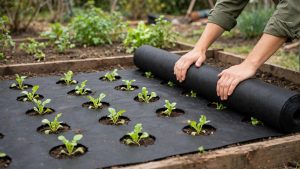
The sunshine-motif lid is the detail that sells this design. It fits over the whole pit to block rain and debris, and its molded texture means the closed sandbox reads as a garden boulder when not in use. The sandbox measures 44 x 32 x 15.5 inches, arrives fully assembled, and is built for toddlers and preschoolers, with the listing aimed at children from 1 year old. There is no bottom panel, so it should sit on a level patch of ground or a landscape fabric sheet that lets rain drain through instead of pooling in the sand.
Specs:
- Dimensions: 44 x 32 x 15.5 inches
- Material: double-walled polyethylene plastic
- Sand capacity: up to 200 pounds of play sand (sand not included)
- Cover: sunshine-motif fitted lid
- Seating: four molded-in cornerstone seats
- Assembly: none, arrives fully assembled
- Model number: 7220KR
KidKraft Wooden Backyard Sandbox
The KidKraft Backyard Sandbox moves the roundup into wood, and it looks the part of garden furniture rather than a toy. Assembled, it is a 60 x 60 x 8.5 inch square frame, wide enough for several children to dig at once, and the four corners are built up into seats so kids and supervising adults can sit on the frame itself. KidKraft rates it for ages 2 to 8, the widest span in this group alongside the VEVOR.
Instead of a hard lid, this sandbox ships with a mesh cover. Mesh keeps leaves, debris, and animals out while letting rain pass through and the sand dry afterward, which reduces the musty smell a sealed, damp pit can develop. The trade-off is that the sand will get wet in a storm, so many owners add a tarp over the top in wet seasons. Assembly is required, and because the frame is open-bottomed, a liner or landscape fabric underneath helps with drainage and keeps sand from mixing with soil. Wood also asks for occasional care: a coat of outdoor sealant every season or two keeps the frame from graying and splintering.
Specs:
- Dimensions: 60 x 60 x 8.5 inches, assembled
- Material: wood
- Cover: mesh cover included
- Seating: four corner seats built into the frame
- Age range: 2 to 8 years
- Model number: 00130
- Assembly: required
VEVOR Wooden Sandbox with Cover, 75.6 Inch Octagonal
The VEVOR octagonal sandbox is the premium, big-yard option. At 75.6 inches across, it is far larger than anything else here, and the eight-sided fir wood frame reads as a permanent garden feature. Four benches are built into the frame, so children can sit above the sand on all sides, and the manufacturer rates the sandbox for ages 3 to 12, making it the pick for families who want one sandbox that lasts from preschool into the grade-school years.
VEVOR includes both a cover and a bottom liner in the box. The liner matters at this size: it separates the sand from the ground, improves drainage, and discourages weeds from growing up through the pit, while the cover keeps the large sand surface clean between sessions. Assembly is required, and the footprint deserves a permanent, level spot in the yard, because a sandbox this size is not something you move once it is filled. Expect the fill to be the biggest job: a pit this wide takes many bags of play sand to reach a useful digging depth.
Specs:
- Dimensions: 75.6 x 75.6 x 9.1 inches
- Material: fir wood
- Seating: four built-in benches
- Cover: cover and bottom liner included
- Age range: 3 to 12 years
- Model number: WSB-1770
- Assembly: required
How to Choose the Right Sandbox
Start with size and headcount. A compact pit around 34 to 44 inches wide works for one or two toddlers. Once three or more children will dig together, or the sandbox needs to last past preschool, step up to a 60 inch wooden frame or the 75.6 inch VEVOR. Measure the spot before ordering, and leave room around the sandbox for children to walk and for an adult to kneel.
Do the sand math before you buy. Play sand is sold in 50 pound bags, and capacity ratings make the math simple: a 100 pound pit needs about two bags, the 200 pound Step2 needs about four, and a large wooden pit needs substantially more. A fill depth of 3 to 6 inches is plenty for digging and molding; deeper sand mostly sits untouched at the bottom. Always choose washed play sand, which is screened for dust and sharp particles, rather than builder’s sand.
Pick the cover style that matches your climate. Solid lids, like the turtle shell and the Step2 lid, shed rain and keep sand dry, but they can trap moisture in humid weather. Mesh covers, like the KidKraft’s, breathe and let sand dry out, but the sand gets wet when it rains. Either style is far better than no cover, because an open pit invites cats, raccoons, and leaf litter.
Think about the bottom. Most sandboxes are open underneath. On soil or lawn, lay landscape fabric or use an included liner so rain drains away and weeds stay down. On a deck or patio, a liner also keeps sand from staining the boards. Set the sandbox on level ground, ideally where it gets some shade during the hottest part of the day, and tip or cover it before heavy storms.
Match the material to your maintenance appetite. Molded plastic needs nothing beyond a rinse and can be stored indoors over winter. Wood looks better in a landscaped yard and carries the largest sizes, but it needs assembly, an occasional coat of sealant, and a permanent spot, since a filled wooden sandbox is effectively fixed in place.
Frequently Asked Questions
How much sand does a sandbox need?
It depends on the pit’s capacity rating and the depth you want. Compact plastic sandboxes hold about 100 pounds, mid-size models like the Step2 hold up to 200 pounds, and large wooden pits hold much more. Since play sand comes in 50 pound bags, divide the capacity by 50 to get a bag count, and aim for a fill depth of roughly 3 to 6 inches, which is deep enough for digging without wasting sand at the bottom.
Is a plastic or wooden sandbox better?
Plastic sandboxes are lighter, arrive assembled, resist weather without treatment, and usually include a hard lid, which makes them the easier choice for toddlers and small yards. Wooden sandboxes are larger, double as garden furniture, and suit older children, but they need assembly, a liner for drainage, and periodic sealing. Neither material is better in absolute terms; the right pick depends on the child’s age, the space available, and how much upkeep you accept.
Does a sandbox really need a cover?
Yes. An uncovered sandbox collects leaves and rain, and neighborhood cats and raccoons treat loose sand as a litter box. A solid lid keeps sand dry and clean, while a mesh cover blocks animals and debris but lets rain through so the sand can dry afterward. If a sandbox has no cover at all, a plain tarp weighted at the corners is a workable substitute.
Where should you put a sandbox in the yard?
Choose a level spot with decent drainage, away from sprinkler heads that would soak the sand daily. Partial shade is ideal, because full sun makes sand hot at midday, while deep shade keeps it damp. Keep the sandbox visible from the house for supervision, and avoid placing it under trees that drop sap, berries, or heavy leaf litter into the pit.
Conclusion
For most families, the Step2 Naturally Playful Sandbox is the right buy: 200 pounds of capacity, four molded seats, a proper lid, and no assembly or upkeep. Toddlers in small spaces are better matched to the Little Tikes Turtle Sandbox 2.0 or the fully assembled Simplay3 Coastal Crab. If the sandbox should look like part of the garden and serve children for years, the wooden KidKraft Backyard Sandbox covers ages 2 to 8 in a 60 inch frame, and the octagonal VEVOR is the large, long-lasting option for big yards and older kids. Whichever design you choose, budget for washed play sand and keep the cover on between sessions, and the sandbox will stay clean, dry, and ready to use.
FAQ
How much sand does a sandbox need?
Is a plastic or wooden sandbox better?
Does a sandbox really need a cover?
Where should you put a sandbox in the yard?
More from Amazon
Programs that pair well with the guide above. Offers and eligibility are set by Amazon and may change.
Collect the home and kitchen items you want in one registry that guests can shop from.
Create a wedding registrySet up recurring deliveries of everyday items on eligible products. Terms and savings are set by Amazon.
Explore Subscribe & SaveFree shipping on eligible items, Prime Video and more. Eligible new members can start with a free trial.
Start a Prime free trialAudiobooks and podcasts to listen to on the go. Eligible new members can start with a free trial.
Try Audible freeAs an Amazon Associate we earn from qualifying purchases.