
Key takeaways
- The problem is specific and familiar: you are kneeling in saturated soil, hosing out a pond, or walking wet grass at dawn and your shoes soak through within minutes. A proper garden boot keeps your feet dry for hours, grips…
The problem is specific and familiar: you are kneeling in saturated soil, hosing out a pond, or walking wet grass at dawn and your shoes soak through within minutes. A proper garden boot keeps your feet dry for hours, grips slick surfaces, and survives repeated exposure to mud, thorns, and standing water. What separates a good pair from a disappointing one comes down to seam integrity, sole bonding under stress, shaft height relative to your actual tasks, and whether the material stays flexible through a full season of use.
This roundup compares eight garden boots on published specs, listed prices, and aggregated owner feedback available in 2026. No single pair suits every gardener. A woman doing light container work in raised beds has different needs than a man hauling compost through a flooded paddock. Below I sort each option by who benefits most and where it falls short, so you can find the pair that matches your chores without reading eight full descriptions.
As an Amazon Associate we earn from qualifying purchases at no extra cost to you. Product prices and availability are accurate as of the date shown and are subject to change.




Quick Picks
| Product | Best for | Price |
|---|---|---|
| Western Chief Tall Waterproof | Heavy wet work, deep splash | $27.50 |
| DUNLOP Chesapeake (Rubber, Size 11) | Budget all-rounder | $19.55 |
| Fubotao Mid Calf (listing one) | Light garden errands, style | $25.99 |
| Fubotao Mid Calf (listing two) | Same model, seller flexibility | $25.99 |
| ZCVQX Deck Boot | Patio and potting tasks | $24.99 |
| Showave Mud Boot | Demanding, frequent muddy work | $58.49 |
| Tingley Industrial Boot | Hardscaping, low replacement cost | $16.59 |
| DUNLOP Chesapeake (PVC, Wide Calf) | Wide calves, broad size range | $25.32 |
How We Picked
Four criteria drove this selection. First, waterproof construction: boots with molded or welded seams outperform glued joints under repeated flexing. Second, sole design and grip pattern, because a boot that slides on wet clay or glazed pavers is a liability regardless of how dry it keeps your feet. Third, shaft height and calf fit, since the right boot must match the depth of water or mud you actually encounter and accommodate leg shape without pinching. Fourth, the price-to-durability ratio visible in multi-season owner reports, which reveals whether a cheap boot is genuinely economical or simply costs less to replace twice.
The 8 Best Garden Boots in 2026
Western Chief Women’s Tall Waterproof Rain Boot
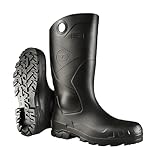
This is the strongest choice for gardeners working in standing water, splash zones around ponds, or overflow irrigation. The tall shaft prevents water ingress even when you step into a flooded bed section where shorter boots fail. Owners consistently praise all-day comfort and reliable traction on wet grass and slick clay. The trade-off is bulk: the height and weight make it excessive for light potting or quick outdoor tasks. Styling is purely functional, so skip this if you want a boot you can wear into a hardware store without looking like you just left a swamp. Best for women doing heavy wet-weather work who prioritize coverage over appearance.
DUNLOP Chesapeake Rubber Boots (Plain Toe, Black, Size 11)
At under twenty dollars, this is the cheapest solid rubber boot in the roundup and one of the most frequently recommended budget options across garden forums. The plain-toe design keeps weight low and flexibility high compared to capped alternatives. Owners report dependable grip on muddy slopes and reasonable comfort for two- to three-hour sessions. The con is limited sizing flexibility: it comes in standard increments with minimal wide-calf accommodation, which excludes some leg shapes. Skip this if you have larger calves or need more than four hours of continuous wear, as the insole is thin and provides little cushioning over time.
Fubotao Women’s Mid Calf Rain Boots (Listing One)
The Fubotao mid-calf targets gardeners who want a boot bridging utility and appearance: the sleek profile means you can move from planting beds to a coffee stop without a shoe change. Owners highlight the removable comfortable insole and adequate anti-slip tread as genuine strengths for light-to-moderate work. Waterproofing holds for rain and damp grass, covering most weekend tasks. The limitation is height and long-term durability under heavy conditions: mid-calf stops splash from deeper water, and some reports note sole bonding weakening after a full season of daily use. Skip this for work involving standing water or repeated hauling of wet mulch.
Fubotao Women’s Mid Calf Rain Boots (Listing Two)
This is the same Fubotao model at the same price, listed through a different seller channel. Owner feedback mirrors listing one exactly: comfortable insole, light weight, adequate waterproofing for everyday errands. The practical distinction for a buyer is availability: two listings at identical price points suggest broader stock and more competitive shipping or return terms. The downsides are unchanged: mid-calf height limits use to dry or lightly damp conditions, and the fashion-oriented design uses a thinner rubber compound than utility-focused alternatives. Choose this listing over the first purely on seller convenience or return-window preference.
ZCVQX Women’s Deck Boots Waterproof Ankle Rain Boots
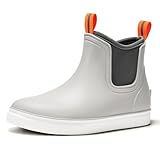
The ankle-height ZCVQX is built for patio work, quick potting sessions on a deck, and short outdoor tasks where a full rain boot is overkill. Owners appreciate the low profile: walking indoors is practical without water channeling down a tall shaft, and the boot slips on for brief errands. Waterproofing handles splashes and damp surfaces but will not survive submersion past the collar. The con is traction on smooth wet surfaces like glazed tiles or oil-treated concrete, where the tread pattern lacks the depth to bite. Skip this if your work involves kneeling in saturated soil or any area where water exceeds ankle height.
Showave Women’s Rain Boots Waterproof Garden Mud Boots
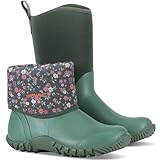
The Showave commands the highest price here, and owners justify it with specific construction details: thicker rubber at the toe box, reinforced stitching at stress points, and a deeper lug pattern that grips loose mud rather than skating on it. Long-term reviews report multiple seasons of heavy use before visible degradation. The trade-off is weight and initial stiffness; some break-in period is required, and the boot feels substantial for quick errands. Styling is strictly functional. Skip this if your garden work is light and occasional; the premium buys durability that only pays off under frequent, demanding use in wet and abrasive conditions.
Tingley Unisex Plain Toe Industrial Boot
The Tingley is the lowest-priced option and the only one explicitly labeled industrial. It targets hardscaping, concrete mixing, and commercial garden work where you need a boot that survives chemical splash and abrasive surfaces at a low replacement cost. The PVC-rubber blend handles these conditions better than fashion-oriented alternatives. The obvious trade-off is comfort: no cushioned footbed, no ergonomic arch support, minimal flexibility out of the box. Owners who add a gel insole report it becomes workable, but the price advantage narrows. Skip this for delicate flower-bed work or any task involving long distances on foot.
DUNLOP Chesapeake Rubber Boots (PVC, Wide Calf, Size 3-25)
This DUNLOP variant solves the sizing constraint that the solid rubber version cannot: wide-calf construction accommodates larger legs, and the unusually broad 3-to-25 range makes it accessible where other boots simply do not fit. Owners praise the lightweight feel, reducing fatigue over longer sessions. The con is material: PVC is less durable than solid rubber under years of heavy flexing and can stiffen noticeably in cold temperatures. Skip this if you work in freezing conditions or need a boot to survive multiple seasons of daily heavy use; for moderate tasks and anyone who struggles with calf fit, it is the most inclusive option in the roundup.
Buying Guide
Match shaft height to your worst-case water level
A boot rated for splash resistance only helps if the shaft clears the water line. Ankle boots handle damp grass and light rain. Mid-calf boots survive puddles and occasional splashes. Tall boots are necessary when you step into standing water, kneel near overflowing beds, or work around pond edges. Buying a taller boot than needed adds weight and bulk; buying shorter than your conditions require guarantees wet socks. Measure the deepest water you realistically encounter in your garden tasks and select a shaft that exceeds it by at least two inches.
Sole compound and tread depth determine real grip
Rubber compounds vary widely. Soft, flexible rubber grips better on smooth wet surfaces but wears faster on abrasive gravel. Harder rubber lasts longer but slides more readily on clay or glazed pavers. Tread depth matters most in loose mud: shallow lugs clog within minutes and convert to a smooth sole. Look for lugs at least a quarter-inch deep with open channels between them so mud ejects rather than accumulating. If you work primarily on paved patios with occasional rain, a softer compound with moderate lugs suits you better than an aggressive tread that catches on tile grout.
Calf circumference is the most overlooked fit constraint
Manufacturers rarely publish calf measurements, yet this dimension eliminates entire categories of boots for many buyers. If your calf measures above fourteen inches, standard narrow-shaft boots will pinch or refuse to zip. The DUNLOP wide-calf variant addresses this explicitly; most others do not. When specs do not list calf width, check owner reviews for people with similar measurements. A boot that is waterproof and well-gripped but physically impossible to pull on is useless regardless of its other qualities.
Our Verdict
The Western Chief Tall Waterproof is the strongest overall choice for women doing genuine wet garden work, combining coverage, comfort, and traction at a mid-range price. The DUNLOP Chesapeake in solid rubber at $19.55 is the best budget pick, delivering functional waterproofing and grip without premium pricing. One conditional exception: if calf fit is your primary constraint, the DUNLOP Chesapeake PVC Wide Calf wins over both because it physically fits where the others do not.
FAQ
Can I wear garden boots for regular rain or commuting?
Technically yes, but utility-focused boots look out of place in urban settings and tend to run hot in dry warm weather. The Fubotao mid-calf is the exception here, designed with a slimmer profile that reads as a fashion rain boot rather than a work boot.
How long should a garden boot last before it needs replacing?
Under moderate weekend use, expect two to four seasons from a solid rubber boot before seams or soles degrade. PVC models typically last one to two seasons under the same conditions. Heavy daily use in mud and standing water compresses those timelines roughly in half.
Do I need a steel-toe garden boot?
Almost never for typical garden tasks. Steel toes add weight, reduce flexibility, and are relevant only if you regularly drop heavy objects like rocks, concrete pavers, or metal equipment. For soil, mulch, water, and light tools, the added protection is unnecessary and the comfort penalty is real.
Should I buy garden boots a size up to wear thick socks?
Only if the manufacturer notes a narrow fit. Most rubber and PVC boots run generously compared to fabric footwear, and sizing up creates internal sliding that causes blisters. A medium-weight merino or synthetic sock fits comfortably in the standard size; thick wool socks compress and offer less insulation than you would get from a proper thermal liner.


