For a winter garden, a thermostat-controlled submersible heater suits owners who want to keep an existing bird bath open, while a heated bath with the heater built into the basin suits owners who want a single unit with no separate part to place. The Farm Innovators C-50 is the most-cited 150-watt cast aluminum de-icer, and the K&H Super Ice Eliminator is the most-cited 80-watt option. Everything below relies on stated specifications from makers and retailer listings and on independent roundups, and it flags where those sources disagree.
Our top picks


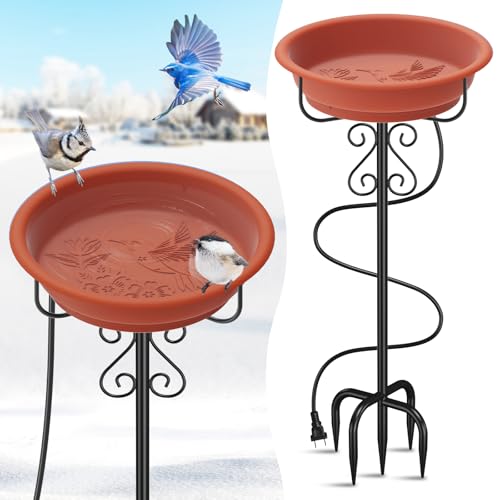

As an Amazon Associate we earn from qualifying purchases at no extra cost to you.
Safety first: electrical and outdoor setup
A heated bird bath is an electrical appliance used outdoors in wet, cold conditions, so the setup matters as much as the model. Sources agree on using a ground-fault circuit interrupter (GFCI) outdoor outlet, which cuts power quickly if moisture reaches the connection. If your outlet is not GFCI-protected, ask a licensed electrician to install or check one before you plug in a heater. Follow the manufacturer’s manual for cord, extension, and placement rules, since some models forbid extension cords.
Cord joints are a common weak point. One guide recommends a waterproof connector box rather than tape alone, and another notes that extension cords are not permanent wiring. Keep cords off the ground where snow or meltwater can pool, and replace any cord that is cracked, frayed, or warm to the touch. If the heater gets wet in a way the manual does not cover, unplug it and check it before use.
The options compared
The table lists the heaters that appeared most consistently in the sources. Figures are as stated by makers and listings, and the notes column records where sources conflict.
| Model | Best for | Stated power | Stated cold rating | Limits to know |
|---|---|---|---|---|
| Farm Innovators C-50 cast aluminum de-icer | Existing bird baths and concrete basins | 150 W with a built-in thermostat; the heater cycles on and off as needed | Not stated in the sources; the thermostat’s switching temperature was not found | Warranty reported as one year on one listing and three years on another; some 150 W listings are a different plastic bath |
| K&H Super Ice Eliminator | Larger baths that need a stronger heater | 80 W with a built-in thermostat, submersible, 18-inch cord | Liquid water to about -20 F in most listings; one listing says -40 F | Retailer pages list a 3-year warranty and MET listing; check the label on your unit |
| API Heated Outdoor Bird Bath | Owners who want a single heated bath rather than a separate de-icer | Reported at 50 W on one review and 75 W on another | One review says 75 W prevents freezing to about -10 F; another says 60 W keeps water liquid to about -22 F | Power figures conflict between reviews; confirm wattage on the maker’s page |
Pick the right heater for your bath
| Pick this | If you need | Watch for |
|---|---|---|
| Farm Innovators C-50 | A 150 W de-icer for an existing cast or concrete bath | Confirm you are buying the cast aluminum model |
| K&H Super Ice Eliminator | An 80 W submersible heater with a long cord | Check the cold rating for your climate |
| API Heated Outdoor Bird Bath | A single heated bath rather than a separate de-icer | Confirm wattage and the maker’s cold rating |
Placement and water level
Submersible heaters need to stay under the water line to work correctly. One guide advises keeping the water level high enough that the heating element is never exposed to air, so top up the bath after rain or snowmelt. A metal-base model is often staked into soil, so it may not suit a deck or patio. Plastic baths are easier to clean but can be fragile in deep cold, so check the basin’s cold rating before you leave it outside.
Cold ratings and what they mean
The cold ratings in the sources do not agree. One review says a 75 W bath prevents freezing to about -10 F, while another says a 60 W model keeps water liquid to about -22 F. A K&H listing gives -20 F for the Super Ice Eliminator, but one source gives -40 F. These are maker or reviewer figures, not independent results, and they assume the heater is working and the outlet is live. In very cold northern climates, a higher wattage or a second heater may be needed, so compare the rating against your local lows rather than the figure alone.
Care, cleaning, and winter use
Keep the heater plugged in through the cold months when the maker says so, since one listing reports that K&H advises against unplugging the unit repeatedly. Clean the bath regularly and refill it with fresh water to reduce algae and bird waste. Remove the heater for storage only if the manual says to, and check the cord and connector each season. If the heater stops working, unplug it and consult the manual or an electrician before reconnecting.
Winter routine
Check the bath each morning during a cold snap. Look for ice around the heater, confirm the cord has not shifted, and make sure the water level still covers the heating element. A quick visual check takes a minute and catches most problems before they affect the birds.
Budget tiers by feature
The sources did not give consistent prices, so this guide sorts heaters by feature set. The entry tier is a basic de-icer with a thermostat, which suits a small bath in a mild climate. The middle tier adds a higher wattage or a longer cord, which suits larger baths and colder areas. The top tier is a combined bath and heater with a cold rating and certification stated by the maker, which suits owners who want one piece. Confirm certification on the unit’s label, since listings are not a substitute for the marking on the product.
Choosing the spot
Pick a spot near a power source you can protect, but far enough from the house wall to keep the cord run short and visible. Avoid placing the bath where meltwater from a roof or gutter can run into the outlet or the connector box. A bath near shrubs gives birds cover, while a bath in open ground is easier to check for ice. Choose the location before winter arrives, because moving a full bath in freezing weather is harder than it looks.
Alternatives worth comparing
If you do not want an electrical heater, a bird bath placed in a sunny spot may stay open longer on mild winter days, though it will still freeze in hard cold. Moving the bath to a sheltered area, or adding a floating ball to keep the surface agitated, can help reduce ice. Some owners also keep a second, shallow dish of water out for birds on very cold days. None of these replace a heater in a hard freeze, but they can reduce how often you need one.
Frequently Asked Questions
Is a heated bird bath safe to leave plugged in outdoors?
It can be, if the unit is rated for outdoor use, the outlet has GFCI protection, and the cord and connections are in good condition. Follow the manual for cord and extension rules. Have an electrician check the outlet if you are unsure about the wiring.
Can I use an extension cord with a bird bath heater?
Some models do not allow extension cords, so check the manual first. If an extension is permitted, use a cord rated for outdoor use and keep the connection in a waterproof box. Never run a cord under snow, through standing water, or across a walkway where it can be damaged.
How cold can a heated bird bath get before the water freezes?
The stated cold ratings range from about -10 F to -40 F depending on the model and source. The rating assumes the heater is working and the water stays above the element. Compare the rating with the lowest temperatures in your area and consider a higher wattage if your winters are severe.
Do I need to unplug the heater when the weather warms up?
Follow the maker’s advice for the model you own. One retailer listing says K&H recommends keeping the Super Ice Eliminator plugged in through winter, since repeated unplugging can wear the unit. Unplug and store the heater only if the manual says to.
Are birds safe near a heated bath?
The sources do not report safety problems for birds with properly installed heaters. Keep the cord out of reach and the bath clean so birds are not exposed to fouled water. If the heater is damaged or you notice sparks or a burning smell, unplug it at once and have it checked before use.
When should I call an electrician or a vet?
Call a licensed electrician if the outlet is not GFCI-protected, the cord is damaged, or the circuit trips when the heater is plugged in. Call a vet if a bird appears to have been burned or harmed by contact with the heater or the water. Stop using the heater until either professional has checked it.