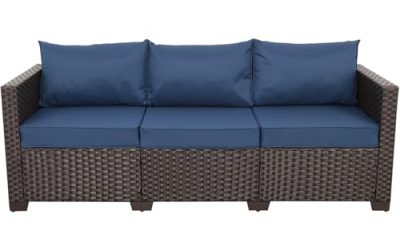
Key takeaways
- Fabric: dyes fade and fibers weaken, so cushions lose color and eventually tear at stress points.
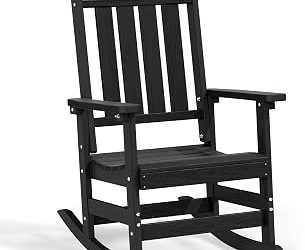
- Plastic and resin: the surface oxidizes, turning chalky, faded, and prone to cracking.
- Wood: the sun draws out natural oils, causing graying, splintering, and surface checking.
- Metal: powder coatings chalk and dull, and unprotected finishes can eventually flake.
Sunlight is what makes a patio worth having, but it is also slowly destroying the furniture sitting on it. Ultraviolet radiation breaks down the polymers in plastic, bleaches fabric, dries the oils out of wood, and chalks the finish on powder-coated metal. The damage is gradual, so most people do not notice until a cushion has gone from navy to dusty gray or a resin arm has turned brittle and pale.
Protecting your furniture from UV is far cheaper than replacing it, and it takes only a seasonal habit rather than constant effort. This guide explains how UV attacks each common material, which protectants and treatments actually work, and how to arrange your patio so the sun does the least harm.
Our top picks
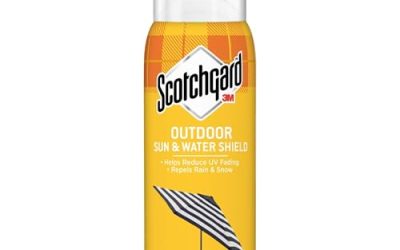
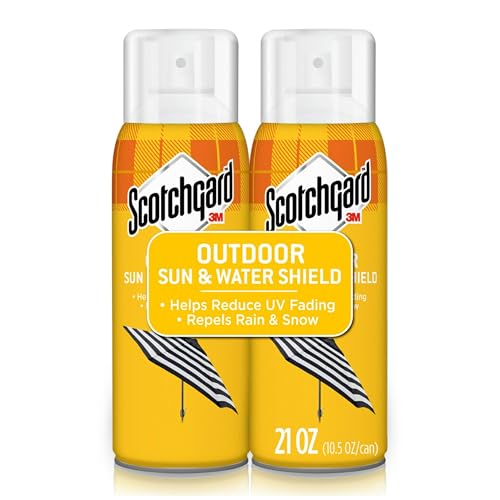
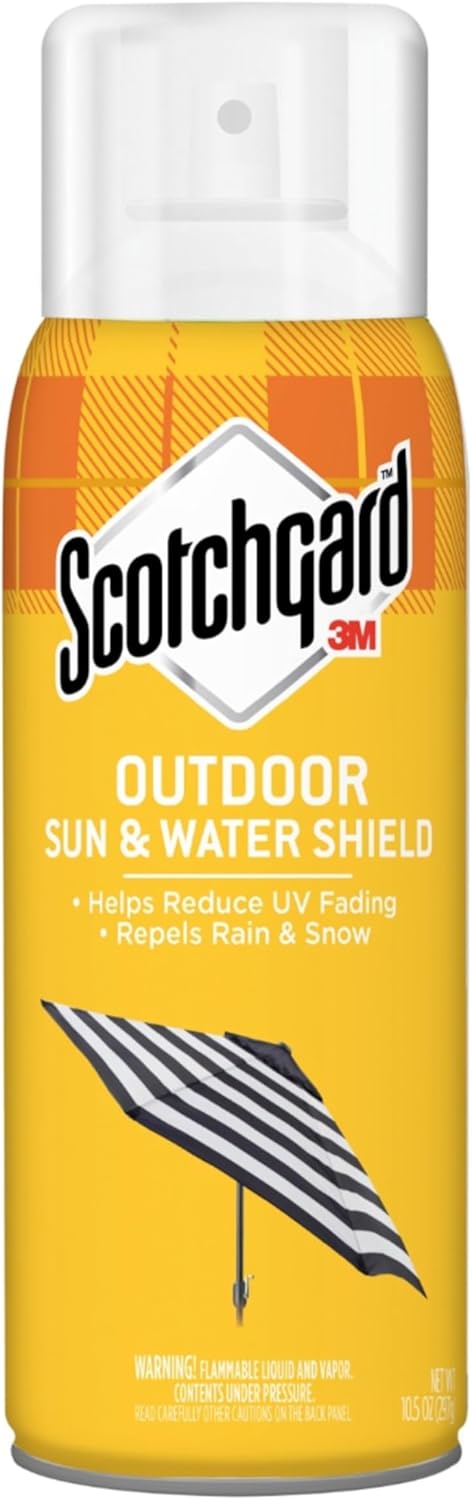 Scotchgard Outdoor Water & Sun Shield Fabric
- Item Form: Protector
- Scent: No
- Specific Uses For Product: Liquid & Stain Repellents
Dries completely clear with no lingering odor
Blocks both water and UV sun damage
Aerosol can applies evenly without extra tools
Single 10.5 oz can covers a limited amount of fabric
Needs reapplication over time as weather exposure continues



 Furniture Clinic Teak Oil
- Item Form: Liquid
- Scent: Unscented
- Specific Uses For Product: Wood


As an Amazon Associate we earn from qualifying purchases at no extra cost to you.
⚡ Save on Your Next PC — Amazon Prime
Prime members get fast free shipping on the systems above, plus early access to Prime Day & Black Friday PC deals. New members get a 30-day free trial.
Watch: How to Protect Your Outdoor Furniture from UV Rays — Video Review
How UV Damages Each Material
Understanding the mechanism helps you pick the right defense. UV energy is powerful enough to snap the chemical bonds that hold materials together, and different materials fail in different ways.
- Fabric: dyes fade and fibers weaken, so cushions lose color and eventually tear at stress points.
- Plastic and resin: the surface oxidizes, turning chalky, faded, and prone to cracking.
- Wood: the sun draws out natural oils, causing graying, splintering, and surface checking.
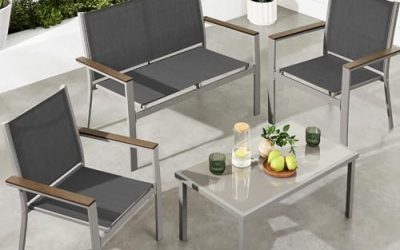
- Metal: powder coatings chalk and dull, and unprotected finishes can eventually flake.
Use the Right Protectant for Fabric
Fabric takes the most visible beating, so treat it first. A water-and-sun repellent such as Scotchgard Outdoor Water & Sun Shield adds a UV-resistant barrier while also making the fabric shed water, which fends off mildew. For a dedicated fade-blocker across mixed surfaces, SUNGUARD UV Protectant Spray is formulated to prevent the fading, peeling, and cracking that ruins cushions and decor. Reapply every one to two months during peak sun for best results.
Protect Wood With Oil, Not Just Spray
Wood needs its lost oils replaced, not just a surface film. A penetrating treatment like Furniture Clinic Teak Oil soaks in to restore moisture and leaves a natural matte finish that resists graying, while plant-based options such as Smart BioHemp Protectant seal against both water and UV for roughly 75 to 100 square feet of coverage per quart. Clean and dry the wood first so the oil can absorb evenly.
Cover, Shade, and Rotate
The most effective UV protection is simply blocking the light. Combine treatments with smart habits so no single piece bakes all day.
- Use breathable furniture covers when the patio sits unused for days at a time.
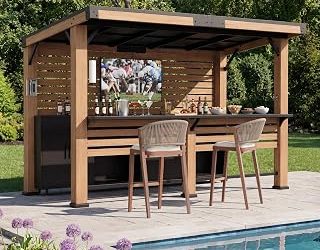
- Add a market umbrella, pergola, or shade sail over the seating zone.
- Rotate or rearrange pieces occasionally so the same surfaces are not always sun-facing.
Clean Before You Protect
Any protectant works better on a clean surface. A quick wipe with a multipurpose product like Parker & Bailey Patio Furniture Cleaner, which includes a UV protectant of its own, removes the grime and salt that would otherwise get sealed in. Always let everything dry fully before applying oils or repellent sprays.
Tips
- Set a phone reminder to reapply fabric protectant on the first of every month through summer.
- Choose solution-dyed acrylic fabrics when buying new cushions, as the color runs through the fiber and resists fading far longer.
- Apply sprays on a still, dry day so overspray does not drift and coverage stays even.
- Store the most delicate items in the shade or indoors during the highest-UV weeks of midsummer.
Frequently Asked Questions
How often should I reapply UV protectant spray?
Most sprays last four to eight weeks under heavy sun. Reapply monthly during peak summer and after any deep cleaning, since washing removes much of the previous coat.
Does UV protectant really stop fading?
It slows fading dramatically rather than stopping it completely. A quality protectant blocks a large share of UV, so treated fabric and plastic can look fresh for years longer than untreated pieces exposed to the same sun.
Can I use car UV protectant on patio furniture?
Automotive vinyl and trim protectants can work on plastic and metal, but they are not ideal for outdoor fabric or wood. Products made specifically for patio use are formulated for those materials and for prolonged weather exposure.
What color furniture holds up best in the sun?
Lighter and mid-tone colors show fading far less than deep, saturated shades like navy, black, or red, which have more dye to lose. Solution-dyed fabrics in any color outperform surface-dyed ones.
Conclusion
UV damage is inevitable, but its pace is entirely in your hands. Match the treatment to the material, repellent spray for fabric, penetrating oil for wood, and a protectant plus shade for plastic and metal, then reapply on a simple monthly rhythm through summer. A few dollars of spray and a shady umbrella will keep your patio looking new long after untreated furniture next door has gone gray.