Key takeaways
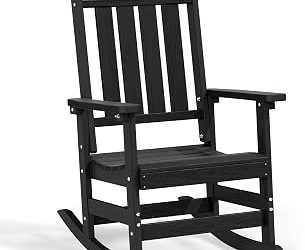
- Prioritize rustproof frames: Aluminum and HDPE resist the constant moisture that rusts steel and rots untreated wood.
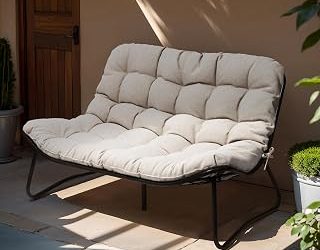
- Choose quick-drying cushions: Open-cell foam wrapped in water-repellent covers resists the mildew that thrives in humidity.
- Look for all-weather PE rattan: Synthetic wicker sheds water and will not swell or mold like natural fibers.
- Elevate and ventilate: Feet that lift the frame off wet decking prevent standing-water damage.
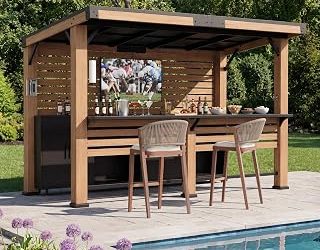
The single biggest mistake outdoor furniture buyers make is ignoring their climate. A gorgeous conversation set that thrives in mild coastal California can warp, fade, or rust within two seasons in a humid Gulf state or a freeze-thaw northern winter. Matching materials and construction to your local weather is what separates furniture that lasts a decade from furniture you replace every few years.
This guide breaks down how sun, rain, humidity, salt air, and cold each attack outdoor furniture, and which frame materials, fabrics, and features hold up best in your conditions. Whether you face relentless UV, monsoon rains, or icy winters, choosing the right set from the start saves you money and frustration.
Our top picks




As an Amazon Associate we earn from qualifying purchases at no extra cost to you.
⚡ Save on Your Next PC — Amazon Prime
Prime members get fast free shipping on the systems above, plus early access to Prime Day & Black Friday PC deals. New members get a 30-day free trial.
Watch: How to Choose an Outdoor Furniture Set Based on Your Climate — Video Review
Hot, Sunny, and Dry Climates
In high-UV regions like the Southwest, fading and material breakdown are your enemies. Solution-dyed fabrics such as textilene and olefin resist bleaching far better than cheap polyester, and powder-coated aluminum frames will not overheat or corrode. Avoid dark metals that scorch bare skin, and prioritize UV-stabilized resin wicker over untreated plastics that grow brittle under constant sun.
Wet, Humid, and Rainy Climates
- Prioritize rustproof frames: Aluminum and HDPE resist the constant moisture that rusts steel and rots untreated wood.
- Choose quick-drying cushions: Open-cell foam wrapped in water-repellent covers resists the mildew that thrives in humidity.
- Look for all-weather PE rattan: Synthetic wicker sheds water and will not swell or mold like natural fibers.
- Elevate and ventilate: Feet that lift the frame off wet decking prevent standing-water damage.
Coastal and Salt-Air Climates
Salt air is brutally corrosive. Marine-grade aluminum and HDPE poly-lumber are the safest bets because they simply do not corrode. If you love the look of metal, insist on high-quality powder coating and rinse the set with fresh water regularly. Stainless hardware is worth the premium, since standard steel screws can weep rust stains across a whole frame within a season near the ocean.
Cold, Freeze-Thaw Climates
Northern winters punish furniture through repeated freezing and thawing that cracks brittle plastics and loosens joints. Choose flexible, impact-resistant HDPE or sturdy aluminum, and avoid glass tabletops that can crack in extreme cold. The smartest move in these climates is buying furniture that stores or covers easily, then bringing cushions indoors over winter to double the set’s lifespan.
Matching Sets to Conditions
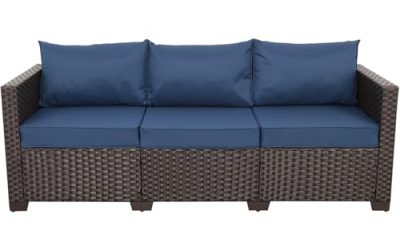
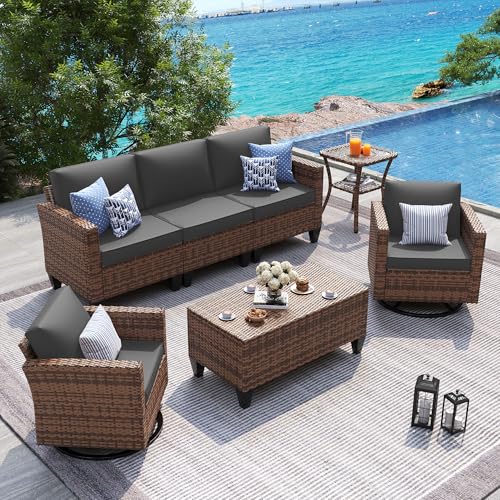
For most mixed climates, an all-weather PE rattan or textilene conversation set on an aluminum or steel frame with waterproof-covered cushions is the safest all-around choice. Steel frames add stability and value but demand quality coatings in wet or coastal areas. Wicker sofa sets with removable, machine-friendly covers give you the easiest seasonal maintenance wherever you live.
Tips
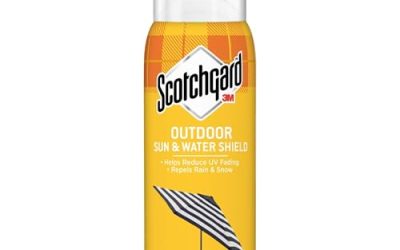
- Buy covers with the set: A fitted furniture cover is the cheapest insurance against sun and rain damage.
- Check the fabric spec, not the photo: Solution-dyed olefin or textilene beats generic polyester for fade resistance.
- Store cushions indoors off-season: Foam and fabric last far longer out of the elements.
- Confirm frame material before buying: Aluminum for corrosion resistance, steel for stability, HDPE for zero maintenance.
Frequently Asked Questions
What is the most weatherproof outdoor furniture material?
HDPE recycled-plastic lumber and marine-grade aluminum top the list. Both resist rust, rot, UV, and moisture with almost no maintenance, making them ideal for harsh climates.
Is steel or aluminum better for a rainy climate?
Aluminum, because it does not rust. Steel is heavier and more stable but needs excellent powder coating and prompt touch-ups to survive constant moisture without corroding.
Can I leave outdoor furniture out all year?
All-weather materials can stay out, but covering the set and storing cushions indoors greatly extends its life, especially through freeze-thaw winters and salt-air coasts.
What fabric resists fading best?
Solution-dyed fabrics like olefin and textilene, where color runs through the fiber. They hold up far better under intense UV than surface-printed polyester.
Conclusion
The best outdoor furniture set is the one built for your specific weather. Prioritize UV-stable fabrics in sunny regions, rustproof aluminum or HDPE in wet and coastal areas, and impact-resistant, storable pieces in freezing climates. Read material specs instead of trusting product photos, add a cover, and your set will look great and last for many seasons no matter what the sky throws at it.