Key takeaways
- Full sun, 6+ hours a day, hot climate: solution-dyed acrylic (Sunbrella, Outdura, Perennials, Tempotest, Agora class).
- Full sun but covered or screened porch: solution-dyed olefin is usually enough.
- Part sun, rarely wet: water-resistant polyester with UV treatment, accepting a shorter life.
- Salt air, pool decks, coastal: marine-grade solution-dyed acrylic with quick-dry foam.
For full sun, the most fade-resistant outdoor cushions are covered in solution-dyed acrylic: Sunbrella is the benchmark fabric, Outdura carries the longest published fade warranty at 10 years, and Perennials and Tempotest are strong alternatives. If you want a ready-made cushion on a tighter budget, choose a solution-dyed olefin pad such as the Sunbrella Solstice olefin chair pads, or a water-resistant polyester set such as SUNROX DryFast or IASEAHK for shaded and part-sun spots. The one rule that matters most: color that is built into the fiber outlasts color that is printed or dyed onto the surface.
Our top picks


As an Amazon Associate we earn from qualifying purchases at no extra cost to you.
Quick answer: match the fabric to your sun exposure
- Full sun, 6+ hours a day, hot climate: solution-dyed acrylic (Sunbrella, Outdura, Perennials, Tempotest, Agora class).
- Full sun but covered or screened porch: solution-dyed olefin is usually enough.
- Part sun, rarely wet: water-resistant polyester with UV treatment, accepting a shorter life.
- Salt air, pool decks, coastal: marine-grade solution-dyed acrylic with quick-dry foam.
How we chose
This guide is research-based, not a product test. We compared fabric-maker warranty terms, retailer fabric guides and cushion listings, and weighted these criteria: how the color is applied (solution-dyed versus piece-dyed), published fade warranty length, cushion construction (foam, drainage, cover seams), and what a buyer actually gets in a ready-made set. Warranty terms and fabric collections change, so confirm the current terms with the maker or seller before ordering. Where a spec could not be verified, we describe the fabric class instead of a number.
Solution-dyed acrylic vs olefin vs polyester
Solution-dyed acrylic
In solution dyeing, pigment is added to the liquid polymer before the fiber is spun, so the color runs all the way through each strand rather than sitting on the outside. Cutting a thread shows the same color at the core. This is why solution-dyed acrylic holds its color under intense UV and repeated cleaning. Sunbrella, made by Glen Raven, is the best-known example; others include Outdura, Perennials and Tempotest. Quality acrylic fabric typically lasts five to ten years outdoors.
Solution-dyed olefin
Olefin (polypropylene) is also solution-dyed and resists fading, stains and mildew well. Sources disagree on how closely it matches acrylic; it performs well but generally does not outclass the top acrylics. It is stiffer to the hand, tends to hold oily stains more than acrylic, and is more sensitive to heat, so it is a better choice where it is not constantly baking on a south-facing deck. Reputable makers typically offer a three- to five-year fade warranty on olefin.
Polyester
Standard polyester is usually piece-dyed or printed, meaning color sits near the surface. It is the least expensive class and can look great in the first season, then soften in color within one or two summers in full sun. UV-treated polyester improves things, but it does not match solution-dyed fibers. Choose it for shade, covered spaces or when you plan to replace covers every couple of seasons.
Comparison table: fabrics
| Fabric class | How color is applied | Published fade warranty (as reported) | Typical outdoor life | Best exposure |
|---|---|---|---|---|
| Sunbrella (solution-dyed acrylic) | Pigment in the fiber | 5-year limited, upholstery fabrics | 5 to 10 years | Full sun, coastal |
| Outdura (solution-dyed acrylic) | Pigment in the fiber | 10-year limited | 5 to 10 years | Full sun, hot climate |
| Perennials (solution-dyed) | Pigment in the fiber | 5-year no-fade | 5 to 10 years | Full sun |
| Tempotest Home (solution-dyed acrylic) | Pigment in the fiber | 6-year | 5 to 10 years | Full sun |
| Solution-dyed olefin | Pigment in the fiber | Typically 3 to 5 years | 3 to 7 years | Covered or part sun |
| Piece-dyed polyester | Surface dye or print | Often none or short | 1 to 3 seasons in full sun | Shade, covered |
The warranty column reports what retailers and fabric guides state for these collections. Warranties usually cover colorfastness under UV, not abrasion, staining from improper care or damage from incompatible cleaners.
What UV ratings and warranties actually mean
Fabric marketing often mentions a “UV rating” or “UPF”. Those numbers describe how much UV passes through a fabric, which matters for sun protection, not for how long the dye survives. For fade performance, rely on two things instead: the dyeing method (solution-dyed or not) and a written colorfastness warranty with a stated number of years. Read these points in the terms:
- What is measured. Some warranties define fade by a lab standard (a color-change threshold after hours of accelerated UV). Others are vague. Prefer defined terms.
- What is excluded. Bleach, wrong cleaners, mildew, and abrasion are usually excluded.
- Who honors it. A fabric maker warranty applies to the fabric, but a cushion seller may have a separate policy. Check both.
- Proration. Some warranties reduce the benefit year by year.
The picks
1. Sunbrella solution-dyed acrylic cushions
Spec line: solution-dyed acrylic · Glen Raven · 5-year limited warranty on upholstery fabrics (reported) · mildew and stain-resistant finish class · cleans with mild soap and water
Best for: hot, sunny decks, coastal patios and anyone who wants the most proven fade performance.
Skip if: you want the lowest upfront cost; custom or branded cushions sit in the premium tier.
- Pros: deep color retention, wide color range, easy care.
- Cons: premium price tier; the fabric cannot save you from poor foam that stays wet.
2. Outdura solution-dyed acrylic cushions
Spec line: solution-dyed acrylic · 10-year limited warranty (reported) · softer hand class
Best for: long-term buyers who want the longest published fade coverage in the acrylic class.
Skip if: you want the broadest ready-made cushion availability; custom orders are more common than shelf stock.
- Pros: longest warranty term in this group; strong UV performance class.
- Cons: fewer off-the-shelf sets; warranty terms vary by collection.
3. Perennials solution-dyed cushions
Spec line: solution-dyed performance fabric · 5-year no-fade warranty (reported) · textured, home-decor look
Best for: homeowners who want an indoor-style texture outside while keeping fade resistance.
Skip if: your seating is near a pool and constantly wet; check cleaning guidance first.
- Pros: upscale textures; fade warranty class.
- Cons: premium pricing; limited ready-made cushion sets.
4. Tempotest Home solution-dyed acrylic cushions
Spec line: solution-dyed acrylic · 6-year warranty (reported) · European fabric maker
Best for: people who prefer an acrylic with a mid-length warranty and varied patterns.
Skip if: you need a very specific brand match to your existing set.
- Pros: a credible alternative with a longer warranty than Sunbrella’s five years.
- Cons: smaller US cushion availability.
5. Agora solution-dyed acrylic cushions
Spec line: solution-dyed acrylic · positioned as a close alternative to Sunbrella · warranty varies by collection
Best for: shoppers who find the leading brand too costly yet still want acrylic.
Skip if: you need a specific written warranty term; verify it per collection.
- Pros: acrylic fiber class at a lower tier.
- Cons: warranty and color range vary; check current terms.
6. Sunbrella Solstice olefin chair pads
Spec line: 18 x 18 x 2.5 in · memory foam core · waterfall edge · solution-dyed olefin cover as listed by one retailer
Best for: covered porches and dining sets that want a shelf-ready, fade-resistant pad.
Skip if: your chairs sit in all-day sun and rain; foam and cover class fit a lighter exposure.
- Pros: ready-made, known fabric brand, dries relatively quickly according to buyer feedback.
- Cons: olefin class, not acrylic; confirm the specific cover fabric on the listing.
7. SUNROX DryFast Foam outdoor chair cushions
Spec line: 19 x 19 x 3 in · set of 4 · DryFast quick-dry foam · DryMesh drainage · cream color as commonly listed
Best for: budget-conscious part-sun spots that need foam which drains quickly after rain.
Skip if: your chairs get hot, direct sun most of the day; the cover is polyester class, not solution-dyed acrylic.
- Pros: drainage design, four-pack value, practical for wet climates.
- Cons: expect softening in color after several full-sun summers.
8. IASEAHK 19 x 19 x 3 outdoor chair cushions
Spec line: 19 x 19 x 3 in · set of 4 · water-resistant Oxford fabric · 30D high-density foam · ties · carry handle
Best for: shaded patios and covered decks where a budget set is enough.
Skip if: you want a fade warranty written down; none is a standard feature in this class.
- Pros: ties, carry handle for easy storage, four-piece set.
- Cons: Oxford polyester class, so fading is likely in full sun over time.
Worked example: which option costs less per year in full sun?
Cheaper cushions often cost more over time. Use a simple cost-per-year check with relative cost units instead of exact prices.
- Set a cost index. Let a budget polyester set cost 1.0 unit and a solution-dyed acrylic set cost 2.5 units.
- Estimate life in your exposure. In hot full sun, the polyester set might look tired after two seasons, while the acrylic set typically lasts five to ten years.
- Divide. Polyester: 1.0 / 2 = 0.50 units per year. Acrylic at a conservative five years: 2.5 / 5 = 0.50 units per year; at seven years: 2.5 / 7 = about 0.36 units per year.
- Add hidden costs. Replacing cushions twice more means twice more shipping, disposal and time, and color-matching a new batch to the old one rarely works.
The result: at roughly a 2.5x price gap, acrylic breaks even with polyester at five years and wins beyond that. In shade, where polyester might last four or five seasons, the cheaper set wins. Your exposure decides it.
Fabric is only half the story: foam, seams and thread
- Foam: look for open-cell or quick-dry foam in wet climates so water drains instead of sitting inside the cover. Trapped moisture drives mildew regardless of fabric.
- Thread: fade-resistant fabric sewn with ordinary polyester thread can fail at the seams first. Look for UV-resistant thread, usually a solution-dyed or PTFE-class thread.
- Seams and zippers: zippers should be rust-proof and covered. Piping edges wear first in strong sun.
- Cover removal: a removable cover lets you wash it and replace foam later, extending the life of the whole cushion.
Hot, sunny climate checklist
- Choose solution-dyed acrylic if the cushion sees more than about six hours of direct sun.
- Choose light to mid-tone colors; dark navy, black and deep red absorb heat and show faded streaks sooner.
- Prefer quick-dry foam with a mesh drainage layer.
- Rotate cushions between seats so one side does not take all the UV.
- Store cushions in a deck box or indoors during storms and the off-season.
- Clean with mild soap and water; avoid bleach, which can strip color and void warranties.
Care that protects the fade warranty
Most solution-dyed fabrics clean with a soft brush and a mild soap solution; rinse well and air dry. Many makers permit a diluted bleach solution on certain acrylics for mildew, but only follow the maker’s own instructions. Pressure washers can fray fibers and force water into the foam. Do not machine dry covers unless the care tag says so. Keep records of purchase and photos of the cushion’s original color, since a warranty claim needs proof of fade rather than ordinary dirt.
Common mistakes
- Buying by color photo only. Dark colors fade visibly sooner. Check the fabric class, not the swatch.
- Assuming “water-resistant” means “fade-resistant”. They are separate properties.
- Ignoring the foam. A premium fabric over foam that stays soggy will mildew.
- Leaving cushions out all winter. Even good fabric benefits from storage.
How to read a cushion listing for fade clues
Product titles rarely say how the fabric is dyed, so read the description for specific phrases. “Solution-dyed” or “dope-dyed” is the strongest signal. A named fabric brand with a written warranty is the next best. Vague phrases such as “UV-resistant coating” or “fade-proof” without a fabric name describe a surface treatment that wears off. Check the cover material line, ask the seller for the fabric name if it is missing, and compare the cushion’s stated warranty with the fabric maker’s own terms. When a listing offers no fabric information at all, assume entry-level polyester and plan accordingly.
Frequently asked questions
What is the most fade-resistant outdoor cushion fabric?
Solution-dyed acrylic, such as Sunbrella, Outdura, Perennials and Tempotest, is the most fade-resistant class. Color runs through the whole fiber.
Solution-dyed olefin is a close second for covered or less intense exposure.
Is Sunbrella better than olefin?
For full, direct sun, acrylic like Sunbrella generally lasts longer and handles heat better. Olefin resists fading too but is typically a mid-tier choice.
Olefin makes sense on covered porches where cost matters.
How long do fade-resistant outdoor cushions last?
Quality solution-dyed fabric typically lasts five to ten years. Cheap piece-dyed polyester can fade within a season or two in full sun.
Foam usually wears out before premium fabric does, so plan replacement foam too.
Do fade warranties cover everything?
No. They usually cover colorfastness under UV only, not abrasion, stains, mildew from poor care or damage from the wrong cleaners.
Read the terms for exclusions and keep proof of purchase.
Do dark cushions fade faster than light ones?
Dark colors show fading more clearly and absorb more heat, so they look worse sooner even in good fabric.
Mid-tones and light neutrals hide fade best in strong sun.
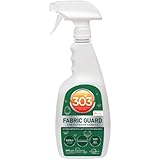
Can I protect regular cushions with a UV spray?
UV sprays can slow surface fading slightly, but they do not replicate solution-dyed color and must be reapplied often.
They are a stopgap, not a substitute for a fade-resistant fabric.
Should I cover cushions when not in use?
Yes. Storing cushions in a deck box or under a fitted cover limits UV hours and moisture, extending fabric and foam life.
Even the best fabric lasts longer when it is out of the sun overnight and in the off-season.
What matters more for sunny climates, fabric or foam?
Both matter. Fabric controls fading, while quick-dry foam controls mildew and sagging after rain.
Pair solution-dyed fabric with open-cell, quick-drying foam for the best result.