Key takeaways
- Cedar is the classic choice: naturally rot-resistant, good looking and easy to repair, but board thickness varies a lot between brands.
- Galvanized steel beds are deep and cheap per cubic foot of soil, but check the metal gauge and edge protection before you buy.
- Resin and vinyl beds never rot and are light; they suit renters and anyone who dislikes upkeep.
- Elevated beds on legs save your back, but they hold less soil and dry out faster, so plan for more watering.
- Always calculate soil volume first: length times width times depth in feet gives cubic feet, and a 4 by 8 ft bed 17.5 inches deep takes close to 47 cubic feet.
The best raised garden beds for most gardeners are cedar boxes if you want a natural look and long wood life, galvanized steel if you want a deep, low-maintenance bed that will not rot, and resin or vinyl if you want something that needs no sealing or painting at all. The deciding numbers are depth, how much soil it takes to fill and whether you can reach the middle without bending.
Our top picks
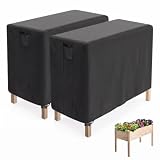
 Cedar Raised Garden Bed with Legs
- Elevate Your Garden - Opt for a brilliantly…
- Premier Cedar Construction - Experience the wonders of…
- Durability Meets Simplicity - Crafted for strength, this…
| Product | Key specs | |
|---|---|---|
| Cedar Raised Garden Bed with Legs | Elevate Your Garden - Opt for a brilliantly… Premier Cedar Construction - Experience the wonders of… Durability Meets Simplicity - Crafted for strength, this… | Check price |
 Infinite Cedar Select Cedar Raised Garden Bed | Check price | |
 MUPATER 4x2FT Cedar Raised Garden Bed | Check price | |
 Greenes Fence Classic Cedar Raised Garden Bed | 🪵 Solid American Cedar: Crafted from untreated 100%… 🧩 Tool-Free Dovetail Assembly: Greenes Fence signature dovetail… 🌱 10.5 in | Check price |
As an Amazon Associate we earn from qualifying purchases at no extra cost to you.
Key takeaways
- Cedar is the classic choice: naturally rot-resistant, good looking and easy to repair, but board thickness varies a lot between brands.
- Galvanized steel beds are deep and cheap per cubic foot of soil, but check the metal gauge and edge protection before you buy.
- Resin and vinyl beds never rot and are light; they suit renters and anyone who dislikes upkeep.
- Elevated beds on legs save your back, but they hold less soil and dry out faster, so plan for more watering.
- Always calculate soil volume first: length times width times depth in feet gives cubic feet, and a 4 by 8 ft bed 17.5 inches deep takes close to 47 cubic feet.
Best Raised Garden Beds Compared by Material and Size
| Pick | Material | Listed size | Best for |
|---|---|---|---|
| Greenes Fence Premium Cedar Raised Garden Bed | Cedar, 3/4 in. thick | 4 x 8 ft, 17.5 in. high | Best overall cedar |
| Infinite Cedar Select Cedar Raised Garden Bed | Cedar | 2 x 8 ft, 14 in. high | Long, narrow spaces along a fence |
| Greenes Fence Classic Cedar Raised Garden Bed | Cedar, 1/2 in. thick | 2 x 4 ft, 10.5 in. high | Beginners and small patios |
| Land Guard Galvanized Raised Garden Bed Kit, 2-pack | Galvanized steel | 8 x 4 x 2 ft each | Deep soil on a budget |
| Keter Wood Look Raised Garden Bed | Resin | 48 x 48 in. | Low-maintenance square bed |
| Yardbliss Galvanized Raised Bed with Legs | Galvanized steel, elevated | 48 x 26 x 30 in., 1,200 lb load listed | Standing-height gardening |
| PASAMIC Vinyl Raised Garden Bed | Vinyl | 8 x 4 x 1 ft | No-rust, no-rot long bed |
1. Greenes Fence Premium Cedar Raised Garden Bed: Best Overall Cedar Bed
- Greenes Fence Premium Cedar Raised Garden Bed, 4 ft x 8 ft x 17.5 in. (3/4 in. thick)
- North American cedar · made in the USA per the listing · 3/4 in. boards
- Soil volume about 47 cubic feet at full depth
Best for: vegetable gardens where you want a durable wood bed with enough depth for tomatoes, peppers and root crops. Skip if: you want a bed you can leave without any maintenance or if you must keep the weight low.
The 3/4-inch board thickness is a real advantage. Thin cedar boards bow when the soil swells after rain, while thicker boards hold their shape and last longer. A 4-foot width is the standard that lets you reach the centre from either side without stepping in, and 17.5 inches is deep enough for most vegetables. The tradeoff is price and the soil volume, which is substantial.
Pros: thick boards; standard 4 ft width; good depth; natural rot resistance of cedar. Cons: higher cost than thin boards; needs a lot of soil; cedar will weather to grey unless you finish it.
2. Infinite Cedar Select Cedar Raised Garden Bed: Best Long, Narrow Cedar Bed
- Infinite Cedar Select Cedar Raised Garden Bed, 2 ft x 8 ft x 14 in.
- Cedar · 2 ft wide, 8 ft long, 14 in. high as listed
- Soil volume about 19 cubic feet at full depth
Best for: a strip along a fence, a driveway edge or a patio, where a 4 ft wide bed will not fit. Skip if: you want a large block of growing space in a single bed.
At 2 feet wide you can reach every plant from one side, which suits trellised beans, tomatoes against a wall or a dedicated herb strip. Because it is shallow compared with the 17.5-inch bed above, plan crops accordingly: lettuce, herbs, bush beans, peppers and bush tomatoes do fine, while long carrots and parsnips want more room.
Pros: fits narrow spots; easy reach; uses less soil; a good match for trellis planting. Cons: less depth for deep-rooted crops; smaller planting area; limited sizes in this line.
3. Greenes Fence Classic Cedar Raised Garden Bed: Best Raised Garden Bed for Beginners
- Greenes Fence Classic Cedar Raised Garden Bed, 2 ft x 4 ft x 10.5 in. (1/2 in. thick)
- North American cedar · made in the USA per the listing
- Soil volume about 7 cubic feet at full depth
Best for: a first bed for salad greens, herbs or a few tomato plants. Skip if: you want to grow root vegetables or a lot of produce.
A small bed is a good way to learn how much watering, weeding and feeding a raised bed takes. The 1/2-inch boards are thinner than the premium model, so this suits light use and a small soil volume. At about 7 cubic feet of soil, it is a manageable weekend setup and a good test of whether you like the routine before you build bigger.
Pros: low soil need; easy assembly; good starter size; cedar construction. Cons: thin boards; shallow depth; limited planting area.
4. Land Guard Galvanized Raised Garden Bed Kit: Best Galvanized Raised Garden Beds for Depth and Value
- Land Guard 2 Pack 8 x 4 x 2 ft Galvanized Raised Garden Bed Kit
- Galvanized steel panels · 2 ft deep as listed · check the listing for bottom design
- Soil volume about 64 cubic feet per bed at full depth
Best for: large vegetable plots and root crops where deep soil matters and wood costs too much. Skip if: you want a natural look or plan to fill it with a small amount of soil.
Galvanized steel is a long-standing choice for raised beds because it will not rot and it holds a straight line. A 2-foot depth supports carrots, potatoes and big tomatoes, and metal panels are cheap compared with the equivalent cedar boards. Garden extension guidance generally treats galvanized steel as acceptable for vegetable beds, since the zinc coating is stable in normal soil, but check the product description. Watch the cut edges for sharp corners and look for rolled or capped edges.
Pros: deep; no rot; cost-effective per cubic foot; includes two beds. Cons: large soil volume to fill; metal can feel hot in summer sun at the edges; sharp edges if not capped.
5. Keter Wood Look Raised Garden Bed: Best Resin Bed for Low Maintenance
- Keter 48 x 48 in. Wood Look Raised Garden Bed
- Durable resin · wood look finish · 48 by 48 in. as listed
- Check the listing for depth and drainage details
Best for: small yards and patios where you want something square, tidy and no-maintenance. Skip if: you want deep root-vegetable soil or need a customised size.
Resin planters will not rot, rust or need sealing, and they do not need painting. They also hold heat differently than metal, so soil may stay slightly more stable. The wood look is a styling choice, not a performance one. Because wall thickness and depth vary, check the listing carefully before assuming it is as deep as a metal or wooden bed.
Pros: no rot or rust; tidy appearance; easy to clean; fairly light. Cons: limited depth; fixed size; less rigid than steel when full of wet soil.
6. Yardbliss Galvanized Raised Bed with Legs: Best Elevated Raised Garden Bed
- Yardbliss Large Galvanized Raised Garden Bed with Legs
- 48 x 26 x 30 in. · 1,200 lb load capacity as listed
- Galvanized steel with legs
Best for: gardeners who struggle with bending, or patios and decks where you want waist-high planting. Skip if: you want deep soil for root crops, since elevated beds hold less than a full-depth bed on the ground.
The 30-inch height puts the planting surface within easy reach. Because the planting area is smaller than the outer size suggests, treat it like a large planter: shallow-rooted greens, herbs, strawberries and compact tomatoes do better than long carrots. Elevated beds drain and dry faster, so use a good potting mix and check moisture often. If you set it on a deck, check the load capacity of both the bed and the surface.
Pros: saves bending; good drainage; no rot; works on patios. Cons: dries out faster; limited soil depth; must be fully assembled and level.
7. PASAMIC Vinyl Raised Garden Bed: Best Maintenance-Free Long Bed
- PASAMIC 8 x 4 x 1 ft Vinyl Raised Garden Bed
- Vinyl · listed as maintenance-free, never rust or rot
- Soil volume about 32 cubic feet at full depth
Best for: a long, simple bed that you can install quickly and forget. Skip if: you want a thick, wood or steel look or need a deep bed.
A 1-foot depth is enough for lettuce, herbs, bush beans, peppers and most flowers. Vinyl panels snap together and resist moisture, which makes them practical for damp climates where wood would take a beating. If you grow root crops, consider stacking or adding depth, or choose a deeper steel bed instead.
Pros: no rot or rust; large growing area; quick assembly; light to move. Cons: shallow; can flex when full of wet soil; plastic can fade in strong sun over time.
Also Consider
- SoliWood Cedar Elevated Raised Garden Bed, 48 x 24 x 30 in.: a cedar bed on legs for people who want elevated planting with a wood look.
- Maple99 Cedar Raised Garden Bed with Legs, 48 x 24 x 30: another cedar elevated option, listed with a 200 lb capacity.
- Keter Splendor 31.7 Gallon Self-Watering Raised Garden Bed: a compact resin planter-style bed with a self-watering planter box and drainage plug as listed.
- Vego garden Elevated Raised Garden Bed, 2 x 4 ft: a metal elevated bed with a storage rack, listed with a high weight capacity.
How We Chose These Raised Garden Beds
We did not personally use these beds. The picks are based on current retail listing text, manufacturer descriptions and general raised bed guidance from garden extension services. We looked for widely sold models with clear sizes, honest material descriptions and a mix of cedar, galvanized steel, resin, vinyl and elevated designs. We limited each brand to two models and left out renewed items, odd bundles and generic kits with unclear specs. Sizes and capacities are maker claims, so check the listing for the version you buy.
Soil Volume: How Much It Takes to Fill Each Bed
| Bed | Size | Cubic feet of soil | About cubic yards |
|---|---|---|---|
| Greenes Fence Premium Cedar | 4 x 8 ft x 17.5 in. | 47 | 1.7 |
| Infinite Cedar Select | 2 x 8 ft x 14 in. | 19 | 0.7 |
| Greenes Fence Classic Cedar | 2 x 4 ft x 10.5 in. | 7 | 0.26 |
| Land Guard Galvanized (each) | 8 x 4 x 2 ft | 64 | 2.4 |
| PASAMIC Vinyl | 8 x 4 x 1 ft | 32 | 1.2 |
Fill the bottom of deep beds with logs, branches or coarse wood chips (a hugelkultur-style base) to reduce the amount of purchased soil, then top with a mix of topsoil and compost. A common rule of thumb is about 60 percent topsoil and 40 percent compost, adjusted for your local soil. Beds settle over the first season, so keep a few bags back to top up.
Buying Guide: How to Choose a Raised Garden Bed
Start with the plants and the depth
Match depth to the crop. About 6 to 8 inches suits lettuce, herbs and strawberries. About 10 to 12 inches suits most vegetables, including peppers and bush beans. About 15 to 18 inches or more helps tomatoes, carrots and potatoes. If your native ground is loose, an open-bottom bed lets roots go deeper than the walls.
Choose the width for reach
Beds up to about 4 feet wide let you reach the centre from either side without stepping on the soil. Against a wall or fence, 2 to 3 feet is better because you only reach from one side. Length is flexible; 8 feet is common.
Cedar versus galvanized versus resin
- Cedar: good looks and natural rot resistance. Board thickness matters; 3/4-inch or thicker holds shape better than 1/2-inch. Expect weathering to grey unless you reseal it.
- Galvanized steel: deep, strong, rot-free and usually the best value per cubic foot of soil. Check for rolled edges and the steel gauge.
- Resin and vinyl: maintenance-free and light, but usually shallower and less rigid.
Elevated versus ground-level
Elevated beds with legs reduce bending and keep rabbits and slugs at bay, but they hold less soil, dry out faster and weigh a lot when full. Ground-level beds are cheaper and easier to fill deeply.
Liner and drainage
Place landscape fabric or cardboard under an open-bottom bed to slow weeds, and add a liner against metal or wood only if you want to extend wood life. If the bed has a bottom, make sure it has drainage holes. Avoid pressure-treated wood choices unless the product states it is safe for vegetable gardens.
Assembly and level ground
Use a level and a few shims. A bed on a slope will push soil to one end and stress the corners. For wood and steel kits, hand-tighten first, check the squareness and then finish tightening.
Sun and location
Most vegetables want six to eight hours of direct sun. Place the long side east to west if you grow tall crops, so tall plants do not shade smaller ones. Keep a hose within reach.
Decision Matrix: Match Your Situation to a Bed
| Your situation | Best material | Size to look for | Watch out for |
|---|---|---|---|
| First vegetable garden, flat lawn | Cedar | 4 x 8 ft, 12 to 18 in. deep | Thin boards bowing under wet soil |
| Rocky or compacted ground | Galvanized steel | 24 in. deep, open bottom | Sharp panel edges |
| Renter or patio | Resin or elevated steel | Under 30 in. wide, with drainage | Weight limits on decks and balconies |
| Bad back or knees | Elevated bed on legs | 30 in. high, 24 in. wide | Faster drying, shallow soil |
| Wet, shady climate | Steel, vinyl or resin | Any, with drainage | Wood rotting early |
| Narrow strip by a fence | Cedar or steel | 2 ft wide, 8 ft long | Needs trellis support for tall crops |
What Wears First and What to Budget for After the Purchase
- Cedar: corners and the boards that sit on the ground weather first. Raising the bed on a thin bed of gravel and keeping soil from piling against the top edge slows rot.
- Galvanized steel: the cut edges and the fasteners are the weak spots. Check bolts after the first season as the soil settles.
- Resin and vinyl: sun fade and flex under wet soil. Keep them level and brace long beds with corner stakes if the maker supplies them.
- All beds: budget for soil, compost, a hose or drip line and mulch. Soil is often the largest cost, which is why the cubic feet table above matters more than the headline price of the frame.
- Refill: beds sink by an inch or two as soil settles and organic matter breaks down, so top up with compost every year or two.
Common Mistakes When Setting Up a Raised Bed
- Building it on a slope without leveling, which pushes soil and water to one end.
- Filling with cheap fill soil that compacts. Use a blend of topsoil and compost with a coarse component for drainage.
- Planting too closely. Follow the spacing on each seed packet, since crowded beds invite disease.
- Ignoring access. Leave at least 2 feet between beds for a wheelbarrow and your knees.
- Choosing a bed first and the crops second. Decide the plants and depth, then buy the frame.
Frequently Asked Questions
What is the best material for a raised garden bed?
Cedar is the classic natural choice, galvanized steel gives depth and durability with minimal upkeep, and resin or vinyl is the lowest-maintenance option. The best fit depends on your budget, climate and the plants you want to grow.
Is galvanized steel safe for vegetable gardens?
Garden extension guidance generally treats galvanized steel raised beds as acceptable for vegetables, since the zinc coating is stable in normal soil conditions. If you are concerned, line the inside with a food-safe liner and check the manufacturer’s statement.
How deep should a raised garden bed be?
Six to 8 inches works for greens and herbs, 10 to 12 inches for most vegetables and 15 to 18 inches for deep-rooted crops. If the bed has an open bottom, roots can reach below the bed walls.
How long does a cedar raised bed last?
It depends on thickness, climate and how wet the soil stays. Cedar resists rot naturally, and many owners get a good number of seasons from thicker boards, but thin boards in wet climates wear out sooner. Check the maker’s guidance.
Do raised beds need a bottom?
Not for in-ground placement. An open bottom lets roots and worms move up and down. Beds on patios or decks need a bottom and drainage holes, and elevated beds on legs need a solid base to hold the soil.
Are elevated raised garden beds worth it?
They are worth it if bending is difficult or you garden on a patio. The soil depth is shallower and drying is faster, so choose crops that do well in smaller volumes and plan to water more often.
Which One Should You Buy?
- Classic vegetable garden: Greenes Fence Premium Cedar Raised Garden Bed, 4 x 8 ft.
- Narrow strip beside a fence: Infinite Cedar Select 2 x 8 ft.
- First bed or tiny patio: Greenes Fence Classic Cedar 2 x 4 ft.
- Deep soil on a budget: Land Guard Galvanized Raised Garden Bed Kit.
- Tidy, no-maintenance square: Keter Wood Look Raised Garden Bed.
- Waist-high gardening: Yardbliss Galvanized Raised Bed with Legs.
- Long and low with no upkeep: PASAMIC Vinyl Raised Garden Bed.
Sources
- Greenes Fence and Infinite Cedar product listings
- Land Guard, Yardbliss and PASAMIC listing text
- Keter product information
- University extension guidance on raised bed construction, soil mixes and galvanized steel in vegetable gardens
Last updated: November 2026
FAQ
What is the best material for a raised garden bed?
Is galvanized steel safe for vegetable gardens?
How deep should a raised garden bed be?
How long does a cedar raised bed last?
Do raised beds need a bottom?
Are elevated raised garden beds worth it?
More from Amazon
Programs that pair well with the guide above. Offers and eligibility are set by Amazon and may change.
Collect the home and kitchen items you want in one registry that guests can shop from.
Create a wedding registrySet up recurring deliveries of everyday items on eligible products. Terms and savings are set by Amazon.
Explore Subscribe & SaveFree shipping on eligible items, Prime Video and more. Eligible new members can start with a free trial.
Start a Prime free trialAudiobooks and podcasts to listen to on the go. Eligible new members can start with a free trial.
Try Audible freeAs an Amazon Associate we earn from qualifying purchases.