Key takeaways
- The best garden cloches shield seedlings from frost, wind, and hungry pests. Compare five glass, plastic, and wire domes and pick the right cover.
A garden cloche is a small dome that sits over a single plant or a small cluster, holding in warmth and keeping wind, frost, and hungry animals off tender growth. The word comes from the French for bell, and the original Victorian cloche was a hand-blown glass dome. Modern versions use clear plastic, wire mesh, or glass to buy a seedling a few extra weeks each season.
The five cloches below cover the main ways gardeners use them, from a cheap plastic bell that warms a row of seedlings to a heavy glass dome for a single prized plant.
As an Amazon Associate, we earn from qualifying purchases.
Quick Answer
For most gardeners, the MorTime 6-pack is the safest first pick: a compact plastic bell with ground pegs and labels for young seedlings. Gardeners covering a wide bed should look at the 20-pack Tessco domes, while anyone fighting rabbits and birds should choose the Geosar wire cloches. The Park Hill glass bell suits one specimen plant in a sheltered spot.
MorTime 6-Pack Plastic Garden Cloche

The MorTime set is the simplest way to try cloches. Six clear plastic bells arrive with 18 metal securing pegs and 10 plant labels, enough for a short row of seedlings. Each bell measures 7.3 inches across and 6.9 inches tall, a size that fits lettuce, young brassicas, and small herbs.
Plastic is the practical choice for a first cloche. It is light enough to lift with one hand, it will not shatter if it tips over, and it lets in enough light for young plants to keep growing. The pegs matter more than they look: an unpinned cloche becomes a sail in the first strong gust, and these metal pegs hold the rim against the soil. The small size is the limit, though. A 7.3-inch bell will not cover a bushy tomato plant or a spreading squash seedling, and the thin plastic will not hold off a hard frost on a very cold night.
Specs
| Spec | Detail |
|---|---|
| Material | Plastic |
| Size per cloche | 7.3 in diameter x 6.9 in high |
| Pack count | 6 domes |
| Included | 18 metal securing pegs, 10 plant labels |
| Brand | MorTime |
| Manufacturer | MorTime |
Tessco 20-Pack Plastic Humidity Dome

The Tessco set suits gardeners who want to cover a whole bed at once. Twenty clear PVC domes, each 10.2 inches across and 8.3 inches tall, give a seedling room to grow for several weeks. The domes are sold by Getoweals and ship from Amazon.
The wider footprint is the real difference from the MorTime bells. A 10.2-inch dome covers a larger plant and leaves more air inside, which slows the temperature swing on a sunny day and keeps leaves from touching the plastic, where they can chill and mark. The domes are reusable, so the same set can serve a second sowing. A 20-pack takes up real storage space between seasons, and the light PVC still needs a peg or a soil mound to stay put in wind.
Specs
| Spec | Detail |
|---|---|
| Material | PVC plastic |
| Size per cloche | 10.2 in diameter x 8.3 in high |
| Pack count | 20 domes |
| Included | Ground securing pegs |
| Brand | Tessco |
| Model | Tessco-Plastic Humidity-763 |
jixsloft 30-Pack Vented Garden Cloche

The jixsloft set is the bulk buy for gardeners who plant in volume. Thirty green translucent PVC bells, each 7.56 inches across and 9.18 inches tall, cover a long row for less per dome than the smaller packs. The standout feature is the rotary vent cover on top: twist it open for air, or close it to hold in warmth on a cold night.
Ventilation is the detail most first-time buyers overlook. A sealed dome on a sunny spring afternoon can cook a seedling, and a vent lets the gardener manage that without lifting the whole cover off. The taller 9.18-inch height also suits fast-growing plants such as young peppers or bush beans, which outgrow a short bell in a week. Two honest limits come with this set. The bells are green translucent rather than fully clear, so slightly less light reaches the plant, and ground stakes are not included, so the gardener needs to press a small soil clod beside each bell or buy stakes separately.
Specs
| Spec | Detail |
|---|---|
| Material | PVC plastic |
| Size per cloche | 7.56 in diameter x 9.18 in high |
| Pack count | 30 domes |
| Vent | Rotary vent cover |
| Color | Green translucent |
| Brand | jixsloft |
Geosar 30-Pack Chicken Wire Cloche

The Geosar set is a different kind of cloche. Thirty black metal wire domes, each about 9 inches tall, form a physical barrier against rabbits, birds, chickens, and other small animals. The wire is PVC-coated metal, and the pack includes 60 U-shaped garden stakes, two per dome, to pin each cage into the soil.
Wire cloches do not trap warmth the way solid plastic domes do. Air flows straight through the mesh, so they give no frost protection and no greenhouse effect. What they do give is season-long pest protection without the overheating risk of a sealed dome, which makes them the right pick where animals are the main threat rather than cold. The open mesh has its own limits: slugs and small insects pass through the wire, so it will not stop every pest, and the listing gives the height at about 9 inches but does not state the top diameter in the excerpt seen, so measure the base against the plant before ordering.
Specs
| Spec | Detail |
|---|---|
| Material | Metal with PVC coating |
| Size per cloche | About 9 in high |
| Pack count | 30 domes |
| Included | 60 U-shaped garden stakes, about 3.94 x 1.18 in each |
| Color | Black |
| Brand | Geosar |
| Manufacturer part number | GT-Geosar-319667 |
Park Hill Glass Cloche Bell Jar
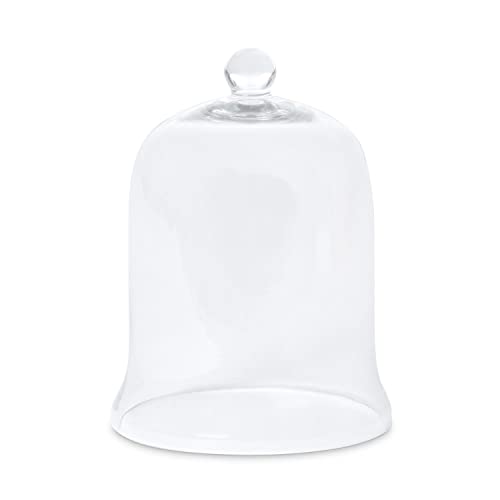
The Park Hill bell jar is the traditional glass cloche, and it is the premium pick here for a reason. A single clear glass dome, 9 inches wide and 12.5 inches tall, model ECL82072, holds heat better than any plastic dome and shows the plant inside without lifting the cover. Glass transmits light almost as well as open air, and the weight of the dome keeps it seated on calm days.
Glass suits one specimen plant rather than a row. A single courgette, a tender aubergine, or a cluster of basil through a late frost is the right job for this dome, and it looks at home in a formal kitchen garden in a way plastic never will. It is sold as a plant terrarium and centerpiece display dome, and its Product information lists indoor and outdoor usage as indoor, so it is best used in a sheltered spot rather than an exposed windy bed. Glass is heavy and fragile, it has no vent, and a smaller 7.5-inch by 11-inch version, model ECL82068, is a separate listing with its own code.
Specs
| Spec | Detail |
|---|---|
| Material | Glass |
| Size | 9 in wide x 9 in deep x 12.5 in high |
| Pack count | 1 dome |
| Model | ECL82072 |
| UPC | 848963041377 |
| Brand | Park Hill Collection |
How to choose
Measure the plant first, not the cloche. Measure it at its widest point and add an inch or two of air on every side, because leaves pressed against a cold dome can chill and mark. A seedling that doubles in size within two weeks needs a taller dome.
Match the material to the threat. Solid plastic domes trap warmth and block wind, which is what frost protection needs. Wire cloches stop animals but give no warmth, so they suit a patch where rabbits are the problem and frost is not. Glass holds heat best and looks best, but it is heavy, fragile, and costly per plant, so it suits one specimen rather than a row.
Check the vent situation before buying. A sealed dome in direct sun can overheat a seedling fast, so a rotary vent is worth having if the cloche will sit in full sun. If the dome has no vent, plan to lift it off on warm afternoons and replace it before nightfall.
Count the pack against the bed. Cloches are sold in packs from one to fifty, and the cost per dome drops sharply with pack size. A gardener covering a single row of lettuce needs far fewer domes than one planting three beds of brassicas, so buy the pack that matches the planting plan. Finally, plan the anchoring: light plastic domes blow away unless pinned with pegs or a soil mound.
Who should skip
Gardeners with large established plants should skip individual cloches entirely. A bushy tomato, a sprawling squash, or a mature shrub will not fit under a 10-inch dome, and a row cover is the right tool for that job.
Anyone gardening in a hot climate with no frost risk may not need a cloche at all. A wire cage or a simple mesh cover gives the same animal protection without the heat buildup of a sealed dome.
Gardeners who cannot check their plants daily should avoid sealed glass or plastic domes in full sun. A dome left closed through a hot afternoon can damage a seedling faster than a cold night would, and a vented or wire cloche is safer when the garden is visited only on weekends.
Frequently Asked Questions
Do garden cloches protect against frost?
Yes, solid plastic and glass cloches protect against light frost by trapping warm air around the plant and blocking cold wind. They raise the temperature inside the dome by a few degrees, often enough to save a seedling on a night just below freezing. They will not protect against a hard freeze, and wire cloches give no frost protection at all.
How long can a cloche stay on a plant?
A cloche can stay on a seedling for several weeks while the plant is small, as long as it is vented or lifted on warm days. Once the plant touches the sides or the top of the dome, the cover should come off, because crowded leaves trap moisture and invite disease. Most gardeners remove cloches once the last frost date has passed.
Do cloches need ventilation?
Yes, ventilation matters on any sunny day. A sealed dome in direct sun can heat up fast enough to wilt a seedling, even when the air outside feels cool. Vented cloches handle this well. For domes without a vent, lift the cover off during the warmest part of the day and replace it before evening.
Can I use a cloche for seeds sown indoors?
A cloche works well for hardening off indoor seedlings before they move outside for good. Place the dome over the seedling for a few hours a day at first, then leave it on longer as the plant adjusts. This gradual step protects young plants from the shock of moving from a windowsill to an open bed.
Final verdict
For most gardeners, the MorTime 6-pack is the best first choice: small, cheap, and supplied with the pegs and labels a first cloche user needs. Gardeners covering a wide bed should step up to the 20-pack Tessco domes, and anyone planting in volume will get the best value from the vented jixsloft 30-pack. Where animals are the main threat, the Geosar wire cloches solve that problem without overheating the plant. The Park Hill glass bell is the right choice for one specimen plant in a sheltered spot. Match the dome to the plant and the threat, pin it down, and vent it on sunny days.
FAQ
Do garden cloches protect against frost?
How long can a cloche stay on a plant?
Do cloches need ventilation?
Can I use a cloche for seeds sown indoors?
More from Amazon
Programs that pair well with the guide above. Offers and eligibility are set by Amazon and may change.
Collect the home and kitchen items you want in one registry that guests can shop from.
Create a wedding registrySet up recurring deliveries of everyday items on eligible products. Terms and savings are set by Amazon.
Explore Subscribe & SaveFree shipping on eligible items, Prime Video and more. Eligible new members can start with a free trial.
Start a Prime free trialAudiobooks and podcasts to listen to on the go. Eligible new members can start with a free trial.
Try Audible freeAs an Amazon Associate we earn from qualifying purchases.