Spending a morning turning soil, pulling weeds, or hauling compost means your feet take a beating from damp ground, uneven terrain, and chemical splashes. The best garden clogs for 2026 protect against all of that while keeping you comfortable through several hours of standing and bending.
Where clogs fall short is usually in three areas: materials that crack after one season, soles that lose grip when wet, and footbeds that flatten under weight. A well-built garden clog manages moisture, supports the arch, and survives repeated exposure to fertilizers and mud without degrading. We compared published specs, current pricing, and aggregated owner feedback across eight popular models to sort the keepers from the disappointments.
Our top picks




As an Amazon Associate we earn from qualifying purchases at no extra cost to you.
Quick Picks
| Product | Best For | Price |
|---|---|---|
| Bigant Clogs | Low-budget all-day wear | $15.97 |
| Beslip Garden Clogs | Budget arch support | $15.29 |
| NITTI Arch Support (Light Brown) | Mid-range comfort and support | $22.99 |
| Amoji AM161 | Wet and muddy conditions | $27.99 |
| Crocs Bistro Work Clogs | Professional and multi-use settings | $44.95 |
| TOTES Bailey Clog | Garden-to-street style crossover | $42.00 |
| NITTI Arch Support (Black) | Arch support with a neutral look | $25.99 |
| Sloggers Original | Heavy rain and deep mud | $36.99 |
How We Picked
We filtered this category through four criteria that separate functional garden footwear from generic slip-ons. First, material durability: the clog must resist cracking from UV exposure, oils, and garden chemicals without turning brittle in a single season. Second, footbed and arch support quality, since garden work involves prolonged standing on compacted soil and hard surfaces. Third, sole traction and drainage design, because wet grass, mud, and hosed-down patios are constant hazards. Fourth, overall value relative to build quality and expected lifespan, weighing owner-reported longevity against the sticker price.
The 8 Best Garden Clogs in 2026
Bigant Women Clogs
The Bigant clog delivers a cushioned footbed and slip-on convenience at an entry price that is hard to argue with. It suits casual gardeners who work in short sessions and want protection without a meaningful financial commitment. Owners appreciate how light it feels on the foot and how quickly it rinses clean after a morning of mulching. The closed-toe design shields feet from dropped debris better than open sandals. The main drawback is long-term durability of the footbed cushioning under daily heavy use, where some owners report flattening over months. Skip this if you log more than a few hours at a time in the garden or need all-season support that holds its shape through repeated exposure to heat and moisture.
Beslip Garden Clogs
Beslip earns a spot here because it packages medium arch support at nearly the lowest price in this roundup. It works well for gardeners with neutral-to-low arches who find completely flat clogs uncomfortable after an hour of weeding. The unisex sizing makes it a practical pick for households where one pair gets shared. Cushioning is adequate for moderate sessions, and the upper resists typical garden grime with a simple rinse. The limitation is that the arch support is moderate by design, so anyone with higher arch needs or plantar fasciitis will likely feel under-supported during long stints. Skip this if you require aggressive orthotic-level structure or plan to wear them on rocky or uneven terrain where more sole rigidity matters.
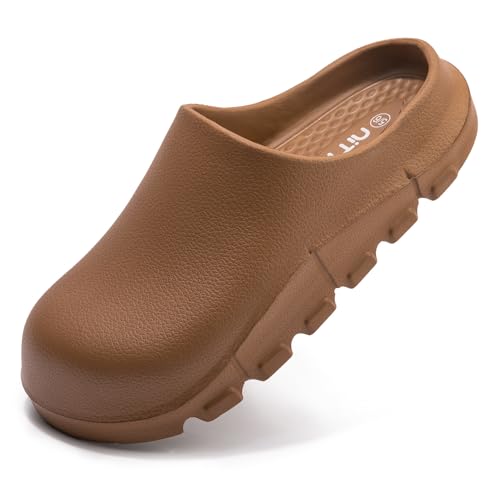
NITTI Arch Support (Light Brown)
NITTI’s light brown clog stands out for its explicit arch support at a mid-range price, making it a strong option for gardeners who already know they need structured footbeds. The contoured insole cradles the arch more deliberately than budget clogs, reducing the foot fatigue that accumulates during transplanting or bed-building sessions. Owners comment favorably on the colorway, which hides dirt better than white options while remaining versatile. The tradeoff is a slightly firmer overall feel compared to ultra-soft foam clogs, which some find less forgiving during the first few wearings. Skip this if you strongly prefer a pillow-soft footbed from the first step, or if you need a waterproof upper for standing in puddles for extended periods.
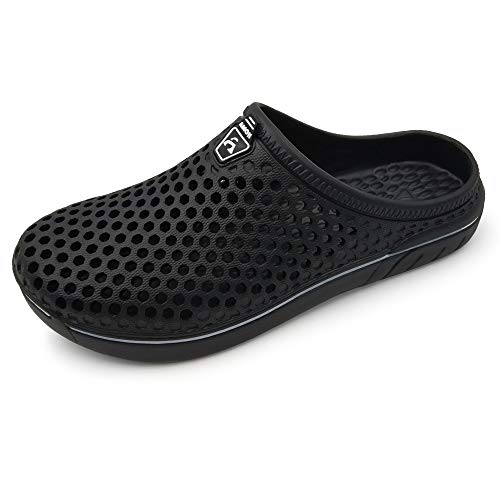
Amoji Garden Clogs
The Amoji AM161 is built for wet conditions and heavy mess. Its plastic-rubber construction makes it essentially impervious to water, mud, and fertilizer spills, and the drainage features help water shed quickly rather than pooling inside. For gardeners in rainy climates or those who work around hoses and irrigation, this clog handles abuse without absorbing odors. It is also one of the easier models to fully wash down. The drawback is that the rigid construction, while protective, can feel less cushioned than foam-based clogs over extended standing. Skip this if your priority is all-day comfort on dry ground or if you want a softer, more flexible feel underfoot during long sessions.
Crocs Bistro Work Clogs
Crocs Bistro occupies a different tier, designed originally for commercial kitchens but adopted by gardeners who want maximum slip resistance and a rugged, easy-to-clean upper. The closed design prevents debris from entering, and the sole compound is engineered for oily and wet surfaces, which translates well to damp patios and garden paths. Owners value the brand’s consistency and the Croslite cushioning, which holds up better than budget foam over months of use. At the top of this roundup’s price range, the value proposition depends on how much you need commercial-grade protection. Skip this if your budget is tight or if you simply want a lighter, more casual clog for occasional garden tasks without paying for slip-resistance specs you will not fully use.
TOTES Bailey Clog
The TOTES Bailey clog is the most style-conscious option here, working as a garden shoe that doubles for casual errands. Its waterproof rubber shell and modest heel make it practical for spring planting in damp soil while still looking put-together enough to wear beyond the garden gate. Owners like the versatility and the brand’s reputation for durable rain gear. The limitation is that the insole is relatively simple, so long wear sessions may reveal the tradeoff between style and dedicated garden ergonomics. Skip this if your primary need is hours of sustained garden work where arch structure and footbed depth matter more than appearance, or if you need maximum breathability in hot climates.
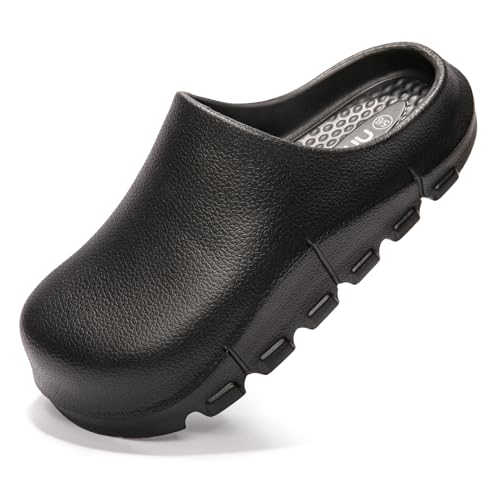
NITTI Arch Support (Black)
The black NITTI clog offers the same structured arch support as its light brown sibling with a more neutral, stain-hiding appearance. It appeals to gardeners who want functional support without a colorway that draws attention. The firm midsole keeps its shape through repeated cycles of moisture and sun, and the ventilation ports in the upper help with airflow during warm-season use. Some owners note the sizing runs slightly narrow, which can cause discomfort for wider feet without a break-in period. Skip this if you have notably wide feet or prefer a wider toe box, since the structured design does not stretch much over time.
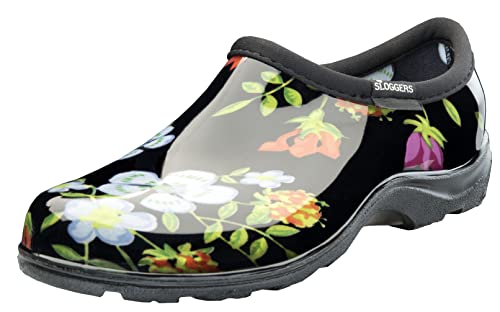
Sloggers Original Garden Shoe
Sloggers targets the toughest conditions in this category: deep mud, heavy rain, and standing water. The tall shaft and fully waterproof one-piece construction keep feet dry in ways lower-profile clogs cannot match, and the premium insole adds arch support that holds up through long workdays. Owners consistently rate durability as excellent, with many reporting years of use. The American-made construction adds a quality factor that some buyers specifically seek. The main downside is bulk and warmth; the high shaft can run hot in summer, and the overall weight is higher than foam-based clogs. Skip this if you garden in hot, dry climates and value lightweight breathability over full waterproof protection.
Buying Guide
Material Type Determines Lifespan
Garden clogs come in three main materials, and each has a clear tradeoff. EVA foam is the lightest and softest but degrades fastest under UV and repeated flexing. Plastic-rubber blends resist water and chemicals but feel firmer and run warmer. Injection-molded polyurethane or Croslite sits between these extremes, offering better durability and cushioning retention at a higher price. For your needs, prioritize chemical resistance if you handle fertilizers or pesticides regularly, and waterproof construction if you work in consistently wet soil.
Arch Support Is Not a Luxury
Hours spent bending and standing on compacted garden soil place sustained load on the plantar fascia. A clog with a defined arch contour reduces that strain meaningfully over a season. Medium support works for most foot types during moderate sessions, while higher arches or a history of foot pain justify a clog with a pronounced medial post. If the footbed looks flat and uniform, you are likely buying a generic slip-on dressed up as garden footwear.
Traction and Drainage Are Non-Negotiable
A wet sole on a smooth patio or muddy slope is the most common injury vector in garden work. Look for outsoles with multi-directional lugs or siping patterns designed for wet surfaces. Drainage ports in the upper or footbed prevent water from pooling inside, which causes blisters and accelerates material breakdown. If a clog looks sealed with no escape route for water, it will trap moisture against your skin after the first splash.
Our Verdict
For the best balance of support, durability, and value, the NITTI Arch Support in Light Brown edges out the field. It delivers structured comfort that holds up over a full season without the price premium of work-grade alternatives.
The budget pick goes to the Beslip Garden Clogs. At $15.29, it provides genuine medium arch support that no other clog in this price bracket matches, making it the smartest entry point for casual gardeners.
One condition changes the ranking: if you regularly work in heavy rain or standing mud, the Sloggers Original wins decisively. Its waterproof shaft construction is unmatched by any lower-profile clog on this list.
FAQ
Can garden clogs be worn inside the house?
Yes, most plastic and rubber garden clogs rinse clean easily and are suitable for indoor wear. Foam-based models absorb odors faster and are better left outdoors.
How do I know if a clog fits correctly for garden work?
There should be roughly a finger-width of space in front of your toes to allow for foot swelling during warm-weather sessions. Your heel should stay seated without excessive lifting when you walk on uneven ground.
Do garden clogs need to be broken in?
Foam clogs typically require no break-in period, while firmer plastic and rubber models may feel stiff for a few days before the sole softens slightly. Wear them around the house for short sessions first if you are sensitive to rigidity.
How should I store garden clogs between seasons?
Rinse and dry them fully, then store away from direct sunlight to slow UV degradation of the material. A cool, dry shelf prevents the footbed from developing mildew or losing its shape over time.