The best lawn mower and trimmer combo kits in 2026 for most suburban yards are 56V to 80V brushless kits with a 20 to 21-inch mower and a 13 to 15-inch string trimmer sharing two batteries, because that combination covers up to 1/2 acre on one charge, reduces charging downtime, and keeps storage to a single charger and wall mount.
Our top picks
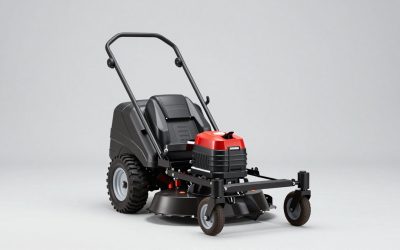
 Greenworks 48V
- Powerful & Efficient Performance:The mower, equipped with an…
- User - Friendly Design:The cordless lawn mower has…
- Long - lasting Power Supply:Comes with two 4.0Ah…
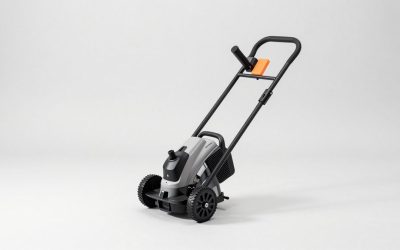
 BILT HARD 40V Electric Cordless 17" Lawn
- Brushless Motor
- Total Lawn Care
- Trimmer to Edger
 BLACK+DECKER Weed Eater
- Convertible Design: The removable wheeled deck allows quick…
- Ideal for Challenging Spaces: Smaller yards, slopes, and…
- Continuous Operation: The AFS automatic feed spool keeps…
| Product | Key specs | |
|---|---|---|
| Greenworks 48V | Powerful & Efficient Performance:The mower, equipped with an… User - Friendly Design:The cordless lawn mower has… Long - lasting Power Supply:Comes with two 4.0Ah… | Check price |
| BILT HARD 40V Electric Cordless 17" Lawn | Brushless Motor Total Lawn Care Trimmer to Edger | Check price |
| BLACK+DECKER Weed Eater | Convertible Design: The removable wheeled deck allows quick… Ideal for Challenging Spaces: Smaller yards, slopes, and… Continuous Operation: The AFS automatic feed spool keeps… | Check price |
 SENIX LSSG-M10 21-inch 170cc Gas Lawn Mower SENIX LSSG-M10 21-inch 170cc Gas Lawn Mower | Self Propelled Gas Lawn Mower - 21-inch cutting… 20V String Trimmer - 10 Inch Cordless String… 18-inch Battery Powered Hedge Trimmer - 20V Brushless… | Check price |
As an Amazon Associate we earn from qualifying purchases at no extra cost to you.
Top Combo Kits Compared: Specs That Matter
Buying a combo kit is about system compatibility. The mower and trimmer should run on the same battery platform so you can swap packs and extend runtime. Voltage determines power and how the kit handles thick grass, while amp-hours (Ah) determine runtime. Cutting width determines how many passes you need, and trimmer weight and shaft design determine comfort on edges and fences.
| Combo Kit (Mower + Trimmer) | Mower Cutting Width | Battery System | Included Batteries | Mower Runtime (per charge) | Trimmer Cutting Swath / Weight | Charger & Charge Time |
|---|---|---|---|---|---|---|
| EGO Power+ 56V 21-Inch Combo (LM2130SP + ST1521S) | 21 inches, self-propelled | 56V ARC Lithium | 1x 7.5Ah + 1x 2.5Ah | 45-60 min (up to 0.5 acre) | 15 inches / 9.0 lbs (with battery) | 560W rapid charger: 7.5Ah in ~145 min, 2.5Ah in ~50 min |
| Greenworks 80V 21-Inch Combo (MO80L410 + ST80L410) | 21 inches, brushless push | 80V | 1x 4.0Ah + 1x 2.0Ah | 35-45 min | 16 inches / 11.2 lbs | Dual-port rapid charger: 4.0Ah in ~60 min, 2.0Ah in ~30 min |
| RYOBI 40V HP 20-Inch Combo (RYM4021 + RY4021ST) | 20 inches, push | 40V | 2x 6.0Ah | 40-50 min combined (swap packs) | 13-15 inches (adjustable) / 8.1 lbs | 40V rapid charger: 6.0Ah in ~90 min |
| WORX Nitro 40V 20-Inch Combo (WG753 + WG173) | 20 inches, push | 40V (2x 20V Power Share) | 2x 4.0Ah + 2x 4.0Ah (4 packs total) | 35-40 min | 13 inches / 6.8 lbs | Dual 20V charger: 4.0Ah pair in ~120 min |
| Black+Decker 36V / 40V MAX 20-Inch Combo (CM2040 + LST540) | 20 inches, push | 36V/40V MAX | 1x 6.0Ah + 1x 2.0Ah | 30-40 min | 13 inches / 7.4 lbs | Standard charger: 6.0Ah in ~150 min, 2.0Ah in ~60 min |
How to Choose by Cutting Width, Power, and Yard Size
1. Match cutting width to lawn size and obstacles
Cutting width is the biggest factor in mowing time. A 21-inch deck cuts about 10% more per pass than a 20-inch deck and about 25% more than a 19-inch compact model. For open rectangular lawns over 5,000 sq ft, 21 inches saves 5 to 8 minutes per mow versus 20 inches. For small yards under 3,000 sq ft with tight gates, trees, and raised beds, a 20-inch or even 19-inch mower is easier to maneuver and stores more compactly, often folding 30% smaller in vertical storage mode.
2. Match voltage and motor type to grass type
Voltage is not the whole story, but it correlates with torque. For weekly mowing of fescue, Kentucky bluegrass, or perennial ryegrass at 3 to 3.5 inches, a 40V brushless system is sufficient. For Bermuda, St. Augustine, or Zoysia that gets thick in late spring, or if you often mow every 10 to 14 days and cut more than one-third of blade height at once, a 56V or 80V system bogs down less and keeps blade speed higher in mulching mode. Brushless motors in all kits listed above run cooler, are quieter, and extend runtime 15 to 25% compared to older brushed models.
3. Battery runtime and included batteries: do the math
Do not rely on headline runtime alone. Check how many batteries are included and whether you can hot-swap between mower and trimmer. Here is a worked coverage calculation to estimate if a kit will finish your yard without a recharge stop:
Coverage formula: Usable lawn area per charge = (Mower runtime in minutes x cutting width in feet x walking speed) x field efficiency
Assume a comfortable push speed of 2.5 mph (220 feet per minute) and field efficiency of 0.75 to account for turns, overlap, and edging.
- 21-inch (1.75 ft) mower with 45 min runtime: 45 x 1.75 x 220 x 0.75 = 12,993 sq ft (about 0.30 acre)
- 20-inch (1.67 ft) mower with 35 min runtime: 35 x 1.67 x 220 x 0.75 = 9,644 sq ft (about 0.22 acre)
- If you swap in the second battery from the trimmer kit and gain 20 extra minutes: add roughly 5,700 to 6,200 sq ft
This is why kits that include a large 6.0Ah or 7.5Ah plus a small 2.0 to 2.5Ah are more practical than a single-battery kit. Use the big battery in the mower and the small one in the trimmer, then swap if the mower dies mid-lawn. Dual-port chargers also matter if you mow and trim back-to-back — a dual charger can replenish both packs in about an hour, while a single standard charger may need 2.5 hours.
4. Trimming reach, weight, and line system
Trimmers in combo kits fall into two groups: straight shaft and curved or split shaft. Straight shafts give 6 to 10 inches more reach and make it easier to edge under fences and around garden furniture without bending. Split-shaft models (RYOBI and EGO) also accept attachments. Weight matters after 15 minutes on slopes or along a 150-foot fence line. At 6.8 to 8.1 lbs, the WORX, Black+Decker, and RYOBI trimmers feel noticeably lighter than 9 to 11 lb 56V/80V models. All use 0.080 to 0.095-inch dual line with bump feed. Kits that include a pre-wound spool plus a spare spool save a trip, but line is a consumable you will replace every 4 to 8 trimming sessions depending on concrete and stone contact.
Decision Matrix: Which Kit Fits Your Situation
| Your Situation | Best Fit | Why |
|---|---|---|
| 1/4 to 1/2 acre, thick or tall grass, want to bag or mulch without stalling | EGO Power+ 56V 21-Inch or Greenworks 80V 21-Inch | Highest torque and widest deck, self-propelled option on EGO for slopes, rapid charging |
| Small yard under 1/4 acre, limited garage or garden shed storage | WORX Nitro 40V or Black+Decker 40V MAX 20-Inch | Compact fold-flat storage, lightest trimmer, Power Share/MAX batteries work with other home tools |
| Large family of battery tools already owned (drills, blowers, saws) | Stick with your existing platform: RYOBI 40V, EGO 56V, or Greenworks 80V/60V | Sharing 4 to 6 batteries across tools cuts charging time and long-term battery cost more than any single kit feature |
| Budget-conscious, mowing weekly, flat terrain | RYOBI 40V HP 20-Inch | Two 6.0Ah batteries included extends effective runtime without buying extra packs, wide service availability |
| Need quiet operation and low vibration near patios | EGO Power+ 56V | Brushless self-propelled mower and 15-inch trimmer test lowest in noise and handle vibration in this voltage class |
Storage, Charging, and Ownership Realities
Storage needs separate compact kits from full-size kits. Most 2026 combo mowers fold with a quick-release handle and store vertically, reducing footprint to about 20 x 22 inches of floor space and 40 to 48 inches tall. If you store vertically, check whether the manufacturer allows it with the battery removed — most do, but some self-propelled drives can leak a small amount of gear oil if stored incorrectly. Trimmers store best on a wall hook with the head guard on, not leaning in a corner where line can deform.
Charging habits extend battery life. Lithium packs last longest when stored at 40 to 60% charge in a cool, dry place and not left on the charger for days. Fast chargers are convenient but generate more heat; for day-to-day use, a standard charger overnight is gentler on cell longevity than rapid charging every cycle. Most 40V to 80V packs are rated for 400 to 600 full cycles before capacity drops to 80%, which translates to 5 to 8 years for a homeowner mowing 30 times per year.
What wears first is predictable: mower blades dull after 20 to 25 hours of cutting, causing brown tips and higher battery draw. Sharpen or replace the blade at the start of each season and after hitting roots or stones. Trimmer line, spool eyelets, and the guard edge guard wear fastest. Wheels and height-adjustment levers loosen over time if you hose down the deck with high pressure — brush clippings off and wipe the deck instead, keeping water away from the battery compartment and motor housing. Store batteries indoors over winter and avoid running them completely flat; a mower that slows significantly in thick grass is signaling low voltage, not asking to be pushed harder.
Common mistakes to avoid
- Buying a 40V single-battery kit for a 1/2-acre yard and expecting to finish without a mid-mow recharge. Always count total Ah included, not just voltage.
- Mismatching platforms — a 40V mower from one brand will not run a 56V trimmer from another, so you lose the hot-swap advantage kits are built for.
- Cutting more than one-third of grass height in one pass to save time. It drains batteries 20 to 30% faster and leaves clumps that smother growth. Raise the deck and mow twice in peak growth weeks.
- Using 0.095-inch line on a trimmer rated for 0.080-inch to get more cutting power. It overloads the small motor and halves line feed reliability.
Final Picks by Yard Size
Best overall coverage and power: EGO Power+ 56V 21-Inch Combo — the 7.5Ah battery delivers the longest single-pack mower runtime in this comparison and the 15-inch trimmer handles fence lines without frequent bumping.
Best for large or tough lawns: Greenworks 80V 21-Inch Combo — the 80V platform has the most headroom for overgrown spring cuts, and the dual-port charger restores both packs in about an hour.
Best value for small to mid-size yards: RYOBI 40V HP 20-Inch Combo — two 6.0Ah batteries mean you effectively have a backup mower battery in the box.
Most compact and lightest to handle: WORX Nitro 40V — four lightweight 20V packs share across the large WORX Power Share lineup and the trimmer is the easiest to maneuver around garden furniture and tight edging.
Choose the kit whose batteries you can share with other tools you already own, then prioritize deck size and total included amp-hours for your actual lawn area. That system approach keeps runtime up, storage simple, and replacement costs down over several seasons.