A fire pit transforms a patio from a daytime spot into an all-evening destination, but before you buy one you face a fundamental fork in the road: natural gas or propane. Both burn cleanly, light instantly, and skip the smoke and ash of wood, yet they differ in installation, running cost, and portability in ways that matter for your specific yard. Choosing wrong can mean a permanent line you did not want or a tank you are forever refilling.
This guide clarifies the real differences between natural gas and propane fire pits, then rounds up five propane models that deliver warmth and ambiance without the commitment of a plumbed line. Below you will find a decision framework followed by our top picks for a cozy patio in 2026.
Our top picks
 OutVue 32 inch Propane Fire Pit Table
- [Durable Material] OutVue fire table are made with…
- [Enough Heat & Beautiful Flame]The fire pit table…
- [Easy to Use & Smokeless Flame]The fire pit…
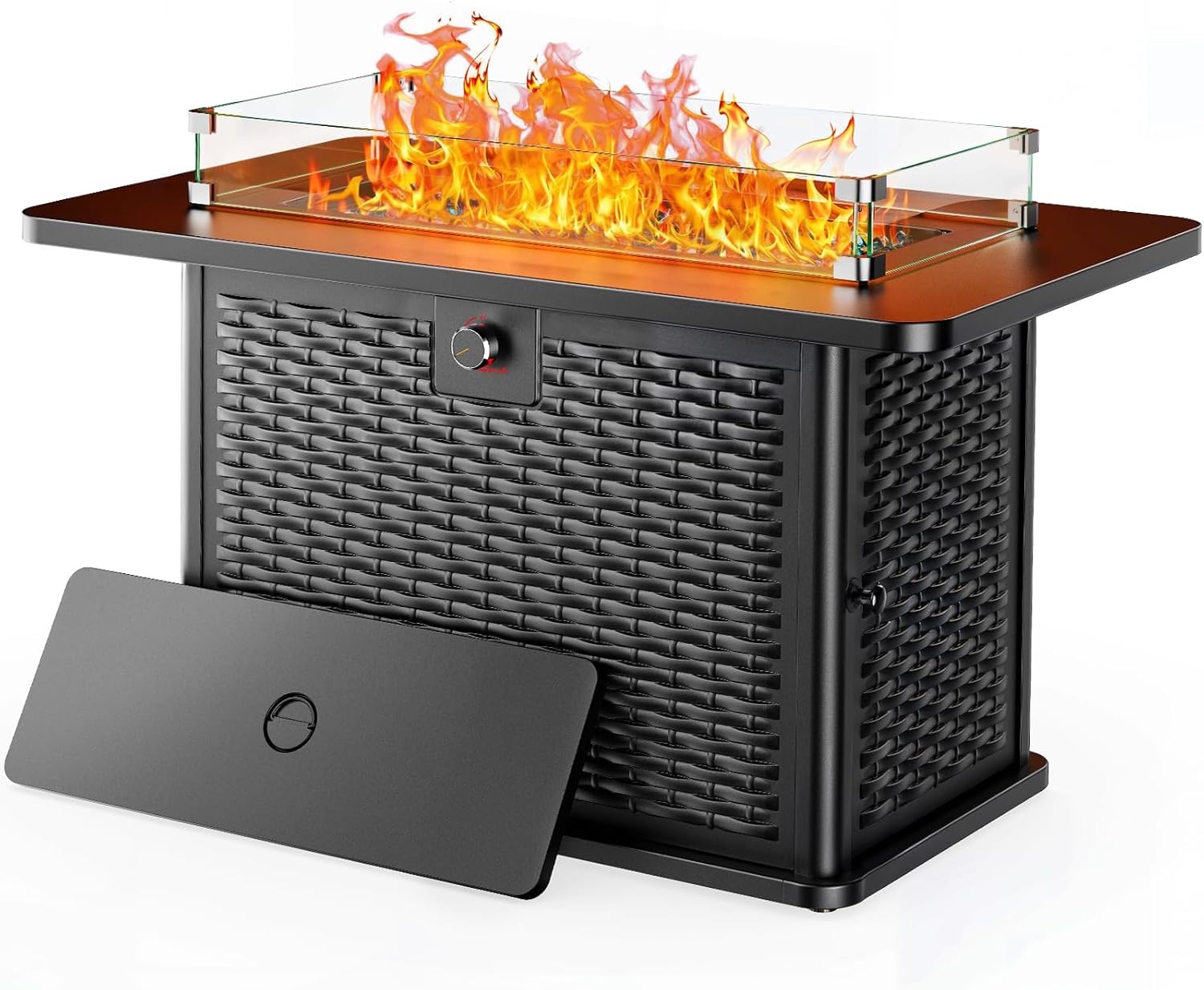 Ciays 43-Inch Rectangular Propane Fire Pit with
- Product Style: 43"-Rectangular With windshield
- Shape: Rectangular
- Material Type: Alloy Steel
| Product | Key specs | |
|---|---|---|
| OutVue 32 inch Propane Fire Pit Table | [Durable Material] OutVue fire table are made with… [Enough Heat & Beautiful Flame]The fire pit table… [Easy to Use & Smokeless Flame]The fire pit… | Check price |
 Ciays Propane Fire Pits 32 Inch Outdoor Ciays Propane Fire Pits 32 Inch Outdoor | Check price | |
| Ciays 43-Inch Rectangular Propane Fire Pit with | Product Style: 43"-Rectangular With windshield Shape: Rectangular Material Type: Alloy Steel | Check price |
 BALI OUTDOORS Propane Gas Fire Pit Table BALI OUTDOORS Propane Gas Fire Pit Table | Check price | |
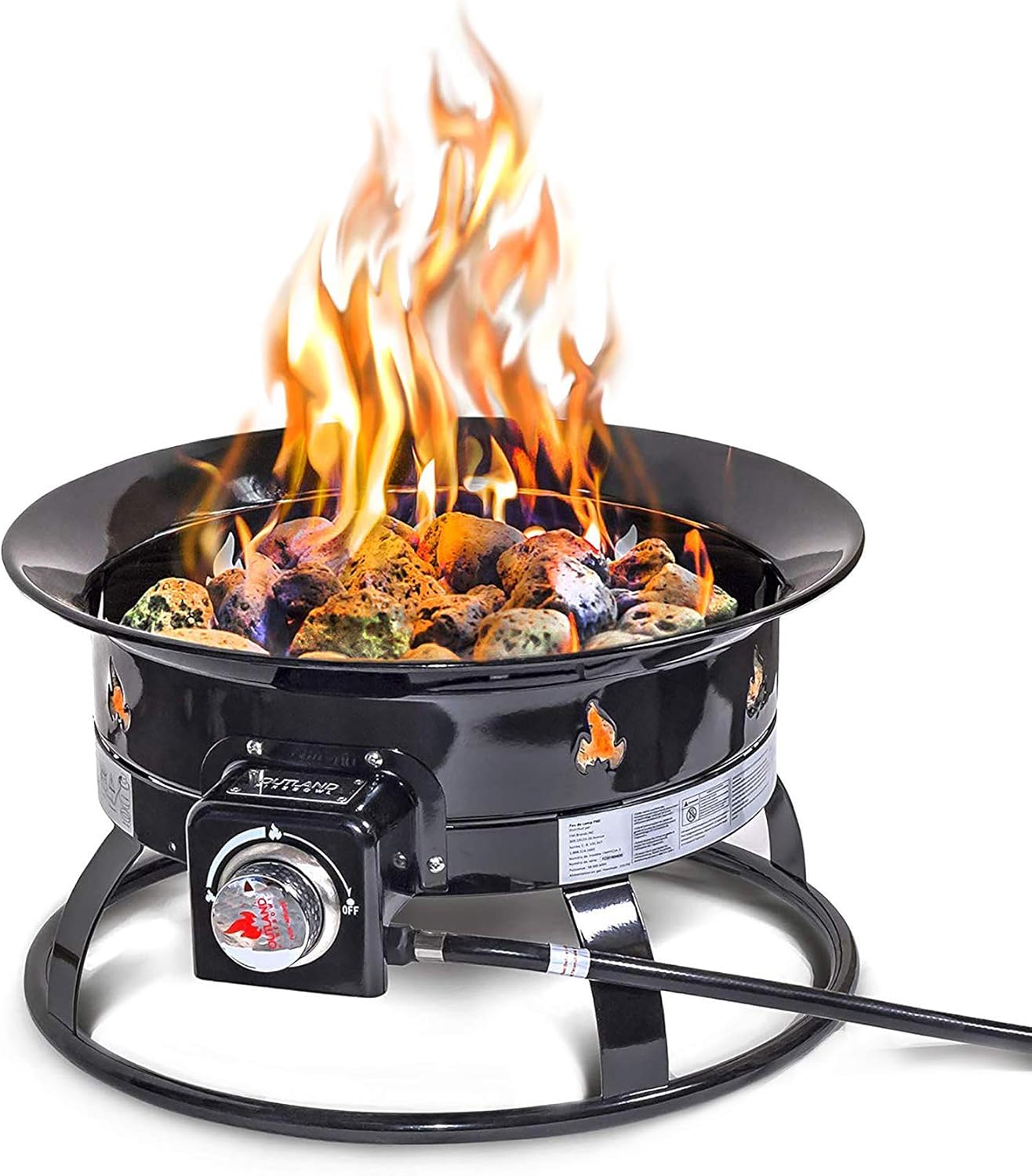 Outland Living Portable Propane Fire Pit Outland Living Portable Propane Fire Pit | Product Style: Propane Gas Fire Pit Shape: Round Material Type: Alloy Steel, Stainless Steel | Check price |
 22" Aluminum Propane Fire Pit Table 22" Aluminum Propane Fire Pit Table | Check price | |
 Ciays 42 Inch Gas Fire Pit Table Ciays 42 Inch Gas Fire Pit Table | Product Style: Rock Shape: Rectangular Material Type: Alloy Steel | Check price |
 BALI OUTDOORS 50 BALI OUTDOORS 50 | Check price |
As an Amazon Associate we earn from qualifying purchases at no extra cost to you.
⚡ Save on Your Next PC — Amazon Prime
Prime members get fast free shipping on the systems above, plus early access to Prime Day & Black Friday PC deals. New members get a 30-day free trial.
Watch: Choosing Between a Gas vs. Propane Fire Pit for Your Patio — Video Review
How to Choose
- Fuel source: natural gas ties into your home line for endless fuel, while propane runs off a portable tank you refill or swap.
- Installation: natural gas usually needs a plumber and a fixed location, whereas propane pits work right out of the box anywhere.
- Portability: propane models can move around the patio or come camping, a flexibility natural gas cannot match.
- BTU output: look at the heat rating, with 40,000 to 60,000 BTU covering most patio-sized pits comfortably.
- Table vs. bowl: fire pit tables add usable surface and often hide the tank, while portable bowls prioritize compact heat.
The Best Picks Reviewed
Ciays 32-Inch Propane Fire Pit Table, 50,000 BTU
This 32-inch steel fire table puts out a strong 50,000 BTU and includes a lid and lava rock, so it works as a cocktail table when the flame is off. The all-in-one design and solid output make it a well-rounded centerpiece for a medium patio.
Ciays 43-Inch Rectangular Propane Fire Pit, 60,000 BTU
Stepping up in size and heat, this rectangular model delivers 60,000 BTU through a 304 stainless steel H-burner, with glass stones and a wind guard included. It is the pick for larger gatherings that need more warmth spread across a bigger table.
Outland Living Portable Propane Fire Pit, 58,000 BTU
This 19-inch portable firebowl brings 58,000 BTU of smokeless heat and comes with a cover and carry kit for camping, tailgating, or the backyard. Its portability is the whole point, letting you take the fire wherever the evening goes.
BALI OUTDOORS Propane Gas Fire Pit Table
A popular all-rounder, the BALI OUTDOORS table combines a usable tabletop with a hidden tank compartment for a clean look. It balances warmth, style, and value, making it an easy recommendation for first-time fire pit buyers.
OutVue 32-Inch Propane Fire Pit Table with Drink Holders
This 32-inch table adds two built-in drink holders, a small touch that proves genuinely handy on a busy patio. The compact footprint and thoughtful details make it a strong choice for smaller spaces that still want a proper fire feature.
Frequently Asked Questions
Is a natural gas or propane fire pit cheaper to run?
Natural gas typically costs less per hour of burning and never runs out mid-evening, but it requires a plumbed line. Propane costs a bit more per use and needs tank refills, though it avoids installation expense entirely, so the cheaper option depends on how often you use it.
Can I convert a propane fire pit to natural gas?
Some models offer conversion kits, but not all, and converting requires matching the burner to the gas pressure. If you want natural gas, it is usually simpler and safer to buy a pit designed for it rather than modifying a propane unit.
How many BTUs do I need for a patio fire pit?
For a standard patio, 40,000 to 60,000 BTU provides comfortable warmth for a small group. Larger open areas or windy locations benefit from the higher end of that range, while a compact bowl for one or two people can run lower.
Are propane fire pits safe on a covered patio?
Propane pits produce an open flame and combustion byproducts, so they need adequate overhead clearance and ventilation. Always follow the manufacturer’s clearance guidelines and never use one in a fully enclosed space.
Final Thoughts
The gas-versus-propane decision comes down to permanence and flexibility. If you want a fixed centerpiece and use it constantly, a plumbed natural gas line pays off, but for most patios the freedom of propane wins, no installation, easy relocation, and models from portable bowls to full 60,000 BTU tables. Match the size and heat output to your space, and your patio gains a warm gathering spot for every season.