Key takeaways
- Improves nighttime visibility. Lighting can make steps, uneven paving, driveway edges, and changes in elevation easier to see. It is helpful, but it should not replace handrails, reflective house numbers, or proper walkway maintenance.
- Extends outdoor use. A lit patio, deck, or seating area is more inviting after sunset. Even a few fixtures can define the edge of a gathering area without lighting the entire yard.
- Adds curb appeal. Well-aimed spotlights can emphasize mature trees, stonework, columns, or landscaping that disappears at night. This is especially useful if you care about how the home looks from the street.
- Uses relatively little energy. LED fixtures commonly use about 3 to 10 watts each. A six-fixture, 7-watt system uses 42 watts while operating, and a timer can limit the schedule to the hours when lighting matters.
- Offers flexible installation. Low-voltage kits can be repositioned as plants grow or the yard changes. Solar fixtures are even easier to move because they do not require buried cable.
- Can add a modest security benefit. Lighting eliminates some dark areas near doors and paths. It is not a complete security system, but it can make the property feel occupied and improve the visibility of cameras or visitors.
The Short Answer
Yes—if you regularly use your yard after dark, have a walkway or step that needs better visibility, or want to highlight a feature such as a tree, porch, or garden bed. If your outdoor space is rarely used at night and you are shopping only for decoration, landscape lighting is optional rather than essential.
The right setup does not need to be expensive or complicated. A small installation of four to eight fixtures can make a front path safer, improve curb appeal, and make a patio feel more usable. But landscape lighting also means buying, positioning, and occasionally maintaining equipment. Before spending money, decide whether you need practical illumination, decorative accent lighting, or both.
Our top picks
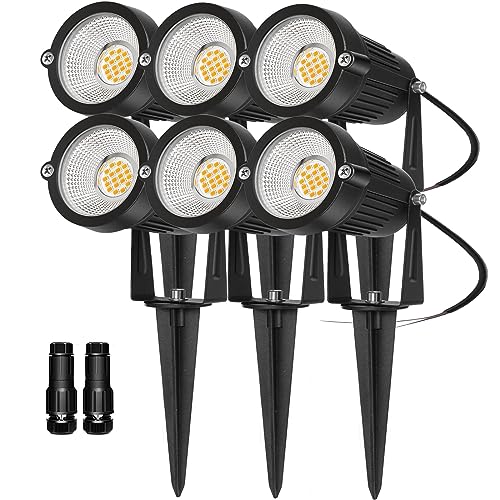 REEGOLD Low Voltage Landscape Lights Outdoor: 7W
- 12V 24V Low Voltage Landscape Lights: Low voltage…
- High Performance & Long Service Life: We used…
- IP65 Waterproof Rating: This pathway light has excellent…
As an Amazon Associate we earn from qualifying purchases at no extra cost to you.
What You Actually Get
Landscape lighting is usually a collection of small outdoor fixtures connected to a power source. Common types include path lights, spotlights, step lights, wall lights, and string lights. Most residential systems use either low-voltage electricity or solar power.
A low-voltage system typically includes 12-volt fixtures, a transformer that reduces household power, outdoor cable, connectors, and stakes or mounting hardware. You plug the transformer into a weather-protected outdoor outlet, run the cable along the planting beds or walkway, and place each fixture where you need it. Many kits are designed for do-it-yourself installation and do not require an electrician, although you should follow local electrical codes and the manufacturer’s instructions.
Solar lights are self-contained. Each fixture has a small solar panel, rechargeable battery, LED, and stake. They are simpler to install because there is no cable or transformer, but they depend on several hours of direct sunlight. Shade, winter weather, dirt on the panel, and short days can reduce nighttime runtime.
Expect landscape lighting to provide pools of light rather than the brightness of a porch or floodlight. A path light may illuminate the ground within a few feet, while a spotlight creates a narrower beam on a tree, sign, or architectural detail. Warm white light around 2,700K to 3,000K generally looks softer and more residential than cool white light.
For a small yard, a realistic starting point is four to six fixtures. A typical path-light layout spaces fixtures roughly 6 to 10 feet apart, alternating sides when possible. Spotlights should be aimed at objects instead of directly toward windows, sidewalks, or the street.
Pros
- Improves nighttime visibility. Lighting can make steps, uneven paving, driveway edges, and changes in elevation easier to see. It is helpful, but it should not replace handrails, reflective house numbers, or proper walkway maintenance.
- Extends outdoor use. A lit patio, deck, or seating area is more inviting after sunset. Even a few fixtures can define the edge of a gathering area without lighting the entire yard.
- Adds curb appeal. Well-aimed spotlights can emphasize mature trees, stonework, columns, or landscaping that disappears at night. This is especially useful if you care about how the home looks from the street.
- Uses relatively little energy. LED fixtures commonly use about 3 to 10 watts each. A six-fixture, 7-watt system uses 42 watts while operating, and a timer can limit the schedule to the hours when lighting matters.
- Offers flexible installation. Low-voltage kits can be repositioned as plants grow or the yard changes. Solar fixtures are even easier to move because they do not require buried cable.
- Can add a modest security benefit. Lighting eliminates some dark areas near doors and paths. It is not a complete security system, but it can make the property feel occupied and improve the visibility of cameras or visitors.
Cons
- There is an upfront cost. Basic solar sets may cost about $20 to $80 for four to eight fixtures. A low-voltage kit with a transformer, cable, and connectors commonly costs $80 to $250 or more, depending on fixture quality and the number of lights.
- Installation takes planning. You need to map the cable, check outlet access, position fixtures, hide or secure wires, and adjust the beams at night. A rushed installation can create glare, dark gaps, or a cluttered appearance.
- Solar performance is inconsistent. A solar light may work well in summer but provide less light during cloudy weather or winter. A panel placed under a tree or beside a north-facing wall may not receive enough direct sun.
- Fixtures require occasional maintenance. Clean solar panels, remove leaves from lenses, straighten tilted stakes, and inspect cable connections. Plants can eventually block light or pull on exposed wires.
- Too much light can look harsh. Over-lighting every shrub can flatten the yard visually, annoy neighbors, and create glare. Fewer, carefully aimed fixtures usually look better than a bright fixture at every few feet.
- Outdoor components still wear out. Water resistance is not the same as indestructibility. Stakes can crack, finishes can fade, batteries can weaken, and connectors can corrode if they are poorly protected.
Who Should Buy It
Landscape lighting is a good purchase if you walk from the driveway to the front door at night, entertain outdoors, have steps or a winding path, or want to show off landscaping after sunset. It is also worthwhile for homeowners who expect to stay in the property for several years and can benefit from a permanent-looking installation.
Choose low-voltage lighting when dependable scheduling and consistent brightness matter. For example, the REEGOLD six-pack listed at $35.99 includes 7-watt, 700-lumen LED spotlights, connectors, and support for 12V or 24V systems. It is the kind of option to consider for trees, garden beds, and pathway accents, but you should confirm whether your setup also needs a transformer, cable, or additional connectors before ordering. Its warm 2,700K color is suited to a softer residential look, and an IP65 rating indicates protection against dust and water jets—not immersion or careless installation.
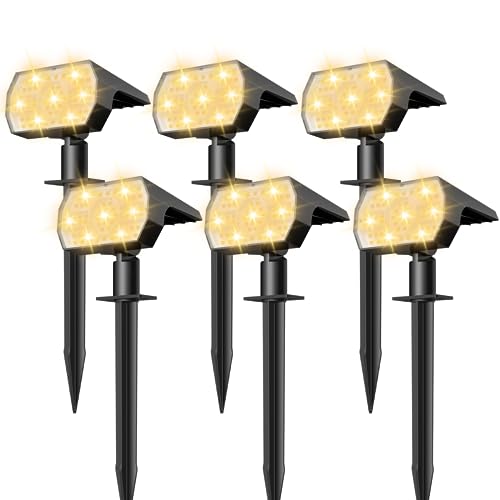
Solar is a better fit if you rent, do not have a convenient outdoor outlet, or want installation to take minutes. A six-pack such as the NYMPHY Solar Lights Outdoor Waterproof set costs $59.99 and avoids wiring. Place each panel where it can receive strong sunlight, and treat the lights as decorative or supplemental illumination rather than a guaranteed replacement for wired path lighting.
Who Should Skip It
Skip landscape lighting for now if you rarely use the yard at night, have no safe way to power a low-voltage system, or would need to place solar panels in heavy shade. It may also be unnecessary if your porch light and existing street lighting already illuminate the areas you use.
You should postpone the project if drainage, loose paving, overgrown plants, or broken steps are bigger safety problems. Lighting can make hazards easier to see, but it does not correct them. Likewise, if you want bright, broad coverage across a large backyard, a few landscape fixtures may disappoint; you may need properly placed floodlights designed for that purpose.
Cheaper Alternatives
| Option | Cost | Trade-off |
|---|---|---|
| Solar path-light set | $20–$80 | Easy installation and no wiring, but brightness and runtime depend heavily on sunlight and battery condition. |
| Motion-sensor wall or floodlight | $25–$100 per fixture | Provides useful light only when motion is detected, but it does not create a continuous decorative glow. |
| Plug-in LED string lights | $20–$70 | Inexpensive for patios and fences, though they need an outdoor outlet and can look less integrated in planting beds. |
| Reflective address numbers and path markers | $10–$50 | Improves wayfinding at a low cost, but it does not illuminate steps, landscaping, or an entire walkway. |
| One outdoor spotlight | $15–$60 | Lets you test the look on a tree or entryway before buying a full system, but coverage is limited. |
FAQ
Is landscape lighting worth the money?
It can be, especially when it solves a specific problem. Lighting a dark step, driveway edge, or frequently used path delivers more value than adding decorative fixtures where nobody walks. Start with the most important area and expand only if the result is useful.
How many landscape lights do I need?
Many small front yards can start with four to six fixtures. Use path lights about 6 to 10 feet apart, then add one or two spotlights for a tree, entry feature, or architectural detail. Large yards may need more, but spacing and aiming matter more than simply increasing the fixture count.
Are solar or low-voltage landscape lights better?
Neither is universally better. Solar lights are easier and cheaper to install, but they need direct sunlight and may be dimmer or less consistent. Low-voltage lights generally provide more predictable output and scheduling, but they require a transformer, cable, and more setup. Choose based on your access to sunlight, outlets, and willingness to install wiring.
Can I install landscape lighting myself?
Most plug-in solar and low-voltage kits are manageable for a careful homeowner. Keep connections protected, use outdoor-rated components, avoid damaging buried utilities, and follow the installation instructions. Hire a qualified professional if the project involves new household wiring, difficult trenching, complicated drainage, or local code requirements you are not comfortable handling.