Key takeaways
- Choosing between cedar and galvanized steel raised beds is less about which material is universally better and more about how you garden at home. The real decision is whether you value warm, furniture-like style and easy customization or long service…
What's inside
Choosing between cedar and galvanized steel raised beds is less about which material is universally better and more about how you garden at home. The real decision is whether you value warm, furniture-like style and easy customization or long service life, slim walls, and low upkeep. Your available space, climate, budget, soil depth, and plans for moving the bed matter just as much as the material.
Cedar usually feels more natural in a backyard, patio, or designed landscape. Galvanized steel is often the practical choice for large vegetables, deep-rooted crops, and gardeners who do not want to rebuild their beds every several years. Both can grow productive herbs, flowers, and vegetables when filled with quality soil and given adequate drainage.
As an Amazon Associate we earn from qualifying purchases at no extra cost to you. Product prices and availability are accurate as of the date shown and are subject to change.


Quick Verdict
Choose cedar if you want a classic wood appearance, cooler-feeling sides in hot sun, simple DIY sizing, and a bed that blends into a deck or garden border. A well-built untreated cedar bed can last roughly five to 10 years, depending on wood thickness, moisture, drainage, and climate.
Choose galvanized steel if you want the longest expected service life, a narrow footprint, minimal maintenance, or a tall bed that is easier to reach. Galvanized panels commonly last 10 to 30 years or more when the coating remains intact, though the result varies by steel gauge, finish, soil contact, and weather.
For a compact rental, cedar is often easier to customize and remove. For a permanent family vegetable garden, galvanized steel generally offers better long-term value.
Side by Side
| Factor | Cedar | Galvanized steel |
|---|---|---|
| Comfort | Does not heat as quickly to the touch; broad top edges can serve as a sitting or resting surface. | Can become hot in direct sun; rolled or capped edges improve comfort and safety. |
| Durability | Typically about 5–10 years; thick boards and excellent drainage extend service life. | Often 10–30 years or longer; dents, scratches, and exposed cut edges can shorten life. |
| Price range | About $40–$250 for common kits; custom lumber beds can cost more. | About $20–$350, depending on size, depth, steel gauge, coating, and hardware. |
| Maintenance | Inspect for rot, replace boards as needed, and keep soil from staying against wet wood. | Usually needs only seasonal inspection and occasional tightening of bolts or braces. |
| Space needed | Thicker walls use several extra inches of interior space and are best kept under 4 feet wide for access. | Thin walls maximize growing room; common beds range from 2×4 feet to 6×3 feet or larger. |
| Look | Warm, traditional, and easy to stain or coordinate with wood fencing and decks. | Clean, modern, and available in silver, dark, or painted finishes. |
| Resale and portability | Easy to disassemble, cut down, or repurpose, but used lumber has limited resale value. | Durable and reusable, although large panels may be awkward to move and can lose value if bent. |
| Best for | Small gardens, traditional landscapes, DIY projects, and renters who want a softer appearance. | Deep-rooted crops, high-yield vegetable gardens, accessibility, and long-term installations. |
Where Cedar Wins
Cedar’s biggest advantage is visual warmth. Its grain and reddish-brown tone make a raised bed look like part of the landscape rather than a piece of equipment. It pairs naturally with patios, wood fences, and outdoor seating, and it can be cut to fit an irregular corner. If your garden is only 2×4 feet or 3×6 feet, a cedar kit may also feel less industrial than metal.
Cedar is relatively easy to work with. A homeowner with a saw, drill, and exterior-rated screws can build a basic bed from boards several inches wide. Boards that are 1 to 2 inches thick provide a sturdier structure than thin decorative panels. Cedar is naturally resistant to decay, but it is not rot-proof. Avoid burying the wood, allow drainage around the exterior, and do not let sprinklers keep the sides wet all day.
Wood also stays more comfortable around children and pets during hot weather. A metal bed in full sun can feel quite warm, while cedar is less likely to become an unpleasant surface for a child leaning against it. That does not eliminate the need for supervision or shade, but it can make everyday gardening more inviting.
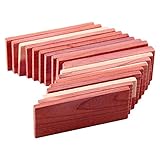
Cedar is especially useful when you want to match several small beds or add custom dividers. For example, the garden can sit beside a storage area that uses cedar accessories such as Cedar Space Cedar Blocks for Clothes Storage, 16 PCS Cedar Chips for Closet, priced at $13.99, or Woodever Cedar Blocks for Clothes Storage 56 Pcs, priced at $17.99. Those closet products are not garden materials, but they illustrate how easily cedar fits into a cohesive natural-wood home style.
Where Galvanized Steel Raised Beds Wins
Galvanized steel wins on longevity and efficient use of space. Its walls are often only a fraction as thick as wood, leaving more interior width for roots while maintaining the same outside dimensions. That is helpful on a balcony, narrow side yard, or small patio where every inch matters.
Steel is also a strong choice for deep beds. A 2-foot-tall bed can support crops such as tomatoes, carrots, potatoes, and perennial herbs while reducing bending. Taller beds can be more comfortable for people with limited mobility, but they need a stable, level base and enough soil to prevent tipping or bowing. Look for cross-braces, reinforced corners, or a manufacturer’s recommended fill depth on beds wider than about 4 feet.
Galvanized coatings protect steel from moisture, and modern garden beds are commonly made with zinc-coated panels intended for outdoor use. The coating is not indestructible: avoid dragging tools across it, and repair or monitor deep scratches. A correctly assembled bed should have no sharp exposed edges, especially if children or pets use the yard.
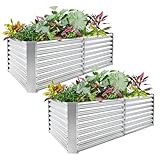
Product sizes demonstrate the range available. A small option such as the Rakukiri Raised Garden Bed GRS Certified Galvanized Planter Box, a 5-foot oval, is listed at $19.99. At the larger end, the Land Guard 2 Pack 6×3×2 ft Galvanized Metal Raised Garden Bed is listed at $69.99. These prices show why comparing dimensions and included hardware matters more than comparing material labels alone: a low-priced steel kit may provide considerably more growing volume than a small cedar box.
Cost Over 5 Years
Up-front price does not tell the whole story. A small cedar bed might cost $40–$100, while a medium or custom cedar installation can reach $150–$250 before soil. Galvanized steel commonly ranges from $20–$150 for small and medium kits, with large, deep, or heavily braced systems reaching $200–$350.
For a fair five-year comparison, include soil, delivery, hardware, and replacement parts. Filling a 4×8-foot bed that is 12 inches deep requires about 32 cubic feet of soil, or roughly 1.2 cubic yards. Depending on the blend and delivery fee, that can add about $100–$250. A 2-foot-deep bed requires twice as much volume, although the bottom can sometimes be filled with approved coarse organic material where appropriate.
A cedar bed costing $100 may need a $20–$60 board replacement or hardware refresh during five years, particularly in a wet climate. A galvanized bed costing $100–$180 may need little more than occasional bolt tightening. Cedar can therefore be cheaper at the start, while galvanized steel often has the lower annualized cost when you expect to keep the same layout beyond five years.
Which One for Your Home
Small apartment
Choose a compact cedar or lightweight galvanized bed no larger than your balcony rules allow. Prioritize drainage, total filled weight, and a waterproof tray or protective mat. Soil is heavy: a 2×4-foot bed filled 12 inches deep can hold about 16 cubic feet of growing medium and may weigh several hundred pounds when wet. Confirm your building’s load limits before buying, and consider a 6- to 12-inch-deep planter for herbs and greens.
Family with kids or pets
Cedar is often the friendlier choice because it has broad, softer-looking edges and does not heat as rapidly as dark metal. If you choose galvanized steel, select a model with rolled edges or protective caps, secure it on level ground, and keep corners away from play paths. Both materials should be checked for protruding screws, splinters, and unstable panels.
Rental
Use a freestanding cedar kit when appearance, easy disassembly, and a nonpermanent setup are priorities. Avoid fastening it to a deck or drilling into hardscape without permission. A small galvanized bed can also work well if you want to move it later, but large steel panels are cumbersome once assembled and filled. Keep the bed light enough to transport by using a shallower soil profile.
Long-term home
Galvanized steel is the stronger default for a permanent food garden, especially when you want 18- to 24-inch depth, multiple beds, or reduced maintenance. Cedar remains the better design choice when the garden borders a deck or formal landscape and you are comfortable replacing boards over time. In either case, invest in quality soil and leave enough space—at least 18 to 24 inches—for walking between beds.
FAQ
Is cedar safer than galvanized steel for growing vegetables?
Both can be appropriate when made for garden use. Use untreated cedar rather than wood treated with unknown chemicals. For steel, buy a purpose-built garden bed, follow its assembly instructions, and avoid panels with damaged coatings or sharp exposed edges.
Do galvanized steel beds make soil too hot?
They can warm in full sun, particularly when painted dark colors or exposed on all sides. Mulch, adequate moisture, and afternoon shade help moderate soil temperatures. A light-colored or silver finish generally absorbs less heat than a dark finish.
How wide should a raised bed be?
Keep an accessible bed about 3 to 4 feet wide if you can reach from both sides. A bed against a wall is usually best at 2 feet wide or less. Length is flexible, but add a cross path or break in beds longer than about 8 feet to make watering and harvesting easier.
Can I combine cedar and galvanized steel?
Yes. A galvanized steel bed can handle the main growing area while cedar edging, trellises, benches, or nearby planters soften the appearance. This combination works well when you want steel’s durability but prefer a warmer visual connection to the rest of your home.