Key takeaways
- Choosing between a pergola and a gazebo for backyard shade is less about which structure looks better and more about how you plan to use the space. Do you want a defined outdoor room for meals, lounging, and protection from…
Choosing between a pergola and a gazebo for backyard shade is less about which structure looks better and more about how you plan to use the space. Do you want a defined outdoor room for meals, lounging, and protection from changing weather? Or would you prefer an airy architectural feature that filters sunlight while keeping the yard visually open?
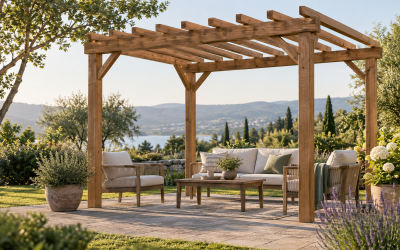
A pergola typically has posts and an open or adjustable slatted roof. It creates partial shade and can support curtains, climbing plants, string lights, and outdoor furniture. A gazebo usually has a solid roof, a more enclosed footprint, and stronger protection from direct sun and light rain. Both can transform a patio, but their costs, installation demands, maintenance needs, and everyday comfort differ.
Our top picks
 Aoxun Gazebo 10x12 Hardtop Gazebo with Double
- Material Type: Metal
- Shape: Rectangular
- Water Resistance Level: Waterproof
Double galvanized steel roof improves heat insulation
Zippered netting and curtains add privacy and airflow control
120 square feet fits 6 to 8 people comfortably
Needs ground stakes or bolts secured for stability
Assembly recommended for 3-4 people working together

 Aoxun 12'x10' Hardtop Gazebo with Polycarbonate Double
- Material Type: Metal
- Shape: Rectangular
- Water Resistance Level: Waterproof
Double-layer polycarbonate roof blocks UV while allowing airflow
Fits 8 to 10 people under one canopy
Removable curtains add privacy when needed
Needs ground spikes and wind rope when placed on grass
Assembly takes 2-3 people roughly 2-3 hours
As an Amazon Associate we earn from qualifying purchases at no extra cost to you.
For 2026 shoppers, the most useful comparison is not simply pergola versus gazebo. It is how much shade you need, how permanent the installation should be, and whether the structure must handle meals, playtime, entertaining, or year-round outdoor living.
Quick Verdict
Choose a gazebo if your main goal is dependable backyard shade. Its solid roof blocks more direct sunlight than fixed pergola slats, and screened or curtained models can make the space more comfortable around insects. A hardtop gazebo is also the better choice when light rain protection matters.
Choose a pergola if you want a lighter, more open design and control over how much sunlight reaches the patio. Adjustable-roof models offer more flexibility than traditional pergolas, while attached or compact designs can work well beside a house. Pergolas are especially appealing for modern landscaping and entertaining areas where airflow and visual openness are priorities.
Side by Side
| Factor | Pergola | Gazebo |
|---|---|---|
| Comfort | Airy and well ventilated; shade varies with roof design | More consistent shade and better light-rain protection |
| Durability | Strong when properly anchored; roof panels and louvers need inspection | Hardtop models generally offer a more substantial weather barrier |
| Price range | About $500 to $3,000 for many freestanding residential kits | About $300 to $4,000, depending on roof, walls, screens, and size |
| Maintenance | Clean louvers, check hardware, and maintain wood or coatings | Clean the roof, screens, gutters if included, and frame connections |
| Space needed | Common sizes range from 10×10 to 12×16 feet | Common sizes range from 10×10 to 12×14 feet |
| Look | Open, architectural, and easy to blend with landscaping | Defined outdoor room with a stronger focal-point appearance |
| Resale appeal | Can add visual appeal and usable patio space when well installed | May be more appealing to buyers seeking a finished entertaining area |
| Best for | Flexible shade, plants, outdoor dining, and modern patios | Reliable shade, family gatherings, lounging, and light weather protection |
Where Pergola Wins
The biggest pergola advantage is flexibility. A fixed-louver pergola can filter sunlight without making the patio feel closed in. An adjustable-roof model lets you open the roof on mild days, angle the louvers to reduce glare, or close them when direct overhead sun becomes uncomfortable. That makes a pergola useful in the morning, afternoon, and evening as the sun moves across the yard.
Pergolas also tend to integrate more naturally with a home’s architecture. A 12×16-foot structure can define an outdoor dining zone without looking like a separate building. Smaller 10×10-foot versions can fit over a modest patio or beside a pool. Because the sides are open, a pergola usually preserves sightlines to the garden and allows breezes to pass through.
Design options are another strength. You can add outdoor curtains, retractable shade panels, climbing vines, a ceiling fan, or low-voltage lighting. For electrical planning, a typical outdoor ceiling fan may use roughly 40 to 100 watts, while LED string lighting may use 10 to 30 watts, but installation should follow local electrical rules and use weather-rated components.
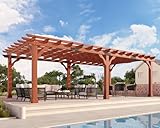
An adjustable-roof aluminum pergola can cost more than a basic open-top kit. For reference, a 12×16-foot adjustable-roof pergola with a thick aluminum frame is listed at $1,472.50. That price reflects the larger footprint and moving roof components, not a guarantee of performance in every climate.
The trade-off is that a traditional pergola does not provide full shade throughout the day. Slat spacing, roof direction, and sun angle all affect coverage. Curtains and fabric can improve shade but add wind and cleaning concerns. Pergolas also require careful anchoring, particularly on concrete patios exposed to strong gusts.
Where Gazebo for Backyard Shade Wins
Gazebos win when predictable coverage matters. A solid roof blocks direct sunlight more consistently than open slats, making the structure more comfortable for lunches, card games, and afternoon seating. A roof can also protect furniture from occasional drizzle, although it should not be treated as a fully enclosed, stormproof room unless the manufacturer specifically says so.
Hardtop gazebos are particularly practical for homeowners who want a permanent-feeling backyard feature without constructing an addition. Steel, aluminum, polycarbonate, and composite roof panels each have different appearances and maintenance requirements. Metal roofs often create a more substantial look, while polycarbonate panels can admit some filtered light.
Current examples show how widely prices vary. The Aoxun Gazebo 10×12 Hardtop Gazebo with Double Galvanized Steel Roof in Gray is listed at $479.99. A smaller-footprint option, the Aoxun 12×10 Hardtop Gazebo with Polycarbonate Double Roof in Brown, is listed at $399.99. These prices illustrate why a gazebo can sometimes deliver more roof coverage for less than an adjustable pergola, though assembly, anchoring, curtains, flooring, and site preparation may add to the final cost.
A gazebo can also create a stronger sense of separation from the rest of the yard. Add screens or curtains and it becomes a more private retreat. That is helpful near a neighboring property, beside a pool, or in a yard where mosquitoes make open-air dining unpleasant.
There are drawbacks. A solid roof can make a gazebo feel darker and warmer on still summer days, especially when the structure has limited airflow. The enclosed-looking footprint may also dominate a small yard. Before buying, measure the roof overhang, not just the advertised floor dimensions, and leave room for doors, walkways, furniture, and maintenance access.
Cost Over 5 Years
The purchase price is only the first part of the calculation. A realistic five-year budget should include the structure, site preparation, anchoring, upkeep, and any shade or comfort accessories.
For a basic pergola, assume $700 to $1,500 for the kit, plus approximately $100 to $500 for anchors, concrete, tools, and minor site work. Curtains, a shade canopy, or lighting may add $100 to $500. Over five years, plan on roughly $50 to $150 for cleaning supplies, replacement hardware, or fabric upkeep. That produces an estimated five-year total of about $950 to $2,650, excluding professional labor and major repairs.
An adjustable aluminum pergola may start closer to $1,400 and can exceed $3,000 after delivery, installation, and electrical work. Its five-year total could reasonably reach $1,800 to $4,500, depending on complexity and whether a contractor installs it.
For a hardtop gazebo, a $400 to $1,200 kit is common for many mid-size models, with $150 to $800 for anchoring, leveling, and assembly help. Screens, curtains, furniture, and replacement roof fasteners can add another $100 to $600 over five years. A practical five-year range is therefore about $650 to $2,600.
These are planning ranges, not guaranteed ownership costs. Local labor rates, wind exposure, snow load, foundation requirements, and permit rules can change the total substantially. A larger structure may also require a permanent footing rather than simple surface anchors.
Which One for Your Home
Small Apartment or Townhome Patio
Start with a compact pergola if the patio is shared, narrow, or visually connected to the living room. A 10×10-foot structure may fit, but confirm homeowner association rules, balcony or patio load limits, and clearance requirements first. If you need stronger shade in a small area, a compact gazebo can work, but its solid roof may make the space feel crowded.
Family With Kids or Pets
A gazebo is usually the more forgiving choice for families. The roof provides dependable shade during playtime, meals, and weekend gatherings, while curtains or screens can help contain toys and reduce insects. Choose rounded or protected frame details where possible, anchor every post securely, and avoid placing the structure where water drains toward the house.
Rental Home
Renters should favor a removable, freestanding design that does not require permanent footings. A small gazebo may deliver the most shade immediately, but check the lease before assembling anything substantial. A lightweight pergola can be attractive, though it may need additional fabric panels to match a gazebo’s coverage. Never rely on weight alone in a windy location; use an approved anchoring method.
Long-Term Home
For a home you expect to own for years, choose based on how the yard functions. A pergola is the better long-term investment when you want a landscaped entertaining zone, adjustable sunlight, or a structure that complements the home’s lines. A gazebo is preferable for frequent outdoor dining, poolside lounging, privacy, and more consistent shade. In either case, prioritize proper anchoring, drainage, and a foundation appropriate for local conditions.
FAQ
Is a pergola or gazebo better for backyard shade?
A gazebo generally provides better shade because it has a solid roof. A pergola is better when you want partial, adjustable, or filtered shade with more airflow and an open appearance.
Can a pergola protect against rain?
A traditional open-slat pergola offers little rain protection. An adjustable or louvered roof can shed some rain when closed, but performance depends on the roof design, seals, slope, and wind conditions.
What size gazebo or pergola should I buy?
Allow at least 36 inches of walking clearance around major furniture when possible. A 10×10-foot structure suits a small seating area, while a 12×12-foot structure can accommodate a table and chairs. A 12×16-foot pergola is better for separate dining and lounge zones.
Do I need a permit for a backyard pergola or gazebo?
Possibly. Requirements vary by city, structure size, height, foundation type, property setbacks, and whether the structure is attached to the home. Check local building and zoning offices, plus any homeowners association rules, before ordering.