Key takeaways
- Choosing between a gazebo and an arbor for climbing plants is less about which structure looks better and more about how you want to use your outdoor space. A gazebo is a destination: it can create a shaded room for…
What's inside
Choosing between a gazebo and an arbor for climbing plants is less about which structure looks better and more about how you want to use your outdoor space. A gazebo is a destination: it can create a shaded room for dining, lounging, or entertaining. An arbor is a passage, frame, or vertical garden feature that supports vines while using far less space and money.
The real decision is whether you need shelter first and plant support second, or plant support first and shelter second. Before buying, consider your available footprint, local wind and snow conditions, whether the structure must be permanent, and how quickly your climbing plants will fill in. This guide compares the two options for homeowners and renters planning an outdoor upgrade in 2026.
As an Amazon Associate we earn from qualifying purchases at no extra cost to you. Product prices and availability are accurate as of the date shown and are subject to change.


Quick Verdict
Choose a gazebo if you want a usable outdoor room with dependable shade, seating space, and protection from light rain. A hardtop model measuring about 10 by 12 feet provides roughly 120 square feet of covered floor area, enough for a dining table or several lounge chairs. It costs more, requires more assembly, and needs careful anchoring.
Choose an arbor if your main goal is to grow roses, clematis, jasmine, grapes, or other climbers vertically. Most garden arches are about 7 to 8 feet tall and 3 to 5 feet wide, making them suitable for entryways, pathways, patios, and compact yards. They are usually inexpensive and easy to relocate, but they offer little protection from sun or rain.
For many homes, the best answer is not either-or. An arbor can frame a garden or walkway, while a gazebo creates the main gathering area. If the budget allows only one, prioritize the way you will spend time outdoors rather than the plants you hope to grow.
Side by Side
| Factor | Gazebo | Arbor for Climbing Plants |
|---|---|---|
| Comfort | Provides shade and, with curtains or screens, some relief from insects and wind. | Provides visual interest and filtered shade once vines mature, but no reliable weather protection. |
| Durability | Metal hardtop models can be substantial, but roofs and frames still require proper anchoring. | Metal arches are lighter and can last for years when coated and installed securely; thin frames may bend under heavy vines or snow. |
| Price range | About $400 to $3,000 or more, depending on size, roof, materials, and installation. | About $18 to $500, with simple steel arches at the low end and larger wood or decorative structures at the high end. |
| Maintenance | Requires roof, hardware, fabric, drainage, and finish checks; leaves and snow may need removal. | Requires pruning, tying, rust checks, and occasional repainting or replacement of supports. |
| Space needed | Typically at least 10 by 10 feet, plus clearance for doors, furniture, and maintenance. | Can fit in a narrow bed, pathway, or patio edge; many are around 3 to 5 feet wide. |
| Look | Creates a defined outdoor room and a strong architectural focal point. | Creates a garden entrance, plant tunnel, or vertical accent that becomes more distinctive as vines grow. |
| Resale appeal | May add perceived outdoor-living value when it is attractive, permitted, and well maintained. | Usually adds curb appeal rather than measurable property value. |
| Best for | Outdoor dining, entertaining, lounging, and shade. | Climbing plants, garden transitions, narrow spaces, and low-cost decoration. |
| Installation | Often a two- to four-person project; larger units may need a prepared base and professional help. | Usually a one- or two-person project involving stakes, anchors, or small footings. |
Where Gazebo Wins
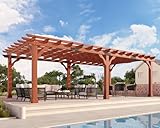
A gazebo is the stronger choice when the structure itself needs to make outdoor living more comfortable. A 10-by-12-foot footprint can accommodate a six-person dining set, depending on table size and circulation space. A smaller 10-by-10-foot gazebo may work better on a compact patio, while a 12-by-14-foot model gives guests more room but demands a larger, level site.
Roof material makes a practical difference. A hardtop roof offers more permanent coverage than a fabric canopy, and double-layer designs can help with drainage and heat management. For price context, the Aoxun Gazebo 10×12 Hardtop Gazebo with Double Galvanized Steel Roof, Gray is listed at $479.99, while the Aoxun 12’x10′ Hardtop Gazebo with Polycarbonate Double Roof, Brown is listed at $399.99. These examples illustrate that a hardtop gazebo can begin around the $400 mark, before delivery, tools, site preparation, or assembly labor.
Gazebos also give climbing plants a larger framework to use. Vines can be trained up corner posts or along selected roof edges, creating shade and a softened appearance over time. However, do not assume every gazebo is designed to carry a mature vine. Heavy growth, wet foliage, and fruit can add meaningful load, and aggressive plants may clog gutters, trap moisture, or interfere with moving roof parts. Check the manufacturer’s guidance and use separate trellis wire when necessary.
The tradeoff is maintenance. Owners may need to clear leaves from the roof, inspect fasteners, wash panels, touch up scratches, and remove accumulated snow according to the instructions. In windy areas, anchoring is essential. A gazebo placed on soil may need concrete footings, ground anchors, or another suitable foundation rather than simply sitting on the lawn.
Where Arbor for Climbing Plants Wins
An arbor wins on simplicity, price, and plant visibility. Its open sides expose vines to sunlight and pollinators, while the vertical form makes use of space that would otherwise remain empty. An arbor can mark the entrance to a vegetable garden, connect two planting beds, or create a photo-friendly backdrop without consuming an entire patio.
Budget metal arches are especially accessible. The RUBFAC 7.8ft Garden Arch, Metal Trellis for Climbing Plants Outdoor is listed at $17.99, and the Adorox 7.8ft Garden Arch Trellis is listed at $19.99. At this price level, buyers should expect a lightweight decorative frame rather than a covered structure or heavy architectural support. The exact number of stakes, connectors, and mounting points matters more than the low purchase price when the arch will carry vigorous plants.
Plant selection is critical. Light annual vines such as morning glory or sweet pea can cover a modest arch quickly. Perennial clematis, climbing roses, wisteria, grapes, and trumpet vine may require stronger framing and regular pruning. Some spread aggressively or become heavy when wet. Use soft ties, guide new stems through the trellis, and avoid cinching ties tightly around growing branches.
An arbor does not automatically become stable because it is pushed into the ground. Install it deeply enough for the design, use included anchors, or set the legs in small footings where appropriate. In exposed locations, an arbor with a broad base and multiple anchoring points is safer than an especially tall, narrow frame. Check it after storms and before the vines become dense.
Cost Over 5 Years
A five-year comparison is more useful than the initial price alone. For a basic arbor, assume an $18 to $150 purchase, $5 to $30 for ties, soil amendments, or replacement clips, and occasional paint or rust treatment. That produces an approximate five-year outlay of $25 to $250, excluding plants and professional landscaping. A high-quality wood arbor or a custom installation can cost considerably more.
For a gazebo, a practical entry-level estimate is $400 to $1,200 for the structure, plus $50 to $300 for anchoring, a base, replacement hardware, or fabric accessories. If professional assembly costs $300 to $1,000, the five-year total can reach approximately $750 to $2,500. Premium permanent gazebos can exceed that range before furniture, lighting, or electrical work.
Plants add another variable. A few annual vines may cost $10 to $40 per season, while established perennial plants can cost $20 to $80 each. Electricity is usually optional: low-voltage or solar accent lighting may add $20 to $150, while a professionally installed outdoor circuit costs much more and should be handled according to local code. These estimates are planning ranges, not guarantees; soil work, local labor rates, weather, and permit requirements can change the total.
Which One for Your Home
Small Apartment
An arbor is usually the better fit for a balcony, shared courtyard, or small patio, provided the landlord and building rules allow it. Look for a narrow design no more than 3 or 4 feet wide, and use containers rather than planting vines directly in shared soil. Avoid attaching a structure to a railing unless it is specifically approved for that use. A gazebo generally consumes too much space and may create wind or approval issues.
Family With Kids or Pets
A gazebo offers a defined place for adults to supervise outdoor activities, eat, or keep drinks and toys in the shade. Choose rounded or protected edges, secure the structure against tipping, and avoid placing furniture where children can climb onto the roof frame. An arbor can work near a garden or walkway, but inspect for sharp wire ends and keep thorny plants, such as some climbing roses, away from high-traffic play areas.
Rental
A freestanding arbor is easier to remove when you move, especially if it uses planter boxes or removable ground anchors. Keep the installation reversible and obtain written permission before digging or attaching anything to a building. A gazebo may be possible on a large rental property, but its foundation, anchoring, and removal can create disputes or costs at the end of the lease.
Long-Term Home
A gazebo is the better long-term investment when you regularly host meals, need shade, or want to expand outdoor living. Select a size that leaves at least 2 to 3 feet of practical clearance around the structure where possible, and verify zoning, setback, and snow-load requirements. Choose an arbor when the property’s character, garden layout, or plant collection is the priority. For a larger yard, combining a gazebo with one or two arbors can create both a destination and a welcoming path to it.
FAQ
Can climbing plants grow on a gazebo?
Yes, but use caution. Train vines on approved posts, trellis panels, or separate wire rather than assuming the roof can support mature growth. Keep foliage away from gutters, vents, moving panels, and drainage paths, and prune plants before they become too heavy.
What is the best arbor for heavy vines?
Look for thick, weather-resistant metal or properly treated wood, wide-set legs, cross-bracing, and secure ground anchors. A narrow decorative arch may support light annuals but can bend under mature grapes, wisteria, or wet climbing roses.
Does an arbor provide shade?
Only limited shade at first. Shade increases as the canopy fills in, but it depends on plant density, orientation, and season. An arbor should not replace a gazebo when dependable midday shade or rain protection is important.
Do I need a permit for a gazebo or arbor?
Rules vary by city, county, structure size, height, foundation, and property setbacks. An arbor may be exempt from permits, while a roofed gazebo may require approval. Check local building and homeowners association rules before ordering or digging.