Key takeaways
- Measure in the afternoon when feet are slightly swollen. Stand on paper, trace both feet, and measure the longest distance in millimeters.
- Add 10-12mm (about a thumb’s width) to your longest foot measurement for downhill toe room. This typically means buying a half size larger than your casual shoe size.
- Check width: If your foot width is more than 100mm for a men’s US 9 or 92mm for a women’s US 8, look for wide (2E) versions offered by Merrell, Keen, and Hoka.
- Test with hiking socks. A 6mm thick merino hiking sock adds roughly one-third of a size in volume compared to thin cotton socks. Always fit shoes with the socks you will actually hike in.
- Lace lock: Use a heel lock (runner’s loop) to prevent heel slip without overtightening the forefoot. This reduces friction blisters on descents by keeping the foot from sliding forward.
The best hiking shoes for comfort and grip are low-cut trail shoes with a sticky rubber outsole, moderate cushioning, and a waterproof membrane for wet terrain, but the right pick depends on your terrain, foot shape, and how much break-in you can tolerate.
For rocky trails you want deep lugs and a protective toe cap, for muddy or wet paths you need aggressive tread and waterproofing, and for dry, well-maintained trails you can prioritize lightweight cushioning and breathability. This guide matches shoe types to terrain so you can choose without overbuying on features you do not need.
Our top picks



As an Amazon Associate we earn from qualifying purchases at no extra cost to you. Ratings are shown as listed on Amazon.
How to Choose Hiking Shoes by Terrain and Fit
Comfort and grip come from six features working together. Use these as your decision criteria before looking at specific models.
1. Outsole Grip
Lug depth, lug pattern, and rubber compound determine traction. Vibram Megagrip and Continental rubber are the most common sticky compounds in 2026, with 4-5mm lugs for general hiking and 5mm+ lugs for mud and loose scree. Widely spaced, multi-directional lugs shed mud better than tightly packed lugs, which excel on rock.
2. Waterproofing vs. Breathability
Gore-Tex (GTX) and similar membranes like eVent or Keen.Dry keep water out but trap heat. For frequent creek crossings, rainy climates, or winter hiking, waterproof is worth it. For hot, dry summer hiking, non-waterproof mesh shoes dry faster and prevent blisters from sweat.
3. Cushioning and Support
EVA foam midsoles provide lightweight cushioning, while polyurethane is firmer and more durable for heavy loads. Look for 25-33mm stack height for all-day comfort. Heel-to-toe drop of 8-10mm suits most hikers, while zero or low drop options suit those used to natural foot movement. A nylon or TPU shank adds stability underfoot on rocky ground.
4. Toe Protection and Upper Durability
A rubber toe bumper prevents bruising on descents. Full leather uppers last longer and resist abrasion but need longer break-in. Mesh and synthetic uppers are lighter and require almost no break-in but wear faster at flex points.
5. Break-In Needs
Modern synthetic low-cut hiking shoes often need 10-20 miles to soften, while full leather boots can need 50+ miles. If you need shoes for a trip next week, choose a mesh synthetic model.
6. Fit for Foot Shape
Width, arch height, and toe box shape matter more than size alone. Brands vary significantly: Keen and Merrell run wide with roomy toe boxes, Salomon and La Sportiva run narrow, Hoka and Danner tend to be medium to wide with higher volume for high arches.
Spec Comparison: Top Hiking Shoe Types in 2026
These are established models that represent distinct categories, not the only options. Specs are for men’s US 9 / women’s US 8.5 typical samples and will vary slightly by size.
| Model / Type | Weight (per shoe) | Outsole / Lug Depth | Waterproofing | Upper Material | Cushioning / Drop | Break-In Time |
|---|---|---|---|---|---|---|
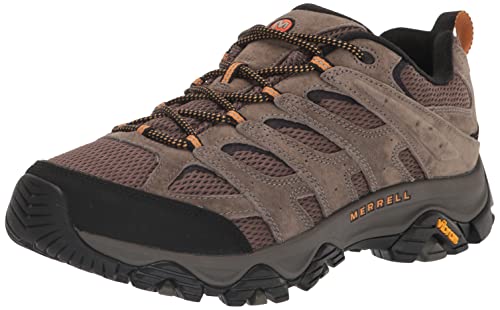
| Merrell Moab 3 (GTX and Ventilator) | 385g / 13.6 oz | Vibram TC5+ / 5mm | Gore-Tex option or non-waterproof mesh | Suede + mesh | Kinetic Fit Base insole, EVA midsole / 10mm drop | 10-15 miles |
| Salomon X Ultra 4 GTX | 380g / 13.4 oz | Contagrip MA / 4.5mm | Gore-Tex | Synthetic + mesh | EVA + Advanced Chassis / 10mm drop | 15-25 miles |
| Keen Targhee III | 400g / 14.1 oz | Keen All-Terrain / 4mm | Keen.Dry option | Leather + mesh | EVA midsole / 10mm drop | 10-20 miles |
| La Sportiva Ultra Raptor II GTX | 390g / 13.8 oz | Vibram FriXion Blue / 5mm | Gore-Tex Surround | Mesh + synthetic overlay | EVA with TPU shank / 9mm drop | 20-30 miles |
| Hoka Anacapa Low GTX | 340g / 12.0 oz | Vibram Megagrip / 4mm | Gore-Tex | Leather + recycled mesh | Compression-molded EVA, 28mm stack / 6mm drop | 5-15 miles |
| Danner Trail 2650 Mesh | 310g / 10.9 oz | Vibram 460 / 3.5mm | Non-waterproof (GTX version available) | Textile mesh + suede | EVA + Plyolite / 8mm drop | 5-10 miles |
General market range for these types in 2026 is $130 to $250. Waterproof Gore-Tex versions typically cost $20-$40 more than non-waterproof versions of the same model.
Decision Matrix: Which Shoe for Your Situation
Match your most common hiking conditions to the category, not just the brand.
| If You Hike Mostly On… | Your Priority Is… | Best Match | Why |
|---|---|---|---|
| Muddy forest, wet grass, rainy climate | Waterproofing and mud shedding | Salomon X Ultra 4 GTX or Merrell Moab 3 GTX | Sealed membrane, deeper lugs, and closed mesh keep feet dry longer |
| Rocky, technical mountain trails | Grip and toe protection | La Sportiva Ultra Raptor II GTX | Sticky FriXion rubber, TPU shank, and reinforced toe cap for scree |
| Dry, maintained national park trails | Lightweight comfort and breathability | Danner Trail 2650 Mesh or Hoka Anacapa Low | Low weight, high cushioning, and quick drying for long miles |
| Mixed terrain, occasional day hikes, wide feet | All-around comfort and forgiving fit | Keen Targhee III or Merrell Moab 3 Ventilator | Roomy toe box, moderate cushioning, and easy fit for varied foot shapes |
| Long distance, high mileage, joint sensitivity | Maximum cushioning | Hoka Anacapa Low GTX | Higher stack height and lower drop reduce fatigue on descents |
Fit and Sizing Calculation: How to Avoid Blisters
Most hiking discomfort comes from incorrect sizing, not lack of features. Use this quick method at home:
- Measure in the afternoon when feet are slightly swollen. Stand on paper, trace both feet, and measure the longest distance in millimeters.
- Add 10-12mm (about a thumb’s width) to your longest foot measurement for downhill toe room. This typically means buying a half size larger than your casual shoe size.
- Check width: If your foot width is more than 100mm for a men’s US 9 or 92mm for a women’s US 8, look for wide (2E) versions offered by Merrell, Keen, and Hoka.
- Test with hiking socks. A 6mm thick merino hiking sock adds roughly one-third of a size in volume compared to thin cotton socks. Always fit shoes with the socks you will actually hike in.
- Lace lock: Use a heel lock (runner’s loop) to prevent heel slip without overtightening the forefoot. This reduces friction blisters on descents by keeping the foot from sliding forward.
General information note: If you have persistent foot pain, diabetes-related foot sensitivity, or structural foot conditions, get fitted at a specialty outdoor store and consult a medical professional before choosing low-drop or highly cushioned models.
Durability and Ownership Realities
Hiking shoes wear in predictable places. Knowing what fails first helps you maintain them and decide when to replace.
- Outsole wear: Rubber lugs smooth down after 400-600 miles on rock. Once the heel edge is rounded and lug depth is under 2mm, wet grip drops sharply.
- Midsole compression: EVA foam loses about 20-30% of its cushioning after 500 miles. If you feel more ground impact or new knee ache, the midsole is likely packed out even if the tread looks okay.
- Waterproof membrane failure: GTX linings typically keep full waterproofing for 1-2 seasons of regular use. The failure point is usually the tongue gusset or flex crease. Re-waterproofing with DWR spray restores beading on the outer fabric but does not fix a torn internal membrane.
- Upper delamination: Glue between the sole and upper separates first at the toe bend. Dry shoes at room temperature, never next to direct heat, to prevent adhesive breakdown.
Cleaning and Care Steps
Proper care extends life and maintains grip and waterproofing:
- Knock off dried mud, then wash with lukewarm water and a soft brush. Do not use detergent or machine wash, which degrades DWR coating.
- Remove insoles and laces to air dry. Stuff with newspaper for 8-12 hours to absorb moisture from inside.
- Reapply DWR spray to waterproof models every 3-4 months of frequent use, after cleaning.
- Replace insoles every 300-400 miles if they compress or develop odor that washing does not remove. This is a low-cost consumable that restores comfort.
Common Mistakes to Avoid
- Buying too small to achieve a snug fit. Toes should not touch the front when walking downhill.
- Choosing heavy, stiff leather boots for well-maintained summer trails, which causes overheating and unnecessary fatigue.
- Skipping break-in hikes. Do two or three 3-5 mile walks before a long trip to reveal hot spots.
- Using waterproof shoes in hot desert conditions, where trapped sweat causes more blisters than external moisture.
Final Picks by Hiker Profile
Best for Beginners and Wide Feet
Merrell Moab 3 and Keen Targhee III are consistently forgiving for first-time buyers. They offer wide sizing, minimal break-in, and balanced grip that handles most day-hike terrains without a harsh learning curve.
Best for Grip on Rock and Technical Terrain
La Sportiva Ultra Raptor II and Salomon X Ultra 4 lead on sticky rubber and stability features. Choose them if your routes include scrambling, wet rock, or loose gravel where a slip has higher consequences.
Best for Lightweight Comfort on Long Miles
Hoka Anacapa Low and Danner Trail 2650 are lightest in this comparison at 310-340g per shoe. They reduce leg fatigue and dry quickly, making them ideal for dry climates, travel, and hikers who prioritize cushioning over maximum armor.
Frequently Asked Questions
Do I need hiking boots or are hiking shoes enough?
For most maintained trails with a light daypack under 15 pounds, low-cut hiking shoes are enough and more comfortable. Choose mid-cut boots only if you regularly carry 25+ pounds, hike off-trail, or have a history of ankle instability that a professional has advised you to support.
Should hiking shoes be waterproof?
Waterproof shoes keep feet dry in rain, dew, and shallow puddles for the first few hours, but once water goes over the collar they stay wet longer than non-waterproof shoes. If you hike mainly in summer heat or desert, non-waterproof is often more comfortable.
How often should I replace hiking shoes?
Most synthetic hiking shoes last 400-700 miles depending on terrain and body weight. Rocky terrain wears outsoles faster, while heavier loads compress midsoles sooner. Replace when tread is smooth, cushioning feels flat, or the shoe no longer holds its shape around the heel.