Key takeaways
- Prioritize: double-wall construction, compression seals around doors, a sloped roof, and elevated flooring.
- Check carefully: whether the stated insulation applies to the roof and floor as well as the walls.
- Expect: a permanent installation, a stronger foundation, and transport costs that may rival the blind itself.
The best luxury hunting blinds for deer and turkey season are insulated hard-sided blinds for long sits, elevated tower blinds for visibility, and spacious multi-person enclosures when comfort and shared hunting matter more than portability.
Premium blind buyers should compare more than camouflage and price. The useful questions are whether the blind stays quiet when a window opens, remains comfortable through a cold morning, hides movement from multiple angles, and can be transported, installed, and maintained without turning every season into a construction project.
Our top picks

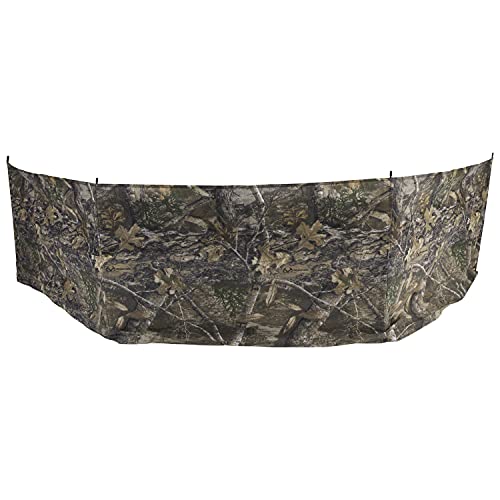
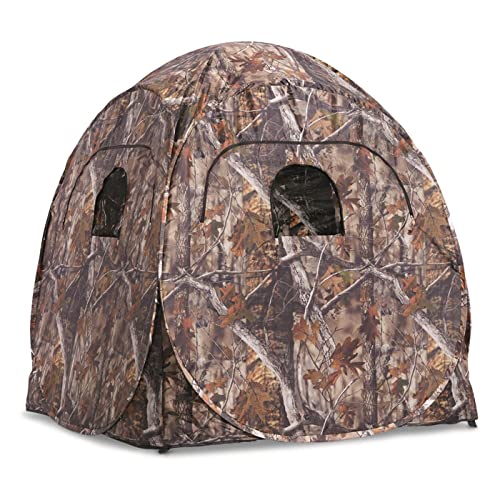
As an Amazon Associate we earn from qualifying purchases at no extra cost to you.
Quick comparison of the leading luxury blind types
| Blind type | Typical interior | Approx. weight | Best capacity | Insulation and weather protection | Setup demand |
|---|---|---|---|---|---|
| Insulated ground blind | 5 × 5 to 6 × 6 ft | 90–180 lb | 2 adults | Foam-backed fabric or composite walls; good wind protection | Low to moderate |
| Hard-sided tower blind | 4 × 6 to 6 × 8 ft | 350–900 lb | 2–4 adults | Insulated composite or molded panels; strongest long-term protection | High; requires tower, anchors, and lifting equipment |
| Soft-sided hub blind | 5 × 5 to 6 × 6 ft | 15–35 lb | 1–2 adults | Water-resistant fabric; limited thermal insulation | Low; usually minutes rather than hours |
| Large enclosed tower blind | 6 × 8 to 8 × 8 ft | 600–1,200 lb | 3–6 adults | Best insulation, roof coverage, and all-weather comfort | Very high; normally a permanent or semi-permanent installation |
These are useful planning ranges rather than specifications for one particular model. Wall construction, window hardware, flooring, and tower height can substantially change the final weight and cost.
Best choice for cold-weather deer season: an insulated hard-sided blind
For repeated deer hunts in freezing conditions, a hard-sided blind with insulated walls is usually the strongest luxury purchase. Look for 1 to 2 inches of closed-cell foam, composite or molded wall panels, a roof with a genuine insulated core, and a sealed floor that sits above wet ground.
Insulation will not replace a safe heating plan, but it reduces heat loss and makes long sits less punishing. It also dampens sound. That matters because thin metal or unlined plastic can amplify a boot scraping the floor, a chair moving, or a rifle contacting a window ledge.
- Prioritize: double-wall construction, compression seals around doors, a sloped roof, and elevated flooring.
- Check carefully: whether the stated insulation applies to the roof and floor as well as the walls.
- Expect: a permanent installation, a stronger foundation, and transport costs that may rival the blind itself.
A luxury deer blind should also have enough depth behind the shooting windows for a chair, firearm, and two hunters to move without bumping one another. A nominal six-person rating can be optimistic; for quiet archery or rifle hunting, plan on roughly 18 to 24 square feet of usable floor area per adult if comfort matters.
Best for several hunters: a large enclosed tower blind
If a parent hunts with children, several adults share a property, or the blind will serve as a season-long base, choose a 6 × 8 ft or larger enclosed blind rather than squeezing extra seats into a compact model. The additional space provides better concealment because hunters can remain farther from the windows and shift position without appearing as a silhouette.
Pay attention to window placement, not just window count. A blind with four narrow shooting windows may conceal movement better than one with a continuous panoramic opening. For a group, vertical windows at different heights are especially useful: a standing adult, seated rifle hunter, and youth hunter need not all use the same sightline.
Features that make a multi-person blind work
- At least two independent shooting directions for deer, with a separate low-angle opening for turkey.
- Quiet hinges, fabric-covered latches, and padded window rests.
- Enough seat clearance to avoid contacting walls when turning.
- Interior storage that keeps binoculars, calls, and ammunition off the floor.
- A door wide enough for bulky clothing and a chair, ideally opening outward.
A large blind is not automatically better for turkey. Turkeys can approach from unexpected angles, and a wide field of view is valuable. However, large windows can expose movement, so choose adjustable curtains or overlapping silent flaps rather than leaving every opening fully uncovered.
Best for quiet windows and concealment
Window noise is one of the most important differences between an ordinary blind and a premium one. Rigid sliding panes can be weatherproof but noisy; fabric flaps can be quiet but may move in wind. The best compromise is a silent or damped window system with adjustable openings, dark interior surfaces, and no shiny hardware facing the field.
For deer, the blind should break up the outline of a person and prevent backlighting. Dark ceilings and matte interior walls help. For turkey, concealment is more demanding because birds may look directly at the blind. Avoid sudden exposure when opening a window, and select a blind with narrow vertical shooting ports or interior curtains that can be adjusted gradually.
Camouflage is only part of concealment. A new blind can carry manufacturing odors, while a recently disturbed access path can reveal human activity. Set it up well before the hunt when regulations and land conditions permit, brush the exterior into the surroundings without blocking ventilation, and keep the entry route consistent.
Decision matrix: which premium blind fits your situation?
| Your situation | Best fit | Why | Main compromise |
|---|---|---|---|
| First-time owner with a limited budget | Insulated ground blind | Comfortable upgrade without tower construction | Less visibility and less permanent security |
| Frequent deer hunting on one property | Hard-sided tower blind | Best weather resistance and repeat-use comfort | Transport and installation are expensive |
| Occasional turkey trips or leased land | Premium soft-sided hub blind | Easy to move and quick to deploy | Weakest insulation and wind stability |
| Two adults plus children | 6 × 8 ft or larger enclosed blind | Room for movement, seating, and gear | Higher weight and a larger visual footprint |
| Wet, windy ground | Elevated insulated blind | Dryer floor and stronger wind protection | Requires anchoring and more planning |
Weatherproof materials and comfort features worth paying for
For permanent blinds, molded fiberglass, rot-resistant composite panels, or sealed structural panels generally demand less maintenance than untreated wood. Wood can be comfortable and repairable, but every cut edge, roof seam, and floor joint needs protection from moisture. Metal can be durable yet noisy and prone to condensation unless it is insulated and properly finished.
Look for a roof overhang, drip edges, replaceable door seals, corrosion-resistant fasteners, and a floor designed to drain rather than trap water. A raised floor helps, but it must be anchored against wind. Do not assume a heavy blind is windproof; its center of gravity, tower bracing, and anchor system matter more than weight alone.
Comfort features with practical value include adjustable seats, a flat floor, silent LED lighting, a fold-down shelf, ventilation that can be closed against wind, and enough headroom to change position without brushing the ceiling. A small 12-volt system can power lights or a fan, but protect wiring from condensation and rodents. A 10 Ah battery running a 2-watt light would theoretically provide about 50 hours before losses; in practice, allow less and keep a reserve.
Installation: the hidden cost of a luxury blind
Before buying, measure access from the property entrance to the hunting site. A blind that fits the clearing may not fit through a gate, across a bridge, or between trees. Confirm whether a trailer, tractor, winch, or several adults will be needed.
- Choose the site and confirm regulations. Check local rules for baiting, firearm direction, elevated structures, public-land placement, and seasonal removal.
- Prepare drainage. Use compacted gravel, treated supports, or an engineered base rather than placing the floor directly on soil.
- Anchor before furnishing. Install the tower and tie-down system before adding seats, shelves, or batteries.
- Check sightlines from a seated position. Windows should align with the actual shooting or calling posture, not only with a standing person outside.
- Test every moving part quietly. Open windows, close the door, and shift chairs while wearing hunting clothing.
Ownership realities: what wears first
Window seals, zipper tracks, fabric hinges, roof seams, and seat hardware usually show wear before the main walls do. Inspect them at the end of each season, not the night before opening day. Replace compressed seals, lubricate only hardware that the manufacturer permits, and avoid oil on fabric or camouflage surfaces because it can attract dust and create odor.
Dry soft-sided blinds completely before storage. Clean hard-sided interiors with mild soap and water, then leave doors and windows open until all moisture has evaporated. Do not pressure-wash seals or use strong solvents on window panels. Inspect the roof after heavy snow, check tower bolts for movement, and look for rodent damage around wiring and insulation.
One common mistake is buying the largest blind that can fit on paper. Extra volume increases transport difficulty, heating demand, wind load, and visual exposure. The better purchase is the smallest blind that accommodates the actual hunting group, equipment, and clothing without forcing noisy movement.
Bottom line
Choose an insulated hard-sided tower blind for frequent cold-weather deer hunting, a spacious enclosed blind for families and groups, and a premium soft-sided hub blind when mobility and turkey versatility matter most. Whatever the style, prioritize quiet adjustable windows, genuine roof-and-floor insulation, sealed weatherproof construction, and an installation plan you can maintain for years. Those details—not camouflage alone—separate a luxury hunting blind from an expensive shelter.