Key takeaways
- Best Overall Outdoor Brand: Spalding Street Outdoor Basketball, 29.5 inch
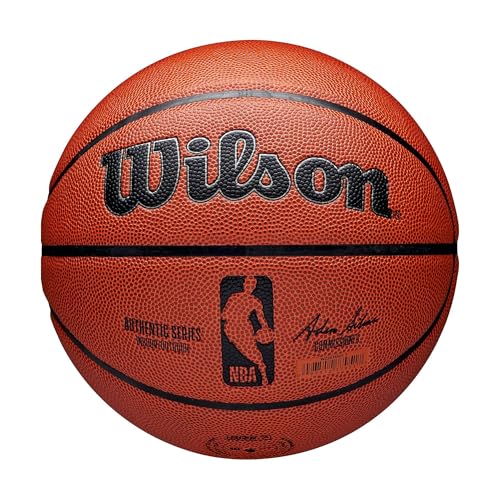
- Best for Feel and Mixed Use: Wilson NBA Forge Indoor/Outdoor Basketball, size 7
- Best Value Playground Ball: Nike Everyday Playground 8P
- Best Budget Rubber Ball: AND1 Chaos Rubber Basketball, 29.5 inch
- Best for Schools and Groups: Champion Sports Rubber Official Basketball
- Best Bundle with Pump: Senston 29.5 inch Outdoor Basketball with pump
The best basketball brand for a driveway or backyard hoop is Spalding if your surface is concrete or asphalt, and Wilson if you want a softer, composite-cover ball for a smooth patio or a mixed indoor-outdoor routine. Spalding’s Street Outdoor ball is a rugged rubber ball built for rough pavement, while Wilson’s NBA Forge Indoor/Outdoor is the pick when feel matters as much as durability. This guide compares six basketball brands and one representative ball from each, with a buying guide for matching ball, size and surface.
Backyard players have different needs than gym players. The ball lives outside, is bounced on coarse driveways, gets left on the lawn and ends up under a patio table. We cover what separates rubber, composite and leather covers, which sizes suit which ages, and how to keep a ball alive through summer sun and winter cold. This guide is research-based. We did not personally use these products; we compared the listings, maker specifications and published outdoor-ball reviews.
Our top picks


As an Amazon Associate we earn from qualifying purchases at no extra cost to you.
Top Picks at a Glance
- Best Overall Outdoor Brand: Spalding Street Outdoor Basketball, 29.5 inch
- Best for Feel and Mixed Use: Wilson NBA Forge Indoor/Outdoor Basketball, size 7
- Best Value Playground Ball: Nike Everyday Playground 8P
- Best Budget Rubber Ball: AND1 Chaos Rubber Basketball, 29.5 inch
- Best for Schools and Groups: Champion Sports Rubber Official Basketball
- Best Bundle with Pump: Senston 29.5 inch Outdoor Basketball with pump
| Brand and ball | Best for | Key specs | Watch for | Price tier |
|---|---|---|---|---|
| Spalding Street Outdoor | Concrete and asphalt | 29.5 inch; outdoor ball; rubber cover per maker reviews | Stiff until broken in | Mid-range |
| Wilson NBA Forge Indoor/Outdoor | Feel plus durability | Size 7, 29.5 inch; composite cover; indoor/outdoor | Composite wears faster on rough pavement | Mid-range |
| Nike Everyday Playground 8P | Casual family play | Playground ball; rubber cover per reviews | Specs sparse on the listing | Budget |
| AND1 Chaos Rubber | Streetball on a budget | 29.5 inch regulation size; rubber | Basic feel | Budget |
| Champion Sports Rubber Official | Schools, camps | Heavy-duty rubber; pro-style; sizes vary | Plain look | Budget |
| Senston Outdoor with pump | Starter bundle | 29.5 inch; premium grip; includes pump | Less-known brand | Budget |
1. Spalding Street Outdoor Basketball: Best overall for driveways
- Size: 29.5 inch (men’s size 7); a 28.5 inch version is also sold
- Use: outdoor
- Cover: rubber with deep channels per published reviews
- Brand heritage: long-time official NBA ball supplier before Wilson
- Maker: Spalding
Best for: driveway and blacktop players who want one rugged ball that handles coarse surfaces.
Skip if: you play mostly on a smooth indoor floor, where a composite ball feels better.
Spalding has made basketballs for more than a century and supplied the NBA game ball for decades before Wilson took over the league contract. The Street line is the brand’s outdoor answer: a rubber cover with deep channels meant to survive concrete and asphalt, which chew through composite covers quickly.
Rubber has a trade-off. It is stiffer and slightly slick when new, and a published review notes it feels firm until broken in. Dribble it around the yard for a few days and the feel improves. In return you get a ball that tolerates being bounced on gravel-edged driveways.
Spalding sells the Street ball in 29.5 inch and 28.5 inch sizes, plus colored Phantom versions that are easier to find on a lawn. If the ball will be used by teens and adults, 29.5 is standard; the 28.5 inch size suits younger players.
Pros
- Built for concrete and asphalt
- Deep channels for grip
- Multiple sizes and colors
- Established brand
Cons
- Firm out of the box
- Not the best indoors
2. Wilson NBA Forge Indoor/Outdoor Basketball: Best for feel and mixed use
- Size: 7 (29.5 inch)
- Use: indoor and outdoor
- Cover: composite per maker reviews (a microfiber composite on the Pro version)
- Brand heritage: current official NBA ball supplier
- Maker: Wilson
Best for: players who split time between a garage court, a patio and the gym.
Skip if: your surface is rough asphalt every day; a rubber ball will last longer.
Wilson is the NBA’s official game ball supplier, which is why its NBA-branded line is popular. The Forge sits at the entry of that range and uses a composite cover, so it feels closer to a real game ball than a rubber playground ball.
Composite wears faster than rubber on coarse pavement, which is the key trade-off for outdoor use. If you play on smooth sealed concrete, a painted patio court or a sport tile surface, the Forge is a good fit. If your driveway is rough, buy a rubber ball for the yard and keep the Forge for smoother surfaces.
Wilson also sells the Forge Pro, a pricier version, and the DRV line of outdoor balls that is cheaper and more rubber-like, so you can step up or down inside one brand.
Pros
- Better feel than rubber
- Dual-use cover
- Official-league brand name
- Several tiers in one brand
Cons
- Wears faster on rough pavement
- Costs more than rubber balls
3. Nike Everyday Playground 8P: Best value playground ball
- Use: playground and casual outdoor play
- Cover: rubber per a published review
- Panels: 8P is Nike’s eight-panel design
- Sizes: the listings offer multiple versions
- Maker: Nike
Best for: families and casual players who like a recognizable brand at a modest price.
Skip if: you want detailed spec sheets; the listings are brief.
Nike does not supply the NBA game ball, but its playground basketballs are popular for casual play. The Everyday Playground 8P is a basic eight-panel ball described by one reviewer as durable on rougher surfaces with good grip.
The materials are not stated in detail on the listing, so we avoid claiming more than the review says. It sits in the same use category as the Spalding Street: a ball meant to be played with, not babied.
If you want a step up inside Nike, the Elite All-Court is also listed as an indoor/outdoor ball, though pricier, and another published description gives it an 85 percent rubber, 15 percent synthetic leather blend.
Pros
- Familiar brand
- Meant for rough play
- Budget-friendly
Cons
- Sparse listing details
- Not an upgrade over Spalding Street for rough pavement
4. AND1 Chaos Rubber Basketball: Best budget rubber ball
- Size: 29.5 inch regulation
- Cover: rubber
- Use: indoor and outdoor streetball
- Brand: AND1
- Positioning: game ready, office-size
Best for: anyone who wants a full-size ball without spending much.
Skip if: you want a premium feel.
AND1 built its name on streetball culture, and the Chaos ball matches that: a plain rubber ball in regulation size. At this price tier you should expect a firm feel and few frills, but the ball is sized correctly for adult play.
Rubber covers do not mind the weather. Leave this ball on the patio for an afternoon and it will not warp the way leather does, though you should still keep it out of direct heat.
It is a good pick for a spare ball: one to keep by the hoop, in the garage or in the car.
Pros
- Regulation size
- Inexpensive
- Weather tolerant rubber
Cons
- Basic feel
- Fewer finishing details
5. Champion Sports Rubber Official Basketball: Best for schools and groups
- Cover: heavy-duty rubber
- Style: pro-style
- Sizes: official, junior and mini versions
- Use: indoor and outdoor
- Brand: Champion Sports
Best for: classrooms, camps, clubs and anyone buying several balls.
Skip if: you want brand cachet.
Champion Sports sells in bulk to schools, which is where you see its balls most. The heavy-duty rubber is designed to survive a gym class, a bus ride and a weekend of use.
The size options matter: the official, junior and mini versions let you fit different ages from the same brand, so the same maker can cover a family with kids of mixed ages.
Brand name recognition is limited compared with Wilson or Spalding, so judge it as a tool rather than a status ball.
Pros
- Multiple sizes
- Rugged rubber
- Low price
Cons
- Low name recognition
- Basic look
6. Senston 29.5 inch Outdoor Basketball with Pump: Best bundle with pump
- Size: 29.5 inch
- Use: outdoor
- Includes: pump
- Positioning: premium grip, good bounce
- Brand: Senston
Best for: first-time buyers who need a ball and a pump in one purchase.
Skip if: you want a major sports brand.
The bundle approach is useful: new basketballs ship under-inflated, and many buyers do not own a pump. Senston includes one.
The brand is less well known than the first four, so there are fewer independent sources to cite. Treat it as a value choice and read the listing for details.
As with all outdoor balls, check pressure monthly. A ball that is under-inflated bounces poorly and wears unevenly.
Pros
- Pump included
- Regulation size
- Low price
Cons
- Lesser-known brand
- Fewer independent sources
Also Consider
Wilson NBA DRV Outdoor Basketball
A cheaper rubber ball from Wilson, sold in sizes 5, 6 and 7. A good choice if you like the brand but play on rough ground.
Spalding Varsity TF-150 Outdoor
Spalding’s entry-level outdoor ball, listed at 29.5 inches. Cheaper than the Street, meant for casual use.
Spalding Zi/O Excel Indoor-Outdoor
A composite ball that targets mixed indoor and outdoor play, similar in spirit to the Wilson Forge.
Nike Elite All-Court
A step up in the Nike range, listed as an indoor/outdoor ball in size 7.
How We Chose
This is a research-based guide. We did not personally use these balls. We began with the basketballs currently sold under each brand, then read maker listings and independent outdoor-ball roundups from sites such as Hoop Dojo, Awesome Hoops and Hoops Beast. We selected one representative ball per brand, covered rubber and composite covers, and kept the focus on outdoor use for homeowners with a driveway, patio or backyard court. Where a listing did not state a material, we say so rather than guess.
Buying Guide
Cover material: rubber, composite or leather
Rubber is the toughest and cheapest and is what most outdoor balls use. Composite feels closer to a game ball but wears faster on coarse surfaces. Genuine leather is for indoor courts; moisture, grit and sun damage it quickly.
Size by age
Size 7 (29.5 inches) is the standard for boys and men from about 14 up. Size 6 (28.5 inches) is for women and for youth roughly 9 to 13. Size 5 (27.5 inches) is for younger children. Mini and toddler balls are smaller still. Check the league your family joins; many follow these standards.
Surface matters more than brand
A rubber Spalding Street and a rubber AND1 will behave much more alike than a rubber ball and a composite one. Decide on the surface first. Rough asphalt calls for rubber. Smooth sealed concrete or sport tile allows composite.
Inflation and weather
Check pressure monthly; most outdoor balls need to be inflated to a range printed near the valve. Heat raises pressure and cold lowers it, so adjust seasonally. Keep balls out of direct sun and below freezing when you can.
Care and storage
Wipe the ball after play, store it indoors or in a deck box, and avoid leaving it on the hot lawn. A small outdoor storage bench near the hoop keeps it dry.
Which Surface Pairs With Which Ball
| Surface | Best cover | Best brand pick | Why |
|---|---|---|---|
| Rough asphalt driveway | Rubber | Spalding Street | Deep channels, tough cover |
| Smooth sealed concrete | Rubber or composite | Wilson NBA Forge | Better feel on smooth ground |
| Sport tile patio court | Composite | Wilson Forge or Spalding Zi/O | Gentle on cover |
| Mixed garage and gym | Composite | Wilson Forge | Handles both |
| School or camp | Rubber | Champion Sports | Replaceable, sizes for all ages |
Common Mistakes to Avoid
- Buying a leather or composite ball for rough asphalt.
- Ignoring size and giving kids a size 7.
- Leaving the ball in a hot car or on frozen ground.
- Skipping inflation checks.
- Paying for NBA branding when a rubber ball is the right tool.
- Forgetting a pump.
Frequently Asked Questions
What is the best basketball brand?
Spalding and Wilson are the two most established. Spalding is the safer choice for rough outdoor surfaces, while Wilson’s composite balls feel better on smoother ground.
Is Spalding or Wilson better for outdoor play?
For rough pavement, Spalding’s rubber Street line is the stronger fit. Wilson’s DRV is a rubber outdoor ball if you prefer the brand.
Is Nike a good basketball brand?
Nike makes solid playground balls, but its basketball reputation comes mostly from shoes and apparel. For serious ball buying, Spalding and Wilson offer more specs.
What size basketball should I buy?
Size 7 (29.5 inch) for teens and adults, size 6 (28.5 inch) for women and many youths, size 5 (27.5 inch) for younger kids.
Can I use an indoor basketball outside?
You can, but leather and some composite covers wear fast outdoors. Choose a ball labeled outdoor or indoor/outdoor.
How long does an outdoor basketball last?
It depends on the surface and use. Rubber balls on rough pavement can last a season or more, while composite balls may wear sooner.
How often should I inflate a basketball?
Check monthly and before important games. Follow the pressure range printed near the valve.
Setting Up the Backyard Court Around the Ball
Choose the playing surface deliberately
Most homeowners inherit their surface rather than choose it, but if you are planning a new pad, the surface decides how long every ball lasts. Smooth sealed concrete is gentle on covers and gives a true bounce. Broom-finished concrete and asphalt are rougher and wear a ball in a single season of heavy use. Modular sport tiles, the interlocking squares sold for garage floors and patios, are the kindest to composite balls and also reduce joint strain. Grass and dirt are the worst combination: a ball picks up moisture and grit, and the bounce is inconsistent. If your hoop stands on a lawn edge, keep a rubber ball for everyday play and save any nicer ball for the pad.
Think about where the ball lives
Garden players lose more basketballs to neglect than to play. A ball left on a lawn takes on moisture and heat; a ball left against the house catches the afternoon sun; a ball that rolls into a flower bed will be scuffed by mulch and thorny stems. A simple solution is an outdoor storage bench or deck box near the hoop, where balls, a pump and a small towel stay dry. If you already have a bench or patio storage, a mesh ball bag on a hook by the garage door is nearly free.
Rim height, hoop type and ball choice
Portable hoops and in-ground hoops have a 10 foot standard rim height, but many families lower it for kids. A smaller ball makes this much more fun: a size 5 or 6 ball and an 8 foot rim give younger players successful shots and better form. Moving up to size 7 and 10 feet when they grow is cheap with a rubber ball, because you can keep the smaller one for practice.
Neighbors and noise
Outdoor basketball is loud. A harder rubber ball makes a heavier thud on a backboard than a softer composite ball. If you share walls or play late, consider a quieter ball, a backboard pad and an evening cut-off time. A quick conversation with neighbors saves more trouble than any equipment.
Seasonal care
In summer, avoid leaving balls in a hot shed or car. Pressure rises with heat, and a very hot ball can bulge at the seams. In winter, cold lowers pressure and makes rubber stiff; bring the ball indoors for an hour before play and top up the air. Dry the ball after wet weather, but do not use a heater or hair dryer on it.
Brand Heritage in Plain Terms
Brand names matter less for a driveway ball than for a league ball, but the history explains why these names show up in every roundup. Spalding supplied the NBA game ball for many years before Wilson took over the league contract. That history is why Spalding’s outdoor and indoor-outdoor lines are so widely sold. Wilson now makes the NBA ball and has extended its NBA-branded line into cheaper indoor/outdoor and outdoor models, including the Forge and DRV lines. Nike is mostly known for shoes and apparel, but it sells playground and elite basketballs as well. AND1 grew out of streetball culture and still focuses on inexpensive rubber balls, and Champion Sports supplies schools and rec centers. None of these names guarantees a better ball for your court; the cover and size do.
How Long Should a Backyard Basketball Last?
We did not find a manufacturer-stated lifespan for any of these balls, and published roundups give wide ranges. As a practical rule, a rubber ball on rough pavement with daily play may need replacing after one to two seasons, a rubber ball on smooth concrete with weekend play can last longer, and a composite ball on rough asphalt can show visible wear within weeks of heavy use. Signs that it is time to replace: the pebbled texture is worn smooth, the channels are flattening, the ball does not hold air for more than a few days, or it bounces unevenly. A new ball is cheap compared with the frustration of a dead bounce.
Quick Decision Guide by Player
Kids under 10
Start with a size 5 ball such as Wilson’s DRV in size 5 or Spalding’s Rookie Gear youth ball, and a lowered rim. Rubber covers are forgiving, cheap and easy to replace as the child grows.
Teens and adults playing pickup
Go with a size 7 rubber ball for the driveway, such as the Spalding Street, and keep a second composite ball like the Wilson Forge for smooth surfaces and the gym. Two balls last longer than one that does everything.
Women and older youth
Size 6 at 28.5 inches is the usual standard. Both Spalding and Wilson sell outdoor models in this size, so you can stay with the brand you prefer.
Families sharing a single ball
Choose a durable rubber ball in size 7 and a size 5 or 6 for younger players. A pump with a needle adapter and a small gauge makes pressure checks easy.
Gift buyers
A recognizable brand and a clear size label matter most. Wilson and Spalding are safe, widely recognized names. Add a pump, a ball bag, or a deck box for storage to make a better gift set.
What the Listings Do Not Tell You
Product pages for basketballs are short, and several details that matter outdoors are rarely stated. Weight is usually the same across sizes of the same class, but cover thickness, carcass construction and bladder type are not listed for most of these balls. Bladder quality drives how long a ball holds air: a butyl bladder holds pressure longer than a natural rubber one, but we could not confirm the bladder type on these listings, so we do not claim it. Seam depth and channel width affect grip, and again are best judged in person. If grip is your priority, look at photographs of the pebble pattern and read buyer questions before you commit. Finally, colors: bright orange, neon blue and pink show up easily on grass and dusk courts, which helps you find a ball that rolled into the hedges.
Which One Should You Buy?
If you play on a driveway, buy the Spalding Street. If you split between a smooth patio and the gym, buy the Wilson NBA Forge. If you simply want a cheap ball for the yard, AND1 or Nike’s Everyday Playground does the job. Buying for a group, Champion Sports rubber balls are practical. Starting from nothing and need a pump, the Senston bundle gets you playing today.
Sources
- Spalding basketball product pages and maker information
- Wilson basketball product pages and NBA ball supplier information
- Hoop Dojo: Best Outdoor Basketballs
- Awesome Hoops: Best Outdoor Basketball
- Hoops Beast: Best Outdoor Basketballs
Last updated: October 2026