Nothing extends patio season like fire, but the choice between a fire pit table and a standalone fire pit trips up a lot of deck owners. One doubles as a surface for drinks and doubles as a centerpiece; the other throws more heat and often costs less. The right pick depends on your deck material, how you entertain, and local fire rules.
This 2026 guide compares both formats head to head and rounds up the propane models worth buying, so you can pick a design that keeps your deck safe and your guests warm well into autumn.
Our top picks
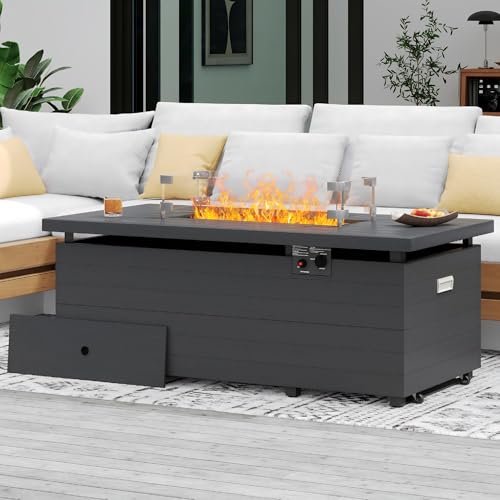
 Ciays 42 Inch Gas Fire Pit Table
- Product Style: Rock
- Shape: Rectangular
- Material Type: Alloy Steel

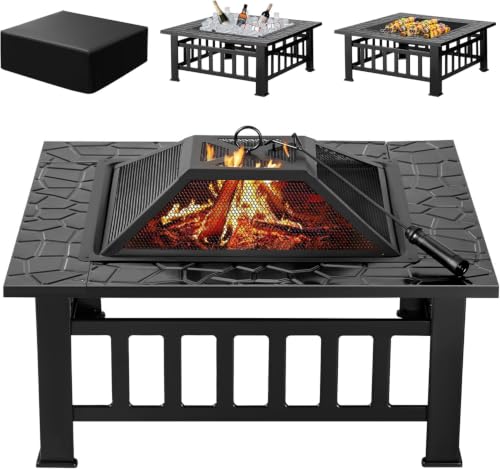 Devoko Outdoor Fire Pit
- [ Top-notch Material ]: Outdoor fire pit is…
- [ 3-in-1 Fire Pit ]: Multi-functional design concept…
- [ Reliable Security ]: Firepit table features square…

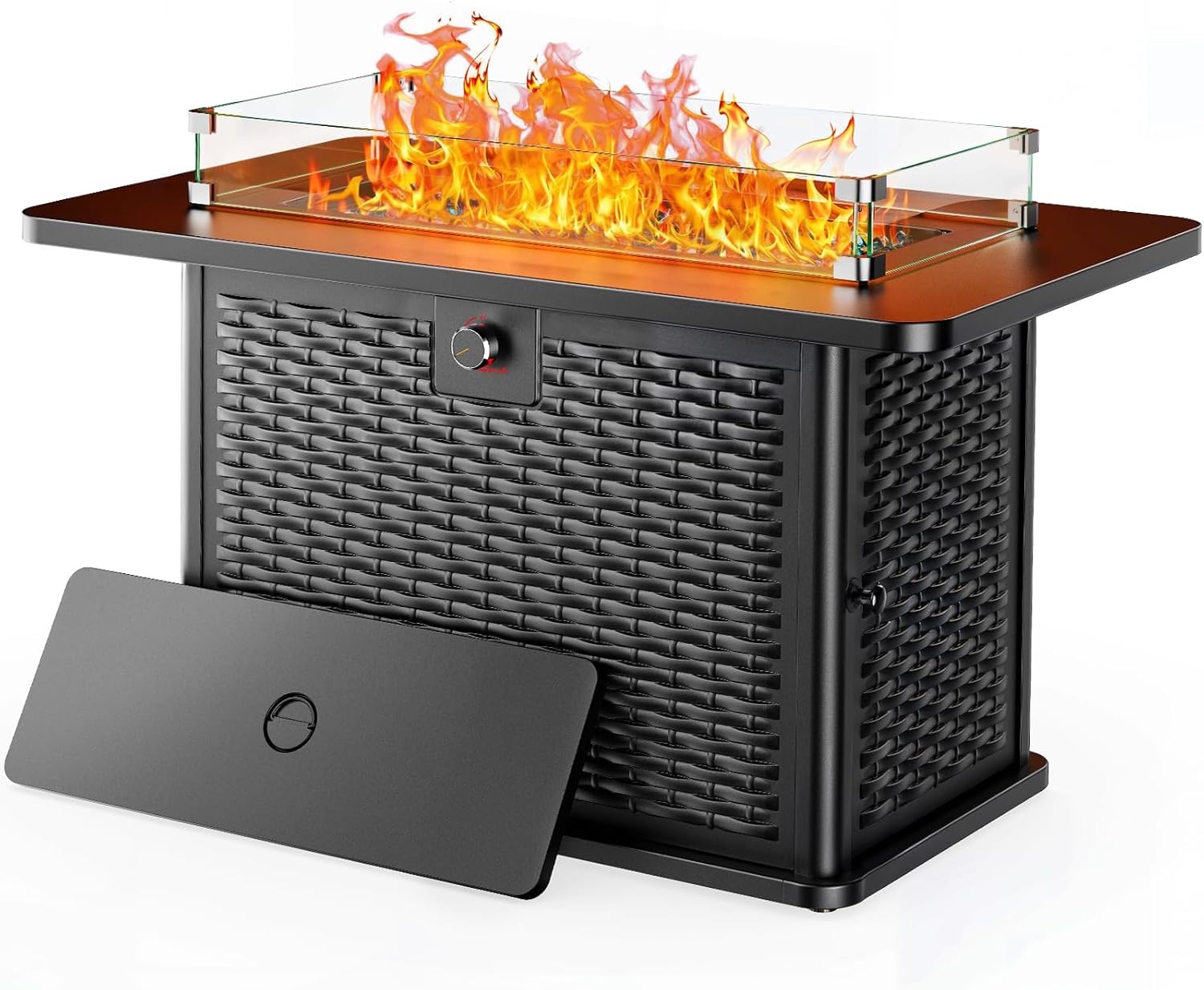 Ciays 43-Inch Rectangular Propane Fire Pit with
- Product Style: 43"-Rectangular With windshield
- Shape: Rectangular
- Material Type: Alloy Steel

As an Amazon Associate we earn from qualifying purchases at no extra cost to you.
⚡ Save on Your Next PC — Amazon Prime
Prime members get fast free shipping on the systems above, plus early access to Prime Day & Black Friday PC deals. New members get a 30-day free trial.
Watch: Fire Pit Table vs. Standalone Fire Pit: Which is Best for Your Deck? — Video Review
How to Choose
- Deck safety: On wood or composite decks, favor propane tables with an enclosed base and a heat barrier; open wood-burning pits are risky and often banned.
- Primary use: Want a coffee-table surface plus flame? Choose a fire pit table. Want maximum heat and a campfire vibe? A standalone pit wins.
- BTU output: 40,000 to 60,000 BTU comfortably warms a small deck group; higher output covers larger, more exposed spaces.
- Fuel: Propane is clean, instant, and smoke-free for decks; wood burning is cozier but messy and smoky.
- Wind management: A wind guard keeps the flame steady and protects the burner on exposed decks.
The Best Picks Reviewed
Sundale Outdoor 51-Inch Rectangle Propane Fire Pit Table
With a 50,000 BTU burner and a generous 51-inch rectangular top, this table is the natural centerpiece for a sectional. The wide ledge holds drinks and snacks around the flame, making it the best all-in-one for entertaining on a mid-size deck.
Ciays 42-Inch Gas Fire Pit Table, 60,000 BTU
The Ciays 42-inch pushes a strong 60,000 BTU through a steel-finish base, so it heats a bigger circle of guests than most tables in its class. A great choice when warmth matters as much as the surface.
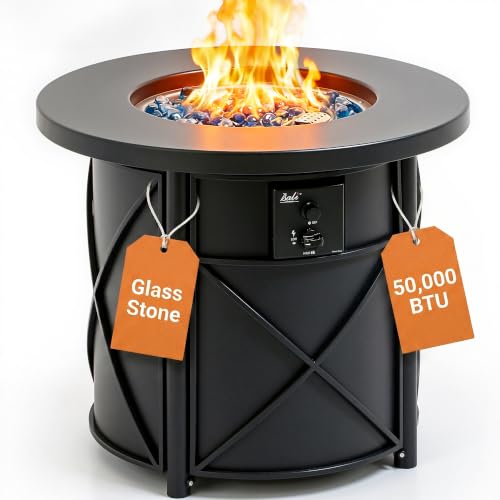
BALI OUTDOORS 50,000 BTU Propane Fire Pit
Leaning toward the standalone experience, the BALI OUTDOORS model delivers a taller, more visible flame and a compact footprint that suits smaller decks where a full table would crowd the space.
Devoko 32-Inch Firepit Table
This 32-inch metal firepit table splits the difference: enough ledge for a few glasses, a modest footprint, and an approachable price. Ideal for balconies and starter setups where 50,000 BTU would be overkill.
18-Inch Propane Fire Pit Table, 45,000 BTU with Wind Guard
The most portable option here, this 18-inch table includes a wind guard and lid so it converts to a side table when the flame is off. Perfect for tight decks and anyone who moves the pit for storage.
Frequently Asked Questions
Can I put a fire pit on a wood or composite deck?
Yes, with a propane fire pit table designed with an enclosed base and a heat-deflecting shield, plus a protective mat underneath. Avoid open wood-burning pits on decks; embers and radiant heat are a serious fire risk and many HOAs prohibit them.
How many BTUs do I need for a deck?
For a typical four-to-six person deck group, 40,000 to 55,000 BTU is plenty. Larger or windier spaces benefit from 60,000 BTU. Remember that a table spreads heat outward while a standalone pit concentrates it upward.
Is a fire pit table worth it over a standalone pit?
If you entertain and want a usable surface, absolutely; the ledge earns its keep every gathering. If you only care about heat and campfire ambiance, a standalone pit costs less and often burns hotter.
Do propane fire pits need a lot of maintenance?
Very little. Keep the burner clear of debris, cover the unit between uses, and check the hose and regulator each season. Lava rocks or glass media should be kept dry to avoid popping when lit.
Final Thoughts
For most deck owners in 2026 the fire pit table is the smarter buy, blending a safe enclosed flame with a surface you will use at every gathering. Choose a standalone pit only if raw heat and a compact footprint outrank having a place to set your drink. Either way, prioritize propane and a proper heat barrier so your deck stays as good as the evenings you spend on it.