Key takeaways
- Best Overall: Scotts 716-18S, an 18-inch 7-blade push reel mower.
- Best Value: LawnMaster LMRM1801, an 18-inch 5-blade reel mower.
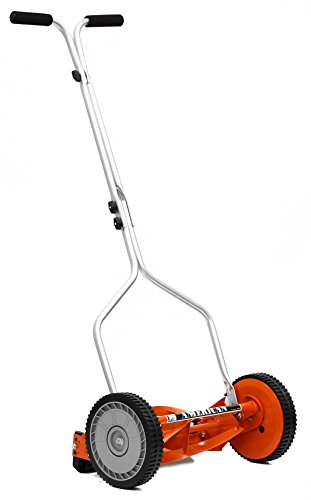
- Best Budget / Smallest Yards: American Lawn Mower 1204-14, a 14-inch 4-blade classic.
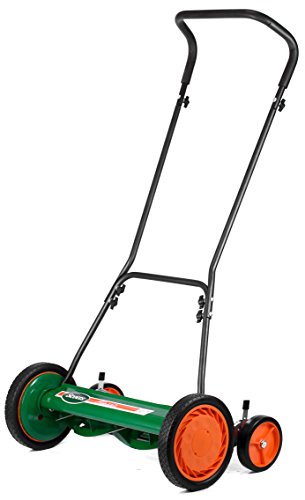
- Best Premium Width: Scotts 2000-20S, a 20-inch 5-blade mower for bigger small lawns.
- Best for Fine Turf: American Lawn Mower 2607-16, a 16-inch 7-blade model listed with a sharpener.
- Best Mid-Width Pick: Earthwise 1715-16EW, a 16-inch 7-blade mower.
- Best Traditional Build: Great States 815-18, an 18-inch 5-blade reel mower.
The best hand reel push mower for most small lawns is the Scotts 716-18S, an 18-inch 7-blade model that cuts a wide, fine swath without an engine, and the runner-up is the American Lawn Mower 1204-14, a compact 14-inch 4-blade classic for tiny yards and tight corners. A reel mower is a manual machine with no gas, battery or cord: you push, the wheels turn the reel, and the blades cut the grass like scissors against a fixed bedknife. If your lawn is a few thousand square feet or less and the grass is kept at a moderate height, a hand mower is quiet, simple and low-maintenance.
This guide covers seven main picks and four alternatives, then explains how to choose between hand lawn mowers by blade count, cutting width and height adjustment, and which grass types suit a reel cut. If you came looking for the best hand mowers, the best hand push mowers, or a plain answer on whether a manual mower will work on your lawn, the buying guide and the grass section will settle it.
Our top picks
 LawnMaster LMRM1801 Push Reel Lawn Mower 18-Inch
- No ripping or tearing of grass blades for…
- CUSTOMIZE YOUR CUT: Effortlessly change the height of…
- Features an 18-inch deck and 10-inch front wheels…

As an Amazon Associate we earn from qualifying purchases at no extra cost to you.
Top Picks at a Glance
- Best Overall: Scotts 716-18S, an 18-inch 7-blade push reel mower.
- Best Value: LawnMaster LMRM1801, an 18-inch 5-blade reel mower.
- Best Budget / Smallest Yards: American Lawn Mower 1204-14, a 14-inch 4-blade classic.
- Best Premium Width: Scotts 2000-20S, a 20-inch 5-blade mower for bigger small lawns.
- Best for Fine Turf: American Lawn Mower 2607-16, a 16-inch 7-blade model listed with a sharpener.
- Best Mid-Width Pick: Earthwise 1715-16EW, a 16-inch 7-blade mower.
- Best Traditional Build: Great States 815-18, an 18-inch 5-blade reel mower.
Reel Mowers Compared
| Product | Best for | Key specs (from listing) | Watch for | Price tier |
|---|---|---|---|---|
| Scotts 716-18S | Small to medium lawns, fine cut | 18 in, 7 blades | Height range not listed | Premium |
| LawnMaster LMRM1801 | Everyday small lawns | 18 in, 5 blades | Fewer blades means a slightly coarser cut | Mid-range |
| American Lawn Mower 1204-14 | Tiny yards, courtyards | 14 in, 4 blades | Narrow swath, more passes | Budget |
| Scotts 2000-20S | Wider lawns, fewer passes | 20 in, 5 blades | Harder to turn in tight beds | Premium |
| American Lawn Mower 2607-16 | Fine, short turf | 16 in, 7 blades, sharpener listed | Needs tidy, short grass | Mid-range |
| Earthwise 1715-16EW | Small lawns with curves | 16 in, 7 blades | Height settings not listed | Mid-range |
| Great States 815-18 | Straightforward upkeep | 18 in, 5 blades | Few extras | Mid-range |
1. Scotts 716-18S: Best Overall Reel Mower
- 18-inch cutting width
- 7-blade reel
- Manual push, no engine or battery
- Cutting height range: not listed
Best for: small to medium lawns of cool-season or fine-bladed warm-season grass that you mow often. Skip if: your lawn is tall, weedy or full of sticks and acorns.
Blade count is the headline spec on a reel mower, and seven blades is the high end of what you see on consumer models. More blades means more cuts per revolution, which produces a finer, more even clip and a tidier finish on short grass. It also means more contact points, so the mower can feel slightly heavier to push than a lower blade-count model. The 18-inch width is a nice compromise between speed and maneuverability on a small lot.
A reel mower of this kind wants to be used regularly. Mowing every four to five days in peak growth keeps blades from facing tall, stemmy grass, which is where manual mowers struggle. Used that way, the cut is clean and the lawn looks groomed. Check that the reel contacts the bedknife properly, and keep a light touch when setting contact: too tight and it drags, too loose and it chews grass.
Pros: fine cut thanks to 7 blades, wide enough for efficiency, no fuel or charging. Cons: needs regular mowing, struggles with tall or weedy grass, height range not listed.
2. LawnMaster LMRM1801: Best Value 18-Inch Pick
- 18-inch width
- 5-blade reel
- Push reel design
- Weight and wheel size: not listed
Best for: homeowners who want a wide cut and low upkeep on a flat, small lawn. Skip if: you want the finest possible finish for putting-green-style turf.
Five blades is the sweet spot for most home lawns: fewer blades than a seven-blade model means a lighter feel while pushing and a slightly more forgiving cut on lawns that are not mowed every few days. The 18-inch width trims the number of passes compared with a 14-inch machine, which shortens the job even on a small lot. This is the sort of mower that suits a suburban front yard, a courtyard with grass or a secondary lawn you want to maintain without noise.
Keep in mind that the listing does not state the weight or the wheel diameter, and both affect how easy a manual mower is on bumps and edges. If your lawn is uneven, larger wheels tend to ride better; check the maker’s specification before you decide.
Pros: wide cut for the money, five-blade balance, simple operation. Cons: specs such as weight not listed; slightly coarser cut than 7-blade designs.
3. American Lawn Mower 1204-14: Best Budget Pick for Tiny Yards
- 14-inch cutting width
- 4-blade reel
- Push reel mower in a classic red body
Best for: postage-stamp lawns, narrow side yards and courtyards. Skip if: your lawn is more than a few thousand square feet; the narrow cut means many passes.
The 14-inch class is where manual mowers have always lived. They store in a closet, turn on a dime and need no preparation: roll it out and mow. Four blades is the lowest count among the picks here, so the cut is a bit coarser than the 7-blade machines, but on a small lawn that is mowed regularly the difference is easy to live with. This is the model to pick if budget and storage space are your priorities.
The narrow width is the main limit. On a lawn of any size you walk further than you would with an 18-inch or 20-inch mower, and the narrow wheelbase can scalp humps if you push too aggressively. Walk at a steady pace, because reel mowers cut best when the reel spins fast enough to slice cleanly.
Pros: compact, light on storage space, simple, affordable. Cons: narrow cut, only four blades, not for large lawns.
4. Scotts 2000-20S: Best Wide Reel Mower
- 20-inch cutting width
- 5-blade reel
- Manual push operation
Best for: wider open lawns where you want fewer passes and a classic reel look. Skip if: your yard has tight corners, many beds or steep slopes.
A 20-inch width is as wide as you will usually see on a hand mower. That means fewer passes and a shorter mow, but it also means more effort per push and a wider turning circle. On a flat lawn the extra width is a clear win; on a lawn with lots of obstacles it can be a pain. Five blades give a balanced finish for typical home turf.
If you are comparing this model with the 18-inch pick above, think in terms of your lawn’s layout rather than raw size. A single open rectangle favors the wider mower; a lawn broken up by trees, planters and garden beds favors the narrower one.
Pros: wide swath, fewer passes, five-blade cut. Cons: heavier effort per push, less maneuverable, height range not listed.
5. American Lawn Mower 2607-16: Best 7-Blade Model with a Sharpener
- 16-inch width
- 7-blade reel
- Listed with a sharpener
Best for: short, fine turf where cut quality matters and you like maintaining your own tools. Skip if: your lawn has coarse grass or you mow irregularly.
A sharpener included with the listing is a useful extra for a reel mower. Dull reel blades tear rather than slice, leaving frayed grass tips and a pale, uneven look. Many manufacturers describe a lapping process, where a grinding compound is applied while the reel turns against the bedknife, to restore the edge; a sharpening kit makes that easier. Check the maker’s instructions for the right procedure and wear gloves and eye protection when working near the blades.
Seven blades and a 16-inch width is a good combination for a small, well-kept lawn. It cuts finely, turns reasonably well and is not so wide that it becomes tiring. As with every reel model, this one performs best when you mow before the grass gets too tall.
Pros: fine 7-blade cut, sharpener listed, maneuverable width. Cons: needs consistent mowing, not forgiving of tall grass.
6. Earthwise 1715-16EW: Best Mid-Width Pick for Curved Beds
- 16-inch width
- 7-blade push reel design
- Grey finish
Best for: lawns with curved edges and garden beds where a mid-width mower is easier to steer. Skip if: you want a wide swath for speed.
The 16-inch class is the middle ground between a compact 14-inch and a wide 20-inch. It is a handy size around patios, raised beds and walkways, where you need to steer around obstacles without constantly stopping. The seven-blade reel gives a fine cut, and because a reel mower has no deck sticking out beyond the blades, you can trim closer to edges than with many rotary models.
Like the other reel models, height adjustment ranges and weight are not stated in the title, so verify these with the maker before buying if you have a specific grass height in mind.
Pros: manageable width, fine cut, good around obstacles. Cons: specs such as cutting height not listed; narrower than the 18-inch models.
7. Great States 815-18: Best Traditional Build
- 18-inch width
- 5-blade reel
- Grey push reel body
Best for: people who want a plain, familiar manual mower from a long-standing reel brand. Skip if: you want extras like a grass catcher or tool-free adjustment.
Great States is a name many homeowners associate with classic reel mowers. This model offers the usual 18-inch width and five blades, which makes it comparable to the LawnMaster in this guide. The difference will come down to build details such as wheel construction, handle feel and how the cutting reel is adjusted, none of which are in the listing title, so treat those as items to look up on the maker’s page.
Pros: familiar reel design, 18-inch width, five-blade balance. Cons: sparse listing details; no extras.
Also Consider
LawnMaster LMRM1401 14-Inch 5-Blade
A compact option with five blades in a narrow footprint. It is a good alternative to the 4-blade American Lawn Mower if you want a slightly finer cut on a tiny lawn.
American Lawn Mower 1304-14GC with Grass Catcher
A 14-inch 5-blade model listed with a grass catcher. A catcher is useful if you do not want clippings left on a very formal lawn, though most reel users leave clippings as a natural mulch.
Lawnworld 14-Inch Reel Mower
A 14-inch 5-blade model listed with tool-free blade adjustment and a 5-position height adjustment. The adjustment range makes it an interesting choice if you want to experiment with cutting height.
Great States 204-14 Hand Reel
A basic 14-inch hand reel mower for tiny lawns, and a straightforward choice if you want the simplest possible machine.
How We Chose
This guide is research-based. We did not personally use these mowers. We compared manufacturer product pages and store listings and read independent gardening and turf-care advice from university extension services. We then selected reel mowers that cover distinct needs: tiny lawns, wide open lawns, fine-cut seven-blade models and everyday five-blade models.
All products are currently sold through the site’s store. Specs are taken from the listings: width, blade count and any included accessories. When a spec such as weight, wheel diameter or cutting height range was not in the listing, we mark it “not listed.” We do not quote prices or user ratings; the price tier words are relative.
Buying Guide
Cutting width: 14 to 20 inches
The wider the mower, the fewer passes you make, but the more effort each push takes and the harder it is to turn. A 14-inch mower suits lawns up to a modest courtyard; 16-inch is a useful all-rounder for small lawns with curves; 18 to 20-inch is better for open, regular shapes. A rough rule: if your lawn is smaller than about a quarter of an acre and has beds and trees, stay at 16 to 18 inches.
Blade count: 4, 5 or 7
Blade count controls how fine the cut is. Four blades cut coarsely but push easily and tolerate slightly taller grass. Five blades are the common middle ground. Seven blades produce the finest finish and suit short, dense turf that you mow often. If you cannot commit to frequent mowing, choose fewer blades.
Cutting height adjustment
Look for a clearly stated range and a simple adjustment. Reel mowers cut best at moderate heights; many are designed for turf cut at around one to two and a half inches, but the exact range varies by model, so check the maker’s page. A mower with a few preset positions, like the 5-position adjustment on the Lawnworld alternative, is easier than a model that needs wrenches to change settings.
Reel contact and sharpening
The reel should lightly touch the bedknife and slice a sheet of paper cleanly if properly set. When it fails to cut, the usual cause is dull blades or a poorly set contact. Plan to adjust the contact and sharpen or lap the blades periodically; a model with included sharpening supplies can make that easier. Follow the maker’s instructions and protect your hands and eyes.
Lawn preparation
Before you mow with a reel mower, pick up sticks, stones and toys, and trim long weeds. Reel mowers handle clean, evenly growing turf; they do not shred twigs the way a rotary mower does, and they can jam on thick stalks.
Best Grass Types for a Hand Mower
If you are wondering about the best grass type for hand mowers, the general answer is fine-bladed turf that grows densely and upright. Cool-season grasses such as Kentucky bluegrass, fine fescues and perennial ryegrass are commonly mowed with reel mowers. In warm-season regions, hybrid bermudagrass and zoysia are the usual reel-friendly choices because they grow low and dense. Coarse, tall or stemmy grasses, and some creeping types with thick stolons, can be harder to cut cleanly with a manual reel and may need a heavier machine.
Your local conditions matter. If you are not sure what you have, check with your local cooperative extension office or a nursery. They can tell you the recommended mowing height for your species and whether a reel cut is a good match. Also remember that a hand mower rewards routine: mowing more often, taking off a smaller amount each time, produces a better result than letting the lawn run long and cutting it once.
Common Reel Mower Mistakes
- Waiting too long between mows. Tall grass bends under the reel instead of being cut.
- Mowing wet grass. It clumps and clogs the reel, and wet turf is easier to rut.
- Ignoring sharpening. A dull reel tears blades and leaves brown tips.
- Setting the height too low. Scalping stresses the lawn, especially in summer heat.
- Choosing too narrow a mower for a large lawn. You will walk much further than you expect.
Reel vs Rotary: When a Hand Mower Makes Sense
A reel mower and a rotary mower do the same job in different ways. A rotary blade spins flat and hacks the grass off, which is forgiving on tall or uneven growth but leaves a more ragged tip. A reel slices against a fixed edge, which leaves a cleaner cut that many people say helps the lawn look sharper and recover well. The trade-off is tolerance: a rotary mower will chew through a neglected lawn, while a reel mower wants a lawn that is kept in shape.
Think about the whole routine rather than the machine alone. A reel mower has no oil, spark plug, filter or battery to manage, and you can start it in a second. In return you give it a bit of muscle and a regular mowing schedule. If you enjoy a quiet weekend mow and have a small lawn, the manual route is rewarding. If you travel often, let the grass grow between visits or have a large lot, a motorized mower is the more realistic tool.
Season Care and Storage
At the start of the season, spin the reel by hand and listen for rubbing or clicking, check that the wheels turn freely, and test the cut on a patch of lawn. If the blades are tearing, adjust the contact between reel and bedknife according to the maker’s instructions, then sharpen or lap if needed. During the season, brush off clippings after each mow and wipe the blades with a dry cloth; a little light machine oil on the moving points helps, but follow the instructions for your model.
At the end of the season, clean the mower, dry it fully and store it indoors off the ground so the reel and the bedknife do not corrode. Because there is no fuel system, winter storage is as simple as hanging it in a garage or shed. Take care when handling the reel, since the blades are sharp even when the mower is not moving, and keep children and pets away from the mower while it is being adjusted.
Frequently Asked Questions
Are reel mowers good for small lawns?
Yes, they are at their best on small, flat lawns of fine grass that you mow often. They are quiet, need no fuel or charging, and give a clean scissor-style cut when the blades are set properly.
How many blades should a hand mower have?
Five blades suit most people. Choose seven for the finest finish on short, dense turf and four if you want the easiest push and a more forgiving cut on slightly longer grass.
What is the best hand lawn mower for a tiny yard?
The compact 14-inch models, such as the American Lawn Mower 1204-14, are easiest to store and turn. They need more passes but are well suited to courtyards and narrow strips.
Can a hand push mower cut tall grass?
Generally no. Reel mowers cut best when the grass is already near the target height. If your lawn has grown long, trim it with a string trimmer or rotary mower first, then maintain it with the reel.
How often should I sharpen the reel?
It depends on use and terrain. Many owners check the cut at the start of each season and sharpen or lap when the blades begin to tear grass. Follow the maker’s instructions for the correct method.
Which grass types work with hand mowers?
Fine-bladed, dense grasses such as bluegrass, fine fescue, perennial ryegrass, bermudagrass and zoysia are common matches. Check your local extension office for advice that fits your region.
Do I need to bag the clippings?
Not usually. Short clippings from frequent mowing break down on the lawn. A catcher, like the one on the American Lawn Mower 1304-14GC, is optional.
Which One Should You Buy?
Match the mower to your lawn’s shape and your mowing routine. For a tiny yard, the American Lawn Mower 1204-14 or the LawnMaster 14-inch keeps things simple. For a typical small lawn with curves, the Earthwise 16-inch or the American Lawn Mower 2607-16 gives a fine cut with easy steering. For open lawns where you want fewer passes, the LawnMaster LMRM1801, Great States 815-18 or Scotts 2000-20S are the better matches. Our overall pick is the Scotts 716-18S because it combines a useful width with the finest cut in this group.
Whichever you choose, mow on a regular schedule, keep the grass reasonably short, and check the blade contact each season.
Sources
- Manufacturer product pages and listings for Scotts, American Lawn Mower Company, LawnMaster, Earthwise and Great States
- University cooperative extension guidance on lawn mowing height and grass types
- Turf-care publications on reel mower adjustment and sharpening
Last updated: October 2026