Key takeaways
- Hydroseeding is a wet slurry of seed, mulch, tackifier and starter fertilizer, sprayed over prepared soil so seed stays put and holds moisture.
- Rent a mechanically agitated tank for anything over a few hundred square feet; a pump sprayer or hose-end kit is a patch tool, not a lawn tool.
- Soil prep and watering decide success more than the slurry recipe: loosen the top inch or two, remove debris, and keep the surface damp daily.
- Plan the season by grass type: cool-season blends in late summer to early fall, warm-season grasses once soil is reliably warm.
- Cost drivers are the seed blend, mulch bales, rental days and water, so measure the lawn and round bale counts up before you buy.
DIY hydroseeding is realistic for a small to medium lawn if you rent a mechanically agitated hydroseeder, buy seed, wood or paper mulch and tackifier by the bag, and spray the slurry in two even passes onto raked, loosened soil. It usually costs less than sod and more than a plain spreader and straw job, and the real savings come from doing the labour yourself. For patches and small repairs, a hose-end liquid kit gives the same slurry idea without a rental.
Our top picks
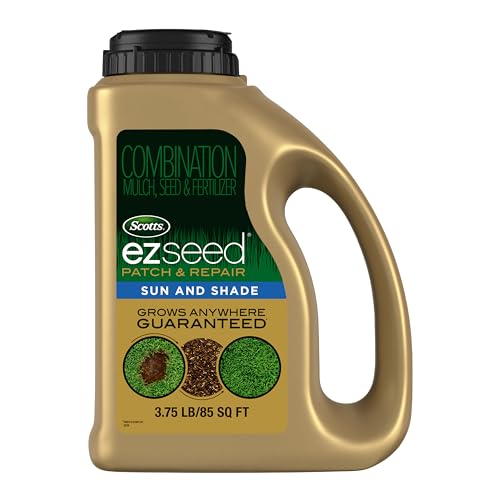


As an Amazon Associate we earn from qualifying purchases at no extra cost to you.
Key takeaways
- Hydroseeding is a wet slurry of seed, mulch, tackifier and starter fertilizer, sprayed over prepared soil so seed stays put and holds moisture.
- Rent a mechanically agitated tank for anything over a few hundred square feet; a pump sprayer or hose-end kit is a patch tool, not a lawn tool.
- Soil prep and watering decide success more than the slurry recipe: loosen the top inch or two, remove debris, and keep the surface damp daily.
- Plan the season by grass type: cool-season blends in late summer to early fall, warm-season grasses once soil is reliably warm.
- Cost drivers are the seed blend, mulch bales, rental days and water, so measure the lawn and round bale counts up before you buy.
What Hydro Seeding Actually Is (and Why People Choose It)
Hydro seeding, also written as hydroseeding, mixes grass seed with water, fibre mulch, a binder called tackifier, and often a starter fertilizer. The mixture is pumped through a hose and nozzle onto bare soil. The mulch holds moisture against the seed, the tackifier glues the mulch to the soil so rain and slopes are less likely to wash it away, and a green dye (in many mulches) shows where you have already sprayed.
People choose it for three reasons. Coverage is fast once the equipment is running, it handles slopes and awkward shapes better than hand-broadcast seed, and the mulch layer reduces the bare, crusty surface that makes new seed dry out. Its weak spots are equipment access, the need for steady watering afterward, and the fact that a thin, weedy base soil will still give a thin, weedy lawn.
DIY Hydroseeding vs Hiring, Sod and Standard Seeding
| Method | Relative cost | Labour | Best for | Main drawback |
|---|---|---|---|---|
| DIY hydroseeding (rented tank) | Low to moderate | High, 2 people ideal | Medium to large lawns, slopes | Rental logistics, cleanup, timing |
| Hired hydroseeding | Moderate | Low | Large areas, tight schedules | You still must water and mow correctly |
| Hose-end liquid kit | Low | Low | Patches and small bare spots | Impractical past a small area |
| Dry seed with straw or peat | Low | Moderate | Small to medium flat lawns | Seed can wash or blow away |
| Slit seeding (rented slicer) | Low to moderate | Moderate | Overseeding an existing lawn | Needs an existing lawn or prepped soil |
| Sod | High | Moderate to high | Instant cover, erosion-prone yards | Highest cost, strict watering in first weeks |
A quick way to read this: if you only have a bare patch or two, buy a liquid kit. If you are renovating most of a lawn, price a hired crew against your own rental days, a helper and your time. Hydroseeding does not replace slit seeding when you are thickening an existing lawn; slit seeding drops seed into slots cut into the soil and works around the turf you already have.
Hydroseeding Cost: What Drives the Bill
Exact quotes vary by region and season, so ask two or three local suppliers for current figures. What stays constant is the list of line items that make up a DIY job:
- Seed: the biggest controllable cost. Turf-type tall fescue and bluegrass blends cost more than basic ryegrass mixes; check the product label for the rate per 1,000 square feet.
- Mulch: wood fibre bales or paper-based mulch. Each bale lists a coverage figure on the bag, so your lawn area divided by that coverage, rounded up, is your bale count.
- Tackifier and starter fertilizer: small cost per job, important on slopes and sandy soil.
- Rental: daily or half-day hydroseeder rental, plus a deposit and cleanup rules. Ask the rental counter about tank size, agitation type, nozzle options and whether they supply mulch bags.
- Water and soil prep: topsoil or compost for thin ground, a tiller or rake, and weeks of irrigation.
Ownership reality: hydroseeding is cheaper than sod mainly because you skip the grown turf itself. It is not cheaper if you fail the watering schedule and have to reseed, so put a dollar value on your free time in the first three weeks.
Equipment for DIY Hydroseeding: Rent, Hose-End or Pump Sprayer
Rented mechanical-agitation hydroseeder
The right tool for lawn-sized areas. A tank with a paddle agitator keeps fibre mulch from clumping, which matters because mulch settles quickly in a plain tank. Tank sizes on rental fleets commonly run from small trailer units to larger tow-behind units, and the right size depends on how many bales you can load and spray before the slurry needs refilling. Confirm the size and the number of bales per load with the rental counter instead of guessing.
Hose-end liquid lawn kits
These are small, bottle-and-hose kits that mix a seed, mulch and tackifier blend with water and spray from your garden hose. They suit patches, kennel-worn spots and edges. They are not meant to replace a renovation of a whole lawn.
Gear that helps
- Hydro Mousse Liquid Lawn System: hose-end spray kit · seed, mulch and fertilizer blend · patch repair and small full-lawn jobs. Check the listing for the exact blend and coverage.
- Hydro Mousse Bermuda Grass Seed Large Refill Bag: refill bag for the same system · Bermuda seed · covers up to 1000 sq ft as listed. Use only in warm-season regions.
A standard 1- to 3-gallon garden pump sprayer is a poor stand-in for a hydroseeder: fibre mulch clogs the nozzle and filter, and the tank has no agitation. Keep pump sprayers for liquid weed control and fertilizer.
Step-by-Step DIY Hydroseeding
- Measure the area. Multiply length by width for rectangles and add sections for odd shapes. This number sets your seed, mulch and rental time. Example: a 50 ft by 80 ft lawn is 4,000 sq ft.
- Kill or remove what you do not want. Old turf and weeds compete with new seed. Strip, till under, or follow your weed killer label for the wait time before seeding.
- Loosen and level the soil. Rake or till the top 2 to 4 inches, break clods, remove stones and sticks, and fix low spots. Compacted soil is the most common reason a hydroseeded lawn thins out.
- Adjust the soil if a test says so. A basic soil test tells you pH and nutrients. Follow the lab or label guidance for lime, compost or starter fertilizer rather than adding extras on a guess.
- Calculate your bale count. Divide lawn area by the coverage printed on the mulch bag, then round up. If a bag covers 1,000 sq ft and the lawn is 4,000 sq ft, plan for 4 bags plus a spare for slopes.
- Mix the slurry. Fill the tank partway with water, start the agitator, then add seed, mulch, tackifier and starter fertilizer in the order the mulch maker recommends. Fully mix before spraying; clumps will clog the nozzle.
- Spray in two crossing passes. Spray in one direction, then cross at a right angle to reduce gaps. Aim to land seed on bare soil, not on top of thick mulch, and use the dye to see where you have been.
- Wash the equipment. Flush the tank, pump and hose promptly. Dried mulch is difficult to remove and rental shops may charge for it.
- Water immediately and keep it damp. Light, short watering sessions several times a day keep the surface moist without puddling. Go lighter once seedlings stand and extend the interval as roots establish.
- Delay the first mow. Mow when the grass reaches the height recommended for your species, set the blade high, and keep blades sharp so the new grass is cut, not torn.
Seed Rates and Timing by Grass Type
| Grass type | Typical dry-seed rate per 1,000 sq ft | Typical germination window | Best planting window |
|---|---|---|---|
| Tall fescue | 6 to 8 lb | 7 to 14 days | Late summer to early fall; early spring is second best |
| Kentucky bluegrass | 2 to 3 lb | 14 to 30 days | Late summer to early fall |
| Perennial ryegrass | 6 to 8 lb | 5 to 10 days | Late summer to early fall |
| Bermuda (hulled) | 1 to 2 lb | 7 to 21 days | Late spring to early summer |
| Zoysia | 1 to 2 lb | 14 to 21+ days, slower | Late spring to early summer |
These are general reference ranges used on many seed labels. Your seed blend, coating and local conditions can change them, so follow the bag. Hydroseeders usually set a rate near the label’s new-lawn figure rather than doubling it; extra seed crowds seedlings and invites fungus.
Grass Seed Mulch Choices: Wood Fibre, Paper and Straw
- Wood fibre mulch: the common hydroseeding choice. It holds water well and stays suspended in the tank. Dyed versions mark coverage.
- Paper-based mulch: often lower cost and good for flat lawns. It breaks down faster and may hold less water than wood fibre.
- Straw or hay: used with dry seeding, not with a hydroseeder. Use weed-free straw to avoid planting new weeds.
- Bonded fibre matrix or erosion blanket: for steep slopes where regular mulch could still wash out. Check the product’s slope rating on the label.
Common Mistakes That Waste Seed
- Spraying a thick mulch layer. Seed needs contact with soil; too much mulch smothers it.
- Skipping the soil loosening step on compacted ground.
- Seeding right before a long dry spell or a hot stretch without a way to water.
- Letting the surface dry out between waterings in the first two weeks.
- Using fertilizer or weed control that is not labelled safe for new seedlings. Always check the label for new-lawn restrictions.
- Mowing too early or with dull blades.
When to Use Slit Seeding Instead
If your lawn is thin but still has a good root system, slit seeding is usually the better fit. A rented slit seeder cuts narrow grooves and drops seed into the soil, which gives good seed-to-soil contact without bare-ground prep. Hydroseeding makes more sense on bare, graded ground, new construction, or slopes where you want a protective mulch layer from day one.
Frequently Asked Questions
Is DIY hydroseeding cheaper than hiring a pro?
Usually, yes, if you already own or can borrow time and a helper. You pay for materials and rental instead of labour and a contractor’s margin. If you value a guaranteed result or have a very large lawn, a quote from a local crew is worth comparing.
How long until hydroseeded grass comes up?
It depends on species and temperature. Perennial ryegrass often shows within a week or two, tall fescue in about one to two weeks, and slow starters such as Kentucky bluegrass or zoysia can take several weeks. Warm weather speeds all of them up.
Can I hydroseed over an existing lawn?
You can, but the result is often poor because seed lands on old turf instead of soil. Slit seeding or core aeration followed by dry seed is a more direct way to thicken a lawn.
How often should I water after hydroseeding?
Keep the surface continually damp until seedlings establish, which for most people means short watering cycles several times a day at first. Taper to deeper, less frequent watering as the grass grows. Follow the guidance on your seed and mulch labels for your climate.
Can I use a regular garden sprayer for hydroseeding?
Not for a lawn. Fibre mulch settles and clogs small sprayers, and standard pump sprayers do not agitate. They are fine for liquid herbicide or fertilizer but not for slurry.
Does hydroseeding work on slopes?
Yes, that is one of its best uses. Add tackifier, spray in crossing passes, and consider a bonded fibre matrix on steep or erosion-prone areas. Always follow the product label for slope limits.
When should I put down weed killer or pre-emergent?
Before seeding, kill existing weeds and follow the waiting period on the label. Most pre-emergent herbicides stop grass seed from germinating too, so skip them on a seeding job unless the label says it is safe for new lawns.
FAQ
Is DIY hydroseeding cheaper than hiring a pro?
How long until hydroseeded grass comes up?
Can I hydroseed over an existing lawn?
How often should I water after hydroseeding?
Can I use a regular garden sprayer for hydroseeding?
Does hydroseeding work on slopes?
When should I put down weed killer or pre-emergent?
More from Amazon
Programs that pair well with the guide above. Offers and eligibility are set by Amazon and may change.
Collect the home and kitchen items you want in one registry that guests can shop from.
Create a wedding registrySet up recurring deliveries of everyday items on eligible products. Terms and savings are set by Amazon.
Explore Subscribe & SaveFree shipping on eligible items, Prime Video and more. Eligible new members can start with a free trial.
Start a Prime free trialAudiobooks and podcasts to listen to on the go. Eligible new members can start with a free trial.
Try Audible freeAs an Amazon Associate we earn from qualifying purchases.