Key takeaways
- Compare the best garden seeders for straight rows and even spacing, from classic push plate seeders to a handheld spreader and a tow-behind unit.
Sowing by hand feels simple until the rows come up. Seed clumps in one spot and skips the next, the furrow wanders, and depth changes every few steps. A garden seeder fixes the routine: it opens a furrow, drops seed at a steady spacing and depth, covers it, and firms the soil in one walk down the row.
The five seeders below cover the main ways gardeners sow. Three are walk-behind push seeders with interchangeable plates for vegetable rows, one is a battery-powered handheld spreader for patch sowing and overseeding, and one is a tow-behind broadcast unit for large areas. Match the tool to the size of the garden and the seed you sow most.
As an Amazon Associate, we earn from qualifying purchases.
Quick Answer
For most home vegetable gardens, the EarthWay 10001 is the best starting point, with seven plates covering 38 seed types. The Chapin 8701B is the sturdier steel alternative for the same job. Gardeners who want precise sowing depth should look at the Hoss Garden Seeder, while the Scotts Wizz suits small patches and the Agri-Fab 45-0463 suits large areas.
EarthWay 10001 Precision Garden Seeder
The EarthWay 10001 is the reference point for push seeders, and most of the category follows its design. A front wheel drives a turning seed plate under the hopper, a small plow opens the furrow, and a packing wheel presses soil onto the seed.
Its strength is range. Seven interchangeable plates come in the box, and the maker says it sows 38 types of seed, from sweet corn and peas to much smaller seed. That is a wider stated range than the other plate seeders here, which mostly claim around 20 seed types. Seed size varies even within one crop, so check the plate list against the varieties you sow.
The frame is aluminum and the hopper is rustproof poly, which keeps the seeder light enough to lift into a raised bed or carry to the far end of the garden. A 30-inch row marker scratches a line for the next pass, so rows stay parallel without restringing a line. The listing specifies use in prepared soil, so the bed needs cultivating first, and no separate depth setting is described beyond the plow. One listing field shows an implausible weight of 16 ounces, so no weight figure is stated here.
Specs
- Seed plates: 7 interchangeable plates
- Seed types: 38, per the maker
- Frame: aluminum
- Hopper: rustproof poly
- Row marker: 30 inches
- Model number: 1001-B
- Warranty: 1-year limited, lifetime technical support
- Weight: not stated in the listing excerpt
Chapin 8701B Push Garden Seeder
The Chapin 8701B does the same core job as the EarthWay, but on a heavier steel frame. Chapin describes its action in four words: mark, prep, place, cover. Push it down the row: the marker sets the next line, the zinc plow opens the furrow, the plate drops the seed, and the rear wheel closes the row.
Six plates come in the box and cover up to 20 vegetable seed types, including beans, peas, sunflower, cucumber, corn, beets, radishes, brassicas, carrots, lettuce, and onions. For a mainstream vegetable garden, the list is practical.
The frame is the main difference. Powder-coated steel adds weight and rigidity, so a heavier seeder holds its line and depth better. Cushioned grips, a 1.5-liter rust-resistant poly hopper, an adjustable rotating row marker, and a kickstand round out the design. Two cautions belong here: the handle is not adjustable, and the stock signal is mixed. One retailer lists it as discontinued, an older Amazon crawl showed it in stock and sold by Amazon, and a November 2026 roundup notes only one left. Confirm a live offer before ordering.
Specs
- Seed plates: 6 interchangeable plates
- Seed types: up to 20, per the maker
- Hopper: 1.5-liter rust-resistant poly
- Frame: powder-coated steel
- Dimensions: 30.75 x 8.5 x 30 inches
- Weight: 14.4 pounds
- Row marker: adjustable rotating wheel
- Plow: zinc plow blade
- Warranty: 1-year limited
Hoss Garden Seeder
The Hoss Garden Seeder is the heavy-duty choice in this group, built for gardeners who sow every season and want the tool to last. The powder-coated steel frame has adjustable hardwood handles, and Hoss says it is made in the USA. The extra weight helps it track straight and hold depth in firm soil.
Its case rests on two features the cheaper plate seeders do not describe: depth, with a stated range from one-quarter inch to one-and-a-half inches, adjustable on the seeder. That is the range from lettuce and carrots, which want barely any cover, to peas and beans, which go deeper. The second is the hopper: Hoss describes it as removable, so leftover seed tips back into the packet easily.
Six pre-drilled plates come in the box, custom drilled to prevent skips and doubles. At 45 inches long it needs more storage space, and no row marker is included in this base version. One source describes 13 plates as available, while the listing includes six, so confirm the plate count before ordering. Stock is the weakest here: a late-October 2026 check found no featured offer, while a mid-November 2026 roundup shows a live Amazon card. Confirm the listing is live before ordering.
Specs
- Seed plates: 6 pre-drilled plates included
- Planting depth: 1/4 inch to 1-1/2 inches, adjustable
- Frame: powder-coated steel
- Handles: adjustable hardwood
- Hopper: removable for emptying seed
- Dimensions: 45 x 17 x 9 inches
- Part number: HGS051
- Made in: USA
Scotts Wizz Hand-Held Spreader
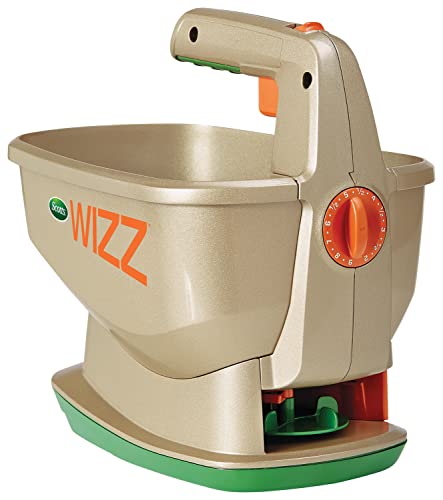
The Scotts Wizz is the odd one out here, and deliberately so. It is a battery-powered handheld broadcast spreader, not a row seeder, and it suits a different job: scattering seed over a patch, overseeding a thin lawn, or sowing cover crop over a bed. Fill the hopper, set the dial, and squeeze the trigger as you walk; a spinning disk flings seed out in a fan.
EdgeGuard blocks one side of the spread, so seed goes where it is aimed rather than onto paths and beds that do not need it. The listing describes 23 settings and a 5-foot broadcast width, covering up to 2,500 square feet of Scotts product per fill. Four AA batteries come in the box, and it works year-round for grass seed, fertilizer, salt, and ice melt.
It will not sow straight rows, and that is the point to be clear about. It suits overseeding and patch work, not vegetable rows that need even spacing. Battery life is reported as short, so keep spares on hand, and empty and dry the hopper after each use to avoid clogging. Weight differs across sources, so no weight figure is stated here.
Specs
- Type: battery-powered handheld broadcast spreader
- Power: 4 AA batteries included
- Spread width: 5 feet
- Settings: 23 spreader settings
- Coverage: up to 2,500 square feet of Scotts product
- EdgeGuard: yes
- Model number: 71131
- UPC: 032247711319
- Weight: not stated in the listing excerpt
Agri-Fab 45-0463 Tow-Behind Broadcast Spreader

The Agri-Fab 45-0463 is the large-area option. It is a tow-behind broadcast spreader with a 130-pound hopper, made to be pulled behind a riding mower or lawn tractor, and it spreads seed, fertilizer, salt, and ice melt over 10 to 12 feet. For a large lawn, a field edge, or a cover-crop area, it covers ground far faster than any walk-behind tool.
The universal hitch fits most riding mowers and lawn tractors without a special adapter. The hopper capacity means fewer refills on long passes, and the broadcast pattern suits overseeding and cover cropping, where even coverage over a wide area matters more than row placement. This is not a tool for small gardens. It needs a riding mower or tractor to pull it, it broadcasts rather than placing seed in rows, and it is built for open ground rather than narrow beds. For a few raised beds, a push seeder above fits better.
Specs
- Type: tow-behind broadcast spreader
- Hopper capacity: 130 pounds
- Spread width: 10 to 12 feet
- Hitch: universal, for riding mowers and lawn tractors
- Materials: seed, fertilizer, salt, ice melt
- Model number: 45-0463
- UPC: 052613102428
How to choose
Start with the size of the area and the seed you sow most. A push plate seeder suits vegetable rows, a handheld spreader suits patches and overseeding, and a tow-behind unit suits large areas behind a riding mower. Next, look at how the seeder meters seed. Plate seeders use discs with holes sized for a seed, and more plates mean more crops. The EarthWay covers the widest stated range here, while the Hoss plates are described as custom drilled to reduce skips and doubles. For very small seed, ask whether a plate exists for that size. Only the Hoss states an adjustable depth range, and a row marker keeps rows parallel without stringing a line. Finally, check the frame and hopper: steel is heavier and more rigid, aluminum is lighter, and a removable hopper makes changing crops easier.
Who should skip
Skip a push seeder for containers or a small balcony, where there is no row to walk and hand sowing does the job better. Skip the whole category on hard, stony, or unprepared ground, since every seeder here is made for cultivated soil; cultivate the bed first. Skip the tow-behind Agri-Fab if there is no riding mower or tractor to pull it, and skip the Hoss if storage space is tight, since it is 45 inches long.
Frequently Asked Questions
What is the difference between a push seeder and a broadcast spreader?
A push seeder places seed in a row at a set spacing and depth, using plates to meter one seed at a time. A broadcast spreader flings seed over a wide area, which is faster but far less precise. Choose a push seeder for vegetable rows and a broadcast spreader for overseeding lawns or sowing cover crops.
Do I need to prepare the soil before using a garden seeder?
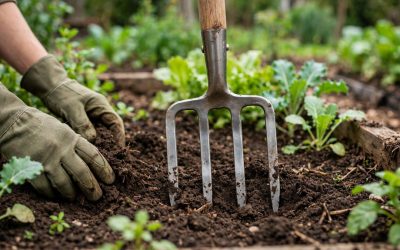
Yes. Every seeder here is made for prepared, cultivated soil. The bed should be tilled or forked, raked level, and free of large clods. A seeder opens a shallow furrow; it does not break new ground, and rough soil makes plates skip.
Can a garden seeder plant tiny seeds like carrots and lettuce?
It depends on the plates: they need holes sized for the seed, and very small seed is where cheaper seeders struggle most. The EarthWay lists 38 seed types, the widest range here, and the Hoss plates are described as custom drilled. Check that a plate exists for your smallest seed before ordering.
How do I choose the right seed plate?
Match the plate hole to the seed size, not the crop name alone, since seed size varies within one crop. Start with the plate the maker lists for that crop, sow a short trial row, and check the spacing before committing to the whole bed. Keep plates organized and dry between seasons.
Final verdict
For most home vegetable gardens, the EarthWay 10001 is the best starting point: seven plates, the widest stated seed range, and a light frame that is easy to carry between beds. The Chapin 8701B suits gardeners who want a heavier steel frame, and the Hoss suits those who sow every season and want precise depth. The Scotts Wizz covers patch sowing, and the Agri-Fab 45-0463 covers large areas behind a riding mower. Confirm the listing is live and the model number matches before ordering.
FAQ
What is the difference between a push seeder and a broadcast spreader?
Do I need to prepare the soil before using a garden seeder?
Can a garden seeder plant tiny seeds like carrots and lettuce?
How do I choose the right seed plate?
More from Amazon
Programs that pair well with the guide above. Offers and eligibility are set by Amazon and may change.
Collect the home and kitchen items you want in one registry that guests can shop from.
Create a wedding registrySet up recurring deliveries of everyday items on eligible products. Terms and savings are set by Amazon.
Explore Subscribe & SaveFree shipping on eligible items, Prime Video and more. Eligible new members can start with a free trial.
Start a Prime free trialAudiobooks and podcasts to listen to on the go. Eligible new members can start with a free trial.
Try Audible freeAs an Amazon Associate we earn from qualifying purchases.