Key takeaways
- Best overall lightweight concrete look: Kante round bowl planter, 15.7 in. wide, concrete-fiberglass blend with drainage hole and plug.
- Best tall statement planter: Kante tall planter, about 21.7 in. high, concrete-fiberglass blend with drainage plugs.
- Best set for grouping: Plantara round concrete/fiberglass set of three (about 17.3, 13.3 and 10.6 in. high), weathered concrete finish.
- Best for entryways and corners: Plantara tall round set of two, about 23.6 in. high.
- Best entry-level pick: FaithLand 12 in. fiberstone cylinder with drainage hole and plug.
- Best large frost-resistant cylinder: Jupiter 31.5 in. fiberglass cylinder.
- Best for a permanent, heavy look: Campania International cast-stone planters (true cast concrete or stone composite).
The best concrete planters for most patios are the Kante round bowl and tall concrete-fiberglass planters and the Plantara round concrete/fiberglass pots, because they give you the poured-concrete look at a fraction of the weight and ship with drainage holes and plugs. If you want genuinely heavy, wind-proof stone, a true cast-stone planter such as a Campania International model is the other route, but you pay for it in weight, delivery effort and winter care.
This guide explains how to choose between pure concrete, fiberglass-concrete blends and fiberglass-only “concrete look” planters, how sealing and frost cracking really work, and which sizes suit which patio jobs. It is built from published manufacturer listings and buying guides, not from personal use of the products, so spec lines tell you what to confirm on the product page before you order.
Quick picks by patio job
- Best overall lightweight concrete look: Kante round bowl planter, 15.7 in. wide, concrete-fiberglass blend with drainage hole and plug.
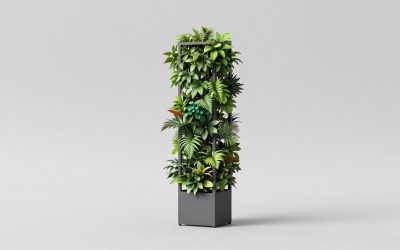
- Best tall statement planter: Kante tall planter, about 21.7 in. high, concrete-fiberglass blend with drainage plugs.
- Best set for grouping: Plantara round concrete/fiberglass set of three (about 17.3, 13.3 and 10.6 in. high), weathered concrete finish.
- Best for entryways and corners: Plantara tall round set of two, about 23.6 in. high.
- Best entry-level pick: FaithLand 12 in. fiberstone cylinder with drainage hole and plug.
- Best large frost-resistant cylinder: Jupiter 31.5 in. fiberglass cylinder.
- Best for a permanent, heavy look: Campania International cast-stone planters (true cast concrete or stone composite).
How we chose
We compared the planter classes that patio buyers actually weigh against each other, then checked which named models appear repeatedly in current buying guides and manufacturer listings. Our criteria were material and weight, drainage design, frost behavior, finish and sealing needs, size range, and how well the planter works at patio scale (grouped on pavers, on a deck, or beside a door). We did not run physical trials, so anything we could not confirm from a listing is described by class, not by number.
Three limits matter. First, most “best concrete planter” pages repeat the same few brands, so a model’s popularity tells you about marketing as much as quality. Second, frost-resistance claims are frequently marketing copy; look for a warranty or stated freeze-thaw rating. Third, many listings change dimensions between sizes, so the weight of one size says little about another.
Concrete, fiberglass-concrete and fiberglass: what you are really buying
Pure cast concrete or stone
Solid cast concrete is dense, stable in wind, and looks authentic because it is. It is also very heavy, hard to reposition once filled with soil, and prone to cracking if it holds water through a freeze. It suits permanent positions: flanking steps, anchoring a corner, or lining a wall where it never moves. Plan on a dolly, two people, and a level base.
Fiberglass-reinforced concrete blends
Blends mix cement with fiberglass reinforcement and often polymer or stone dust. The result looks like concrete with a lower wall thickness and much less weight. Buying guides describe one Kante model at roughly 9.9 lb, which illustrates the scale of the savings compared with a solid concrete pot of similar volume. Because the walls are thin, blends are more forgiving when you move them but less likely to stay put in strong wind when empty or lightly planted.
Fiberglass or fiberstone “concrete look”
These use a resin or fiberglass shell with a concrete-style paint or texture. They are the lightest, usually the easiest to ship, and handle freezing well because the shell is not porous. The trade-off is authenticity up close: a rap with your knuckle sounds hollow, and the finish can chip over years of sun.
Comparison table
| Model class | Material | Weight class | Drainage | Frost handling | Sealing needed | Best patio use |
|---|---|---|---|---|---|---|
| Kante round bowl, 15.7 in. | Concrete-fiberglass blend | Light | Hole with plug | Good when drained and raised | Reseal about every 2 years per published guidance | Table centerpiece, herbs, succulents |
| Kante tall, about 21.7 in. | Concrete-fiberglass blend | Light to medium | Drainage plugs | Good when drained and raised | Periodic resealing | Door flankers, shrubs |
| Plantara set of 3 | Concrete/fiberglass | Light | Hole in each | Good when drained | Check maker guidance | Grouped display, mixed heights |
| Plantara tall set of 2, 23.6 in. | Concrete/fiberglass | Light to medium | Hole in each | Good when drained | Check maker guidance | Entryway pair |
| FaithLand 12 in. cylinder | Fiberstone | Very light | Hole with plug | Shell not porous | Usually none | Small balcony, herbs |
| Jupiter 31.5 in. cylinder | Fiberglass | Light for its size | Check listing | Frost-resistant per listing | None | Tall privacy plantings |
| Campania cast stone | Cast stone or concrete | Very heavy | Hole in base | Needs good drainage and winter prep | Often recommended | Permanent focal point |
Sealed versus unsealed finishes
Raw concrete is porous. An unsealed pot soaks up water, stains from fertilizer and soil, grows moss on the shaded side, and in freezing weather that absorbed water expands inside the wall. A penetrating or topical sealer slows all of that. Published guidance for Kante-style blends is to reseal about every two years to keep their frost resistance, and a sealed finish is easier to wipe clean.
Seal the outside and the rim, and let the sealer cure fully before planting. Do not seal the inside floor so thoroughly that water cannot leave; drainage is the point of the hole, and sealing the hole itself defeats it. One guide suggests sealing the drainage holes in cold climates, which conflicts with ordinary drainage logic, so we advise the opposite for most gardens: keep the hole open and lift the pot instead.
A factory-sealed finish is a real selling point if you want low maintenance. A raw, matte finish looks more natural but gives you a recurring chore. Decide which one you will actually keep up.
Frost cracking: why planters crack and how to prevent it
Frost cracks follow a simple chain. Water enters the wall or pools in the base, freezes, expands about nine percent, and the wall fails along its weakest line. Soil that stays saturated adds to the load. The prevention steps are the same for every material, and they matter more than the badge on the box.
- Keep the drainage hole open. Remove the plug in the wet season if the listing includes one; a plug is for indoor use over a saucer.
- Raise the pot. Pot feet or small risers keep the hole clear of ice and let air move beneath.
- Use a straight or slightly tapered profile. Pots that narrow at the neck trap expanding soil and crack at the shoulder.
- Do not leave soaked soil in winter. In freeze-thaw climates, empty or cover pots holding bare soil, or move small ones to a sheltered wall.
- Reseal on schedule if the material is porous.
Fiberglass and fiberstone shells shrug off most of this because they are barely porous. Pure concrete is the one that needs the full routine.
Worked example: how heavy will it be once it is planted?
Empty weight is only part of the load. Use this step-by-step estimate before choosing a spot on a deck or a balcony.
- Estimate the soil volume. A round planter 16 in. wide and 14 in. deep holds about 1.6 cubic feet of mix once you account for the thick base and wall.
- Wet potting mix weighs roughly 40 to 50 lb per cubic foot. At 45 lb per cubic foot, 1.6 cubic feet is about 72 lb.
- Add the plant and water. A shrub or mixed planting adds 5 to 15 lb. Call it 85 lb for the soil and plant.
- Add the empty planter weight. A lightweight blend adds around 10 to 20 lb; a solid concrete pot of the same shape can add 60 to 100 lb.
- Total: roughly 95 to 105 lb for the blend versus 145 to 185 lb for solid concrete.
The planter material changes the finished weight by around half. If your deck is rated for limited point loads, or you plan to move pots seasonally, the lighter material is the better choice. Fill the bottom third of tall pots with lightweight fill such as foam packing blocks or empty sealed bottles, topped with landscape fabric, to cut soil weight without hurting drainage in the root zone.
Sizing: match the planter to the plant and the space
- Under 12 in. wide: herbs, succulents, annual color. Dries out fast in sun, so plan on frequent watering.
- 12 to 18 in. wide: perennials, small shrubs, citrus on a dwarf rootstock, seasonal mixes. This is the most flexible patio size.
- 18 to 24 in. wide or taller than 24 in.: small trees, ornamental grasses, privacy screens. Needs a stable base and wind consideration.
As a rule, choose a pot at least 2 in. wider than the nursery container and match the pot depth to the root system. Tall narrow planters suit columnar evergreens but tip easily when lightly planted; weigh the base with stones or choose a wider footprint.
Our picks: the 8 best concrete planters for patios
1. Kante round bowl planter, 15.7 in.
Spec line: 15.7 in. diameter · concrete-fiberglass blend · drainage hole with plug · light weight class · indoor and outdoor use.
Best for: A tabletop centerpiece or a pair on either side of a bench; shallow-rooted plants like succulents, herbs and seasonal flowers.
Skip if: You need a deep planter for a tall shrub or a very windy balcony where a light pot may shift.
Pros: Frequently recommended in buying guides; concrete look with little weight; plug lets you use indoors with a saucer.
Cons: Published guidance suggests resealing about every two years; wide shallow shape dries quickly in full sun.
2. Kante tall planter, about 21.7 in. high
Spec line: about 21.7 in. high · concrete-fiberglass blend · drainage plugs · light to medium weight class · some models marketed with an anti-frost coating.
Best for: Flanking a door, framing steps, or holding a dwarf evergreen or ornamental grass.
Skip if: You want a very wide base for stability, since tall forms are easier to knock over when lightly planted.
Pros: Height adds presence without a heavy lift; consistent finish across a pair.
Cons: Anti-frost claims are marketing language, so confirm the coating and warranty on the listing; raise it off frozen ground in winter.
3. Plantara round concrete/fiberglass pot, 18.1 in. high, pure white
Spec line: about 18.1 in. high · round · concrete/fiberglass · drainage hole · white finish · single planter.
Best for: A modern, clean look beside dark furniture, or a bright accent against a gray patio.
Skip if: You want to hide dirt and moss; light finishes show stains faster.
Pros: Handmade appearance; flexible indoor or outdoor placement.
Cons: White surfaces need cleaning; check drainage plug details before using over a surface that stains.
4. Plantara round set of three, weathered concrete
Spec line: three round pots about 17.3, 13.3 and 10.6 in. high · concrete/fiberglass · drainage holes · weathered concrete finish.
Best for: A staggered grouping on a corner of the patio; combining a shrub, a perennial and a trailing plant.
Skip if: You only need one large pot, since a set spreads the cost over sizes you may not use.
Pros: Matching finishes make grouping easy; three heights give a built-in display.
Cons: The smallest pot is shallow for woody plants; weathered finishes vary slightly between pieces.
5. Plantara tall round set of two, 23.6 in. high
Spec line: two round pots about 23.6 in. high · concrete/fiberglass · drainage holes · weathered concrete finish.
Best for: A symmetrical pair at an entryway or on either side of a patio opening.
Skip if: You need to move pots often when full; tall pots with soil are awkward to shift alone.
Pros: Good height for small trees, topiary and tall grasses; matched pair.
Cons: Narrow base makes weighting or staking important in exposed spots.
6. FaithLand 12 in. fiberstone cylinder
Spec line: 12 in. · lightweight fiberstone · concrete look · drainage hole with plug · cylinder profile.
Best for: Balconies, window ledges, herb gardens and anyone starting with an entry-level budget.
Skip if: You want a convincing concrete texture up close, or a pot large enough for a perennial shrub.
Pros: Very light; non-porous shell handles frost; straight sides release soil easily.
Cons: Not real concrete; small volume dries quickly in summer.
7. Jupiter 31.5 in. fiberglass cylinder
Spec line: 31.5 in. high · fiberglass · cylinder · listed as lightweight and frost resistant · confirm drainage setup on the listing.
Best for: A tall privacy planting, a bamboo screen alternative, or a bold vertical element at the corner of a deck.
Skip if: Your deck has a strict weight limit when full of wet soil, or you need pre-drilled holes and the listing does not provide them.
Pros: Large volume for the weight; non-porous shell.
Cons: Some fiberglass planters ship without pre-drilled holes, so you may need to drill your own; finish can chip with impacts.
8. Campania International cast-stone planter
Spec line: cast stone or concrete composite · very heavy weight class · base drainage hole · many sizes and styles · confirm dimensions per model.
Best for: A permanent focal point in a landscape where the planter will never move and you want a genuinely solid, weathered look.
Skip if: You need to move planters seasonally, live on an upper-floor balcony, or want low-effort winter handling.
Pros: Stable in wind; authentic mass and texture; ages gracefully.
Cons: Heavy to deliver and position; needs good base drainage and winter care in freezing climates.
Buying checklist
- Drainage hole: at least one hole; larger pots should have more than one or a wide hole.
- Weight when planted: estimate with the worked example above and compare with your surface rating.
- Frost: in freeze-thaw climates, favor fiberglass or fiberstone, or commit to sealing and draining a porous blend.
- Finish: matte weathered finishes hide dirt; white and light finishes show it.
- Warranty: frost and chipping claims should be backed by a stated policy, not only photos.
- Feet or risers: if none are included, buy them with the planter.
Frequently asked questions
Are concrete planters good for patios?
Yes, concrete-look planters work well on patios when they have drainage holes and match the weight your surface can take. Fiberglass-concrete blends are the easiest to place and move.
Solid concrete suits permanent positions at ground level. On decks, balconies or upper floors, use a lightweight blend so wet soil does not overload the surface.
Do concrete planters crack in winter?
Porous concrete can crack when absorbed water freezes, but good drainage, raising the pot and sealing greatly reduce the risk. Fiberglass shells are far less prone.
Keep the drainage hole open, avoid leaving saturated soil in the pot through a hard freeze, and use pot feet so ice does not block the hole.
Should I seal a concrete planter?
Sealing porous concrete is a good idea because it slows water absorption, staining and moss. Reseal roughly every two years or as the maker advises.
Seal the exterior and let it cure fully before planting. Leave drainage holes open so water can leave the pot.
How heavy are concrete planters when filled?
A mid-size planter can weigh about 100 lb planted with a lightweight blend, and well over 150 lb with solid concrete. The soil is usually the heaviest part.
Wet potting mix is roughly 40 to 50 lb per cubic foot. Multiply by the soil volume, then add the planter and plant weights.
Is fiberglass-concrete as durable as real concrete?
It is durable enough for most patios and more forgiving against cracking, but it feels lighter and can shift in wind. Real concrete lasts longer in permanent spots.
Blends can also chip at the rim if knocked. Use a quality sealer and avoid dragging pots across hard surfaces.
Do I need to drill drainage holes?
Most concrete-look planters ship with a hole, but some fiberglass models do not. If there is no hole, drill one or use a nursery pot inside as a liner.
Never plant directly in a pot with no drainage; standing water rots roots and promotes frost damage.
What size planter is best for a small patio?
A 12 to 18 in. wide planter is the most flexible choice for small patios. It holds a perennial or small shrub without overwhelming the space.
Group two or three sizes together instead of scattering many small pots; the cluster looks intentional and is easier to water.
Can I leave planters outside all winter?
Fiberglass and fiberstone planters usually can. Porous concrete planters can stay out if sealed, drained and raised, but moving small ones to shelter is safer.
Empty the soil from valuable pots in very cold regions, or cover them so rain and snowmelt do not saturate the mix.
Final recommendation
For most patios, start with the Kante round bowl or tall planter, or the Plantara sets, because the weight is manageable and the look is convincing. Choose FaithLand for small spaces and entry-level needs, Jupiter when you need a tall frost-resistant column, and a Campania cast-stone planter when you want a permanent, heavy centerpiece. Whichever you buy, keep the drainage hole open, raise the pot, and estimate the planted weight before you decide.