Key takeaways
- Ceramics crack first when watered at night before a freeze. Water in the morning and let excess drain.
- Mums bought in bloom last a few weeks; for a longer display, buy plants with unopened buds.
- Empty and dry unglazed pots before winter, or move them against the house.
- Wipe pot rims and bases to prevent stains on porch surfaces.
The best fall planters are frost-tolerant containers at least 14 inches wide, in fiber-clay, glazed ceramic, cast stone or galvanized steel, filled with mums, ornamental kale, pansies and grasses. Wide, deep pots protect roots from temperature swings, and a thriller-filler-spiller mix keeps the display full until a hard freeze. Choose the container by climate first, and the plants second.
Our top picks
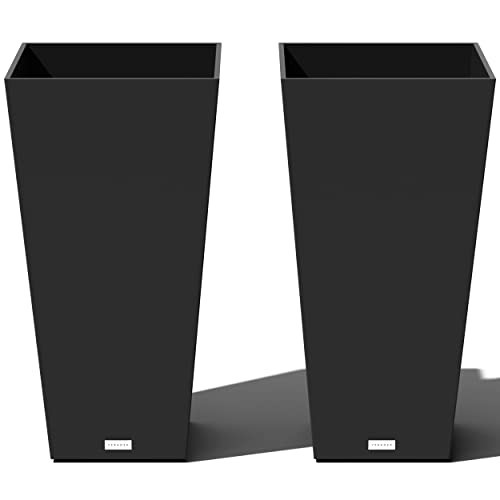

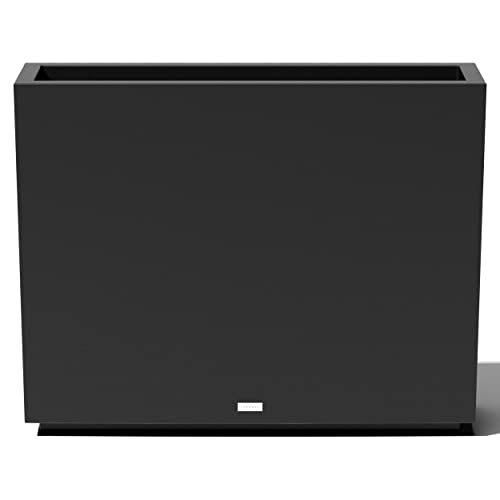

As an Amazon Associate we earn from qualifying purchases at no extra cost to you.
Quick Comparison of Fall Planter Types
| Planter type | Best for | Good size | Frost behavior | Weight (14 in, empty) | Price range |
|---|---|---|---|---|---|
| Fiber-clay (fiberstone) | Best overall | 14-20 in | Handles freeze-thaw in most climates | 6-12 lb | Mid |
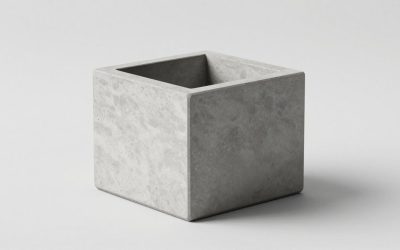
| Cast stone or concrete | Best for cold winters | 14-24 in | Very durable | 25-50 lb | Mid to upper-mid |
| Glazed ceramic | Best for color | 12-18 in | Can crack if soil stays wet and freezes | 10-20 lb | Mid |
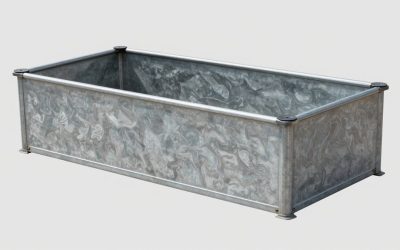
| Galvanized metal tub | Best rustic look | 12-20 in | Frost-proof, drain holes needed | 3-8 lb | Budget to mid |
| Resin or plastic | Best budget | 12-24 in | Flexes, resists cracking | 2-6 lb | Budget |
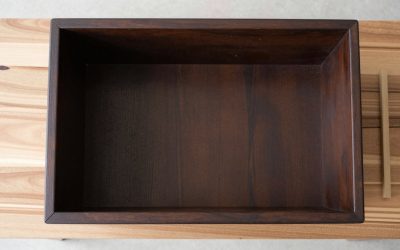
| Wood half-barrel | Best for big displays | 20-26 in | Durable, may rot at base | 20-40 lb | Mid |
Weights and sizes are typical ranges for each material class; always confirm the dimensions and frost guidance on the product page.
Best Overall: Fiber-Clay Planters
Fiber-clay combines clay and fiber to give a stone look at a fraction of the weight. A 14 to 18 inch pot is large enough to hold soil moisture and buffer roots against cold nights. Trade-off: unglazed finishes absorb water, so empty them or raise them on feet in freezing regions.
Best for Cold Winters: Cast Stone
Thick cast stone or concrete resists cracking and stays put in wind. It suits porches that face open streets. The trade-off is weight and a steeper price, so decide on placement before filling it.
Best for Color: Glazed Ceramic
Glazed pots in rust, deep green or cream fit fall displays well. Ceramic cracks if saturated soil freezes, so keep drain holes clear, lift the pot on pot feet, and move it to a sheltered spot if a hard freeze is forecast.
Best Rustic Look: Galvanized Tub
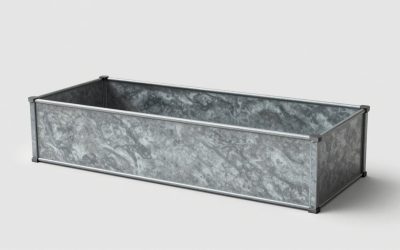
A galvanized tub with drilled drain holes pairs well with pumpkins and mums. It is cheap, light and frost-proof. It conducts cold and heat faster than thick pots, so roots feel swings sooner; pick a deeper tub and insulate with a layer of mulch.
Best Budget: Resin Planters
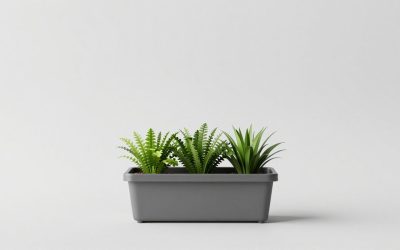
Modern resin planters imitate terra-cotta or stone and weigh little, which suits renters. Choose UV-stabilized models; thin plastic can fade and become brittle over several seasons.
Best Plants for Fall Containers
| Plant | Role | Cold tolerance (general) | Spacing in 16 in pot |
|---|---|---|---|
| Garden mum | Thriller or filler | Light frost; dies in hard freeze | 1 large plant |
| Ornamental kale or cabbage | Focal point | Often into the low 20s F, colors deepen in cold | 1-3 plants |
| Pansy or viola | Filler | Light freezes | 3-5 plants |
| Ornamental grass | Thriller | Usually hardy; dries to tan | 1 plant |
| Sedum | Filler | Hardy | 1-2 plants |
| Ivy or creeping Jenny | Spiller | Hardy in many zones | 2 plants |
How to Build a Fall Planter in Five Steps
- Check drainage. Make sure the pot has at least one hole of 1/2 inch or larger so water does not sit and freeze.
- Fill with container mix. Use a potting mix for containers; garden soil compacts and drains poorly.
- Place the tall plant first. Put the thriller at the back or center, depending on whether the pot will be viewed from one side or all sides.
- Add fillers, then spillers. Pack plants more closely than in spring because they will not grow much in cool weather.
- Water in and mulch. Water until it runs from the base, then add a thin layer of bark or leaf mulch to hold moisture.
Worked Example: Soil for a 16-Inch Pot
A pot 16 inches across and 14 inches deep has an inner radius of about 7.5 inches. Volume is roughly 3.14 x 7.5 x 7.5 x 12 inches of soil depth, which is about 2,120 cubic inches or 1.2 cubic feet. That is around one and a quarter large bags of potting mix (a 1-cubic-foot bag fills the pot just under full). Leave an inch below the rim so water does not spill over.
Color and Design Combinations That Work
Three simple palettes cover most porches. A warm palette pairs rust or gold mums with bronze grasses and a terracotta or cream pot. A cool palette combines purple ornamental kale, blue-gray pansies and a charcoal galvanized tub. A natural palette sticks to green and cream with ivy, white pansies and a stone-toned pot. Repeat the same plant in two pots flanking a door for a balanced look, and use odd numbers of containers, such as three at different heights, when you group them on steps. Add a small pumpkin or gourd as a seasonal accent, but keep it off wet soil to avoid rot.
When to Plant and How Long It Lasts
Plant six to eight weeks before your first expected hard freeze. That gives roots time to settle, and cool-season plants perform best in cool soil. Most mum displays look good for four to six weeks, while kale, grasses and pansies often carry on through early winter in moderate climates. As temperatures drop, move pots to a spot against the house, where walls radiate heat and wind is reduced. If a hard freeze is forecast, cover plants overnight with a breathable fabric or move small pots into a garage, then put them back in the morning. Deadhead spent mum blooms weekly to extend flowering.
Decision Matrix
| Your climate or goal | Choose | Plants |
|---|---|---|
| Mild fall, no freeze until December | Glazed ceramic | Mums, kale, pansies |
| Hard freezes by November | Cast stone or fiber-clay | Kale, grasses, sedum |
| Rental porch | Resin | Lightweight combos |
| Rustic farmhouse | Galvanized tub | Mums and pumpkins |
| Long-lasting display | Large pot with grasses and kale | Cool-weather plants |
Ownership Realities
- Ceramics crack first when watered at night before a freeze. Water in the morning and let excess drain.
- Mums bought in bloom last a few weeks; for a longer display, buy plants with unopened buds.
- Empty and dry unglazed pots before winter, or move them against the house.
- Wipe pot rims and bases to prevent stains on porch surfaces.
Frequently Asked Questions
What plants last the longest in fall planters?
Ornamental kale, cabbage, grasses, sedum and pansies last the longest because they tolerate cold. Mums are showy but usually fade after a hard freeze.
What size pot is best for a fall display?
A 14 to 18 inch diameter pot is a good general size, because the larger soil volume resists temperature swings and fits several plants.
Will mums survive winter in a pot?
Some garden mums are hardy, but potted mums are less likely to survive because roots freeze. Plant them in the ground in fall to improve odds.
Can I leave ceramic planters outside in winter?
It is risky in freezing regions. Empty and store them, or choose frost-resistant materials such as fiber-clay, cast stone or resin.
How often should I water fall planters?
Check the top inch of soil every few days. Cool weather slows evaporation, so many pots need water only once or twice a week.