
Key takeaways
- Best all-round unisex hat: Columbia Bora Bora Booney (UPF 50+, mesh vent panel, chin strap).
- Best for hot weather: Henschel Aussie Mesh Breezer (3-inch brim, mesh crown, UPF 50+).
- Best for wind: Sloggers Women’s Wide Brim Braided Sun Hat (UPF 50+, lanyard chin strap).
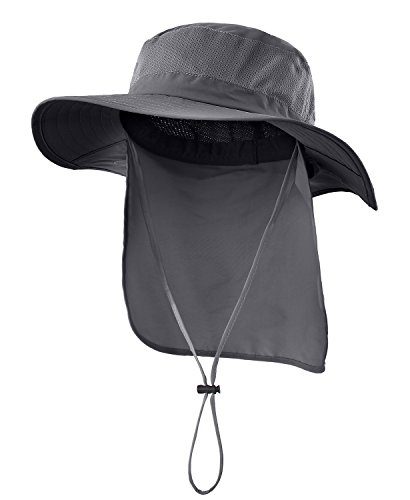
- Best for neck and ear coverage: lenikis Unisex Outdoor Sun Hat with Neck Flap (UPF 50+).
- Best for ponytails: Muryobao Women’s Mesh Wide Brim Hat (ponytail opening, UPF 50+).
- Best budget polyester wide-brim: EINSKEY Wide Brim Sun Hat (UPF 50+ polyester with mesh).
- Best flap-style hat for long days: Sunday Afternoons Adventure Hat (neck protection).
- Best for sweaty or wet work: Coolibar chlorine-resistant wide brim hat, a UPF-rated option from a sun-protection specialist.
The best gardening hat is a tightly woven, UPF 50+ wide-brim hat with a chin strap, and the strongest picks are the Columbia Bora Bora Booney for all-round sweat-wicking comfort, the Henschel Aussie Mesh Breezer for hot summers, the Sloggers Women’s Wide Brim Braided Sun Hat for windy beds, and the lenikis sun hat with neck flap for full neck coverage. A decorative straw hat with no UV rating, however pretty, is the wrong tool for hours bent over a flower bed.
Gardeners get sun from unusual angles. When you bend to weed, the back of your neck and ears face the sky for an hour at a time, and a plain baseball cap leaves both exposed. A good gardening hat needs a brim that works while you are bent over, fabric that actually blocks ultraviolet light, ventilation so you do not overheat in July, and a retention system so it stays on when you lean down. This guide sorts hats by those criteria and gives concrete thresholds so you can judge any hat, not just the ones listed here.
Our top picks


As an Amazon Associate we earn from qualifying purchases at no extra cost to you.
Quick Picks
- Best all-round unisex hat: Columbia Bora Bora Booney (UPF 50+, mesh vent panel, chin strap).
- Best for hot weather: Henschel Aussie Mesh Breezer (3-inch brim, mesh crown, UPF 50+).
- Best for wind: Sloggers Women’s Wide Brim Braided Sun Hat (UPF 50+, lanyard chin strap).
- Best for neck and ear coverage: lenikis Unisex Outdoor Sun Hat with Neck Flap (UPF 50+).
- Best for ponytails: Muryobao Women’s Mesh Wide Brim Hat (ponytail opening, UPF 50+).
- Best budget polyester wide-brim: EINSKEY Wide Brim Sun Hat (UPF 50+ polyester with mesh).
- Best flap-style hat for long days: Sunday Afternoons Adventure Hat (neck protection).
- Best for sweaty or wet work: Coolibar chlorine-resistant wide brim hat, a UPF-rated option from a sun-protection specialist.
How We Chose
This guide is built from desk research, not first-hand evaluation. We compared manufacturer specifications and the product details published in independent gardening and outdoor buying guides, then checked which hats are still sold in 2026. Where a specification such as brim width or UPF rating could not be confirmed, we say so or describe the hat by its class. The criteria we weighted were certified UPF rating, brim width and coverage, retention (chin strap, drawcord or lanyard), ventilation, packability and washability. Fashion and price tier mattered least.
Comparison Table
| Hat | UPF | Brim / coverage | Ventilation | Retention |
|---|---|---|---|---|
| Columbia Bora Bora Booney | 50+ | Booney brim, width not confirmed | Mesh vent panel, wicking headband | Adjustable chin strap, toggle |
| Henschel Aussie Mesh Breezer | 50+ | 3 in brim | Mesh crown, polycotton | Chin cord |
| Sloggers Women’s Wide Brim Braided Sun Hat | 50+ | Wide brim, braided straw | Open braid | Adjustable chinstrap or lanyard |
| lenikis Sun Hat with Neck Flap | 50+ | Brim plus neck flap | Lightweight, water-resistant | Adjustable band and chin strap |
| Muryobao Women’s Mesh Wide Brim Hat | 50+ | Wide brim | Mesh crown | Adjustable, ponytail opening |
| EINSKEY Wide Brim Sun Hat | 50+ | Wide brim | Breathable mesh, 100% polyester | Adjustable fit |
| Sunday Afternoons Adventure Hat | UPF-rated class | Brim plus neck protection | Vented design | Chin cord class |
| Coolibar chlorine-resistant wide brim | UPF-rated class | Wide brim | Light fabric | Varies by model |
What to Look For: Buying Criteria and Thresholds
A real UPF rating
UPF 50+ means the fabric blocks about 98 percent of ultraviolet radiation. Many hats marketed for gardening have no rating at all. Loosely woven straw lets sunlight through the gaps, and a hat can look protective while the light passing through the weave still reaches your scalp. Look for a rating stated on the product page or label, and favor tightly woven synthetic or polycotton fabrics. A hat with no stated rating is unrated, no matter how thick it feels.
Brim width
For the face, aim for a brim of about 3 inches all the way around. For serious sun exposure or fair skin, 4 inches or more covers more of the ears and neck. A narrower brim, like a baseball cap visor, shades the nose and forehead but leaves the ears and neck open. The Henschel Aussie Mesh Breezer sits at 3 inches, which is the practical minimum for gardening in full sun.
Neck coverage
The neck is the part gardeners forget. A removable or fixed neck flap, as on the lenikis and Sunday Afternoons hats, protects the area most exposed when you bend over. If you prefer a classic brim, a hat with a longer back brim does a similar job. For low-angle sun in the early morning or late afternoon, a flap adds more protection than extra brim width.
Ventilation
Heat builds under a hat when you are working hard. Mesh crown panels, as on the Muryobao, Henschel and EINSKEY hats, move hot air out. A sweat-wicking headband, like the one on the Columbia Bora Bora Booney, keeps perspiration out of your eyes. Dark colors absorb heat while light colors reflect it, so choose a lighter shade for hot climates.
Retention
Bending over catches wind and gravity at the same time. A chin strap or lanyard, as on the Sloggers hat and the Columbia booney, keeps the hat on your head. A drawcord or adjustable band is helpful for fit. If you have a ponytail, a rear opening like the Muryobao design keeps the hat seated and avoids tilting it forward.
Washability and packability
Garden hats get sweaty and muddy. Polyester and polycotton hats can be rinsed and air-dried. Crushable designs, like the Henschel Aussie Mesh Breezer, can be tucked into a tool bag without losing shape, whereas stiff straw hats should be stored on a hook.
Our Top Picks
1. Columbia Bora Bora Booney
Spec line: UPF 50+ · mesh vent panel · wicking headband · adjustable chin strap
Best for: Gardeners who want one dependable hat for every season and every task.
Skip if: You want a very wide brim or fashionable styling; styling options are limited.
- Pros: Certified sun protection, ventilation, a secure chin strap and a headband that manages sweat.
- Cons: A traditional booney shape does not offer a long rear flap.
2. Henschel Aussie Mesh Breezer
Spec line: UPF 50+ · 3 in brim · polycotton with mesh crown · chin cord · crushable
Best for: Hot, humid summers and anyone who prioritizes airflow over style.
Skip if: You want a brim wider than 3 inches or you need a neck flap.
- Pros: Breathable crown, light weight, packable shape and a chin cord.
- Cons: A 3-inch brim leaves the ears partly exposed in low-angle sun.
3. Sloggers Women’s Wide Brim Braided Sun Hat
Spec line: UPF 50+ · braided straw · wide brim · adjustable chinstrap or lanyard
Best for: Windy gardens and gardeners who want a classic straw look with a rated UPF.
Skip if: You want a crushable hat for a tool bag; straw holds a shape and can crease.
- Pros: Rated sun protection in a traditional style, lightweight and secured by a lanyard.
- Cons: Braided straw is bulkier to pack and needs gentle cleaning.
4. lenikis Unisex Outdoor Sun Hat with Neck Flap
Spec line: UPF 50+ · neck flap · lightweight and packable · water-resistant · adjustable chin strap
Best for: Bent-over tasks such as weeding, planting and mulching where the neck faces the sky.
Skip if: You dislike the look of a flap hat; style is utilitarian.
- Pros: Neck coverage, a chin strap and low weight.
- Cons: A flap can feel warm in extreme heat, so remove or roll it up when possible if the design allows.
5. Muryobao Women’s Mesh Wide Brim Hat
Spec line: UPF 50+ · wide brim · mesh crown · ponytail opening · foldable and crushable
Best for: Gardeners who wear a ponytail or a bun and want ventilation.
Skip if: You prefer a structured shape; mesh hats are soft.
- Pros: Ponytail hole, airflow, packable.
- Cons: A soft brim can flop in wind unless you use the adjustment.
6. EINSKEY Wide Brim Sun Hat
Spec line: UPF 50+ · 100% polyester · breathable mesh · adjustable fit
Best for: A budget-friendly synthetic hat that is easy to wash.
Skip if: You want a natural-fiber look and feel.
- Pros: Rated fabric, mesh ventilation, simple washing.
- Cons: Polyester can feel warmer than cotton blends in still, humid air.
7. Sunday Afternoons Adventure Hat
Spec line: UPF-rated sun fabric class · neck protection · vented design · chin cord class
Best for: Long days outdoors where neck coverage matters as much as the brim.
Skip if: You want a compact, stylish hat for short garden visits; confirm the current rating on the product page.
- Pros: A well-known neck-protection design from a hat specialist.
- Cons: Specifications vary by model year, so check the label.
8. Coolibar Chlorine-Resistant Wide Brim Hat
Spec line: UPF-rated class · wide brim · light synthetic fabric
Best for: Gardeners who sweat heavily, wash hats often or garden near a pool.
Skip if: You want a hat with a built-in neck flap; confirm the current UPF number before buying.
- Pros: Made by a company focused on sun-protective clothing, and the fabric tolerates frequent washing.
- Cons: A premium tier relative to basic garden hats.
What to Skip
Decorative straw hats, such as the Quiksilver wide-brim straw hat, are comfortable and stylish, but the listing gives no UV protection rating. For ordinary garden walks, that is fine. For an hour of weeding in July, it is a gamble. Baseball caps and visors are similar: they shade the face but leave the ears and neck exposed.
Fit and Task Matrix
| Your situation | Choose | Threshold | Example |
|---|---|---|---|
| Weeding and bending over | Neck flap or long back brim | Covers back of neck when head is down | lenikis, Sunday Afternoons |
| Hot, humid climate | Mesh crown, light color | Mesh panels, wicking band | Henschel, Muryobao, Columbia |
| Windy site | Chin strap or lanyard | Strap that stays under the chin | Sloggers, Columbia |
| Long hair | Ponytail opening | Rear hole or high crown | Muryobao |
| Fair skin or sun sensitivity | 4 in or wider brim, UPF 50+ | Rated fabric, full-circle brim | Wide-brim picks with neck flap |
| Frequent washing | Synthetic or polycotton | Machine- or hand-washable | EINSKEY, Coolibar |
Worked Example: How Wide Does the Brim Need to Be?
A brim shades your face by casting a shadow that falls away from the sun. The geometry is simple. If the brim edge sits about 7 inches above your chin, the shadow’s horizontal reach is 7 divided by the tangent of the sun’s elevation angle. At 60 degrees elevation, which is common near midday in summer, tan(60) is about 1.73, so the shadow edge lands about 4 inches from the point directly below the brim. A 3-inch brim therefore shades most of the face and nose at high sun, though a sliver of chin can still be exposed. At 30 degrees elevation, in the morning or late afternoon, tan(30) is about 0.58, and the shadow reaches about 12 inches. No garden hat has a brim that wide, so the sun comes in at an angle and hits the cheeks and ears. That is why a neck flap and the ears matter more at low sun, and why a chin strap that keeps the hat level helps. Practical rule: choose at least a 3-inch brim for midday work, add a neck flap or sunscreen for the low-sun hours, and wear a chin strap so the brim stays level.
Care Tips
- Rinse sweat out of hat bands regularly, since salt weakens elastic and fabric over time.
- Follow the label: many synthetic hats can be hand-washed and air-dried.
- Do not wring or fold straw hats while wet, as they can crack or lose shape.
- UPF treatments can wear down with heavy washing and years of sun, so replace a hat that looks thin or faded.
- Pair the hat with sunscreen on the face and neck, and with long sleeves for extended sessions.
Frequently Asked Questions
What is the best hat for gardening?
Choose a UPF 50+ wide-brim hat with a chin strap and ventilation. The Columbia Bora Bora Booney and Henschel Aussie Mesh Breezer are strong all-round options.
For bent-over tasks, add neck coverage with a flap-style hat such as the lenikis model.
What UPF rating should a gardening hat have?
Look for UPF 50+, which blocks about 98 percent of ultraviolet radiation. Anything lower gives less protection during long sessions.
Check that the rating applies to the fabric itself, not just a marketing claim on an unrated straw hat.
How wide should the brim be on a garden hat?
Aim for a brim of at least 3 inches, and 4 inches or more for fair skin. Wider brims shade more of the ears and neck.
A narrower brim leaves your ears open, so pair it with a neck flap or sunscreen.
Are straw hats good for gardening?
Only if they carry a UPF rating and a tight weave. The Sloggers braided straw hat is rated UPF 50+, while many decorative straw hats are not rated.
Loose straw lets light through gaps, so unrated models give weaker protection than the look suggests.
How do I keep a hat on in the wind?
Use a chin strap, lanyard or drawcord, and adjust it so the hat sits level on your head. The Sloggers and Columbia hats include a strap.
A snug fit prevents the hat from tipping forward when you bend over.
What hat is best for hot weather gardening?
A hat with a mesh crown and a sweat-wicking band is best. The Henschel Aussie Mesh Breezer and Muryobao hat are good examples.
Choose light colors and avoid heavy, dense fabrics that trap heat during summer afternoons.
Do I need a neck flap for gardening?
A neck flap is worth having if you spend long periods bent over. It protects the back of the neck, which a plain brim leaves exposed.
The lenikis and Sunday Afternoons hats include neck protection.
How do I wash a gardening hat?
Hand wash synthetic hats in mild soap and air-dry them. Do not wring straw hats, and keep them away from direct heat.
Wash sweat from hat bands often, and replace hats with thin, faded fabric, because UPF protection can decline over time.
Bottom Line
A garden hat should do four things: block ultraviolet light, shade the face and neck while you bend, breathe in summer heat and stay on in the wind. Start with a rated UPF 50+ fabric and a brim of at least 3 inches, then choose between a booney like the Columbia, a mesh hat like the Henschel or Muryobao, a braided straw like the Sloggers or a flap hat like the lenikis. If the hat has no stated rating, treat it as a style piece rather than sun protection.


