Key takeaways
- Best Overall for Steep Hills: Dreame A3 AWD 2000 robot mower, listed for slopes up to 38.7 degrees (80 percent).
- Best Compact Robot: Mammotion LUBA mini 2 AWD 1500H, listed for 0.37 acres and 80 percent slopes.
- Best Wire-Free 4WD for Larger Lawns: WORX Landroid WR342, a 4WD wire-free robot mower sized for half an acre.
- Best Value Walk-Behind: PowerSmart 21-inch 170cc self-propelled gas mower with rear-wheel drive.
- Best Cordless Walk-Behind: Greenworks 60V 21-inch self-propelled mower with a brushless motor.
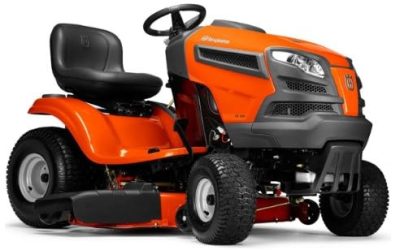
- Best Rider for Gentle Hills: Husqvarna TS 140X 48-inch lawn tractor.
- Best for Rough Banks: BILT HARD self-propelled walk-behind string trimmer mower, 22-inch, 170cc.
The best mower for a steep slope is usually the one that keeps traction and keeps you out of rollover range, which means an all-wheel-drive robot mower such as the Dreame A3 AWD 2000 for a hands-off option, or a rear-wheel-drive self-propelled walk-behind such as the PowerSmart 21-inch 170cc if you would rather mow yourself. Riding mowers and zero-turns can handle gentle grades, but manufacturers set firm slope limits, so read the manual before putting any rider on a hill. This guide to the best mowers for steep slopes, steep hills and uneven lawns compares robot, walk-behind and rider options, and explains how to judge the slope in your own yard.
This guide is research-based. We compared listing details, manufacturer information and independent mowing-safety guides, and we did not personally use these products. Slope figures below come from the listings or manufacturer pages; where a slope rating is not listed we say so, and we never invent numbers. Your own mower manual always takes precedence.
Our top picks


As an Amazon Associate we earn from qualifying purchases at no extra cost to you.
Top Picks at a Glance
- Best Overall for Steep Hills: Dreame A3 AWD 2000 robot mower, listed for slopes up to 38.7 degrees (80 percent).
- Best Compact Robot: Mammotion LUBA mini 2 AWD 1500H, listed for 0.37 acres and 80 percent slopes.
- Best Wire-Free 4WD for Larger Lawns: WORX Landroid WR342, a 4WD wire-free robot mower sized for half an acre.
- Best Value Walk-Behind: PowerSmart 21-inch 170cc self-propelled gas mower with rear-wheel drive.
- Best Cordless Walk-Behind: Greenworks 60V 21-inch self-propelled mower with a brushless motor.
- Best Rider for Gentle Hills: Husqvarna TS 140X 48-inch lawn tractor.
- Best for Rough Banks: BILT HARD self-propelled walk-behind string trimmer mower, 22-inch, 170cc.
Comparison Table
| Product | Type / best for | Key specs | Watch for | Price tier |
|---|---|---|---|---|
| Dreame A3 AWD 2000 | Robot; steep, hilly lawns | AWD; listed up to 38.7 degrees (80%); LiDAR navigation | Verify lawn size rating for your yard | Premium |
| Mammotion LUBA mini 2 AWD 1500H | Robot; small to mid hilly yards | AWD; 0.37 acres; 80% slope listed; LiDAR plus dual-camera vision | Smaller area rating | Premium |
| WORX Landroid WR342 | Robot; half-acre lawns | 4WD; wire-free; RTK; AI obstacle avoidance; slope rating not listed in the title | Check slope spec on maker page | Premium |
| PowerSmart 21″ 170cc | Gas self-propelled walk-behind | 170cc 4-stroke OHV; rear-wheel drive; steel deck; 3-in-1 | Heavier to turn on slopes | Budget |
| Greenworks 60V 21″ | Cordless self-propelled walk-behind | Brushless motor; 4-in-1; two 4.0 Ah batteries | Battery runtime on steep grades | Mid-range |
| Husqvarna TS 140X 48″ | Lawn tractor for gentle slopes | 48 inch deck; 24 HP Briggs V-twin | Follow the manual’s slope limit | Premium |
| BILT HARD self-propelled string mower | Rough banks and overgrown slopes | 22 inch cut; 170cc 4-cycle; self-propelled | Not a lawn finish cut | Mid-range |
Know Your Slope First
Before you shop, work out how steep the lawn really is. A common rule of thumb is that a rise of 1 foot over a horizontal run of 4 feet is about a 25 percent grade, or roughly 14 degrees. A 15 degree slope is about 27 percent, and a slope of 80 percent is about 38.7 degrees, which is how robot mower makers often express their ratings. The easy way to check is with a smartphone level app held against a straight board laid on the slope, or by using a long level and a tape. Take readings at the steepest part of the lawn, not the average.
Different mower types come with very different limits. Manufacturer guidance for zero-turn mowers, for example Toro’s zero-turn safety page, says never to drive on slopes greater than 15 degrees. Walk-behind mowers are commonly described in secondary guides as usable on slopes up to roughly 20 degrees, but those are general figures, not a promise, and your manual is the final word. Robot mowers are rated by the maker and are not carrying a rider, so their 80 percent figures are not directly comparable to the 15 degree figures for riders. Treat the rating as the manufacturer’s claim for ideal conditions and expect lower performance on wet grass.
Technique matters as much as the machine. Mow across slopes with a walk-behind mower so that a slip sends the machine downhill and away from you, and mow up and down with a riding mower so the machine does not roll sideways. Avoid wet grass, which cuts traction. Never mow in reverse on a slope with a walk-behind, and never carry a rider on a slope the manual rules out.
1. Dreame A3 AWD 2000: Best Overall for Steep Hills
- All-wheel-drive robot lawn mower
- Listed for slopes up to 38.7 degrees (80 percent), per the listing and maker page
- 360 degree 3D LiDAR navigation with AI vision, wire-free
- 45 minute fast charge, per the listing
- Lawn size rating: check the listing for your yard
Best for: hilly yards where you do not want to push or ride a mower at all. Skip if: your lawn is large and flat, where a cheaper model will do.
The reason this robot tops the list is not speed but traction. All-wheel drive spreads the work across four wheels, which is what keeps a lightweight machine moving on a grade where a two-wheel-drive robot would spin. LiDAR mapping lets it build a plan of the yard without a boundary wire, which is a practical benefit on uneven ground where burying a wire is a chore.
Keep the robot’s strengths in perspective. It is a manufacturer-rated 80 percent slope, which is steeper than any rider can safely mow, but wet grass, loose soil and sharp transitions between steep and flat areas can still cause it to stall. Plan the zones so that the robot does not need to cross a very steep transition at a bad angle, and keep the blades sharp for the best cut quality.
Pros: AWD traction; high slope rating; wire-free setup; removes the safety risk of mowing hills yourself. Cons: premium cost; takes setup time; thick or wet grass may reduce performance.
2. Mammotion LUBA mini 2 AWD 1500H: Best Compact Robot
- AWD robot mower rated for 0.37 acres, per the listing
- 360 degree LiDAR plus dual-camera AI vision
- Listed for slopes up to 80 percent
- Marked as a 2026 model in the listing
Best for: small to mid-sized yards with steep sections. Skip if: your lawn is larger than the rated area.
This model fills the gap between a basic robot and a large-lawn robot. The area rating of 0.37 acres suits many suburban lots, and the 80 percent slope rating means that hilly corners are inside its rated range. Having both LiDAR and cameras gives the mapping system two ways to see the yard, which can help with obstacle avoidance around garden beds and trees.
If your lawn is split into separate sections by paths or steps, check how the robot handles moving between zones. Most robots can be set up with channels or can be carried to each zone. Make sure the rated area covers your full lawn, since overestimating the capacity is the most common reason for patchy cutting.
Pros: AWD; high slope rating; dual vision systems; compact. Cons: rated area limit; premium cost; ongoing blade replacement.
3. WORX Landroid WR342 4WD: Best Wire-Free 4WD for Larger Lawns
- 4WD robot lawn mower for up to half an acre
- No perimeter wire, with RTK positioning
- Landroid Vision with AI obstacle avoidance and cloud app control
- Slope rating: not listed in the store title
Best for: larger lawns with moderate slopes. Skip if: your slopes are extreme, since a slope rating needs to be confirmed on the maker page.
WORX is a familiar name in outdoor power equipment, and the WR342 combines four-wheel drive with wire-free navigation for a half-acre lawn. Four-wheel drive helps with traction, but because we could not confirm a slope rating from the listing, check the maker’s specification before buying if your lawn is steep. Do not assume that 4WD alone means 80 percent capability.
It is a good fit for a yard that is mostly gentle slope with a few steeper sections. Because it uses RTK positioning, it maps boundaries with a satellite reference, so you will want a clear view of the sky for best results. Tall trees and buildings can interfere with signals.
Pros: half-acre rating; 4WD; wire-free; app control. Cons: slope spec not shown; premium cost; needs clear sky for RTK.
4. PowerSmart 21-Inch 170cc Self-Propelled: Best Value Walk-Behind
- 21 inch steel deck, 170cc 4-stroke OHV gas engine
- Rear-wheel drive self-propelled system
- 3-in-1 walk-behind: mulch, bag or side discharge
- Slope rating: not listed
Best for: homeowners who want to mow hills themselves on a budget. Skip if: you want a cordless, quiet mower.
Drive layout matters on slopes. With rear-wheel drive, weight transfers to the rear wheels when you push uphill, so the drive wheels keep more grip than front-wheel-drive designs, which tend to lose traction when the front lifts. That is a general principle, and the details depend on the deck, the bag and the grass condition, but it is one reason to favor rear-wheel drive for hills.
A gas engine gives you steady power on long grades without worrying about battery runtime. The trade-off is weight, noise and maintenance: oil changes, spark plug checks and fresh fuel. Mow across the slope, not straight up and down, and keep your footing firm. Wear sturdy shoes with good tread.
Pros: rear-wheel drive; strong power; low cost; 3-in-1 use. Cons: noise and upkeep; heavy; slope rating not stated.
5. Greenworks 60V 21-Inch Self-Propelled: Best Cordless Walk-Behind
- 60V battery mower with a brushless motor
- 21 inch deck, 4-in-1 system
- Self-propelled drive
- Includes two 4.0 Ah batteries
Best for: small to medium hilly yards where you want quiet, low maintenance mowing. Skip if: your slope is long and you do not want to swap batteries.
Battery power changes the experience on hills. There is no pull cord, no fuel to spill on a slope, and the mower is quieter. Brushless motors adjust their output to load, which can help when grass is thick on an incline. The cost is runtime: climbing a slope draws more power than mowing flat lawn, so expect to use batteries faster than the flat-lawn estimate.
The practical answer is to plan your mowing in sections and keep the second battery charged. A cordless mower is also lighter than most gas models, which makes turning on a slope easier.
Pros: quiet; no fuel; brushless motor; easy starts. Cons: limited runtime on steep grades; battery cost; slope rating not stated.
6. Husqvarna TS 140X: Best Rider for Gentle Hills
- 48 inch lawn tractor with a 24 HP Briggs V-twin engine
- Steered front axle
- Large deck for big lawns
- Slope limit: see the operator’s manual
Best for: big lawns with gentle to moderate slopes. Skip if: your slope exceeds the manual’s rated limit.
Riders are comfortable, but the physics of a tall, heavy machine on a slope is unforgiving. Independent guides note that in the range of roughly 13 to 18 degrees a lawn tractor’s steered front axle holds a cross-slope better than a zero-turn’s free-swiveling casters, which is why tractors are often recommended over zero-turns for hilly lawns. The numbers vary by model, so use the maker’s rated slope and stay well under it.
If you buy a rider for a hilly property, take the slope check seriously. Mow up and down, never across, and avoid sudden turns, fast speeds and wet grass. A rider’s biggest risk on a slope is rollover, and no listing can substitute for the manual’s slope limit and the manufacturer’s safety instructions.
Pros: large deck; strong engine; comfortable. Cons: premium cost; slope limits apply; not for steep banks.
7. BILT HARD Self-Propelled Walk-Behind String Mower: Best for Rough Banks
- 22 inch cutting diameter, 170cc 4-cycle gas engine
- Self-propelled walk-behind string trimmer mower
- Designed as a brush cutter for overgrown areas
- Adjustable cutting height (8 positions per the listing)
Best for: rough embankments, field edges and overgrown slopes. Skip if: you want a lawn finish.
Some slopes are not lawns at all. A steep bank behind a house or along a drive may be grass, weeds and brush that a normal mower would clog on. A walk-behind string mower uses a spinning line instead of a metal blade, which lets it cut tall growth without the risk of a blade striking a rock. Wheels and self-propelled drive help it work on a gradient.
Wear eye and ear protection, sturdy boots and long pants because string mowers throw debris. Mow across the slope and keep clear of the discharge direction.
Pros: handles tall growth; self-propelled; no blade strikes; cost-effective. Cons: rough cut; debris throw; not for fine lawns.
Also Consider
Roborock RockNeo Q110H
A wire-free robot mower using RTK and VSLAM navigation with auto mapping. Slope rating: not listed in the store title, so check the maker page if your lawn has grades.
SENIX 22-Inch 201cc Self-Propelled Gas Mower
A 3-in-1 gas mower with variable speed self-propel. A larger engine and a 22 inch deck for bigger hilly lawns.
YARDMAX 22-Inch 201cc Select PACE
A 6-speed CVT, high-wheel, front-wheel-drive self-propelled mower. Front-wheel drive can lose grip uphill, so consider this for gentle grades and check the manual.
Remote Control Tracked Mowers (Tyzar, Daredevil)
Remote-controlled crawler mowers listed with slope-climbing claims of around 55 degrees. These are specialty machines for steep banks and need careful reading of the safety instructions before purchase. Do not rely on a listing claim alone.
Choosing by Slope Severity
| Slope | Approximate grade | What suits it | Caution |
|---|---|---|---|
| Gentle, under about 10 degrees | Under 18% | Most walk-behinds, lawn tractors, zero-turns | Still avoid wet grass |
| Moderate, about 10 to 15 degrees | 18% to 27% | Rear-drive self-propelled walk-behinds, lawn tractors within manual limits, robot mowers | Zero-turn maker limit often 15 degrees |
| Steep, about 15 to 20 degrees | 27% to 36% | Walk-behinds (mow across), AWD robot mowers | No riders on slopes beyond the manual limit |
| Very steep, over about 20 degrees | Over 36% | AWD robot mowers rated for it, remote tracked mowers, string mowers for rough banks | Consider replanting with ground cover instead |
For a very steep bank, the best mower may be no mower. Landscapers often plant ground cover, a native meadow mix or low shrubs on steep banks to reduce mowing altogether. If grass is required, consider a robot that is rated for the slope, and keep the area free of loose stones that can stall it.
How We Chose
This guide is research-based. We searched the store catalogue for robot, walk-behind, rider and brush mowers listed for hills, then compared the slope ratings, drive layout, power and deck size shown in each listing. We read manufacturer safety guidance and independent mowing guides to understand typical slope limits and technique. We did not personally use these products.
We limited the main picks to one or two per brand, covered each major type of mower, and avoided quoting prices, using tier words instead. We were strict about slope numbers: we only quote ratings that appear in a listing or maker page, and we mark the rest “not listed”. Our general slope figures (such as the 15 degree guidance for zero-turn mowers and the roughly 20 degree figure for walk-behinds) come from manufacturer and independent safety guides and should be checked against your own manual.
Buying Guide
Drive type
All-wheel and four-wheel drive give robots the grip they need on hills. For walk-behinds, rear-wheel drive usually holds traction better when pushing uphill than front-wheel drive. Push mowers rely on you, which can be tiring on hills.
Weight and handling
Heavier mowers are more stable but harder to turn. Lightweight cordless models are easier to manage on a slope. Look for adjustable handles and wide wheels with good tread.
Power source
Gas gives steady power on long hills. Batteries give quieter operation and easier starts but shorter runtime on steep grades. Robots use batteries and recharge on their own.
Deck size and cut height
A 21 to 22 inch deck is a good size for walk-behinds on slopes. Larger decks add weight and reduce maneuverability. Keep the cut height a bit higher on slopes to protect against scalping on uneven ground.
Safety features
Look for a blade-stop handle, a sturdy wheel guard, and for riders a rollover protection structure and seat belt where the manual calls for them. Use sturdy footwear, and never mow when children or pets are nearby.
Common Mistakes
- Ignoring the manual’s slope limit.
- Mowing wet grass on a slope.
- Buying a front-wheel-drive mower for steep, bagging work.
- Choosing a zero-turn for a lawn with grades near its limit.
- Trusting a robot mower’s rating for conditions it was not designed for, such as loose soil.
Frequently Asked Questions
What is the best mower for steep slopes?
For the steepest lawns, an all-wheel-drive robot mower such as the Dreame A3 AWD 2000 is the best option because it removes the rider risk and is rated for slopes up to 80 percent. For everyday mowing, a rear-wheel-drive self-propelled walk-behind is the best choice.
What are the best mowers for steep hills and hilly yards?
Robot mowers with AWD, rear-wheel-drive walk-behinds and lawn tractors within their manual limits suit hilly yards. Zero-turns are usually limited to about 15 degrees by makers, so check the manual.
Can I use a zero-turn mower on a slope?
Only within the manufacturer’s limit. Toro’s guidance says never to drive a zero-turn on slopes greater than 15 degrees, and many makers publish similar limits. Zero-turn mowers can lose traction and steering control on slopes.
How steep is too steep to mow?
For walk-behinds, many guides suggest around 20 degrees as a limit, and for riders around 15 degrees. These are general figures. Your mower’s manual sets the official limit, and anything beyond it is too steep for that machine.
Is a robot mower good for uneven lawns?
Yes, AWD robot mowers handle uneven ground well, but loose soil, deep ruts and wet grass can still cause stalls. Smooth out major bumps and check the maker’s recommendations for terrain.
Should I mow up and down or across a slope?
With a walk-behind, mow across the slope so a slip takes the mower away from your feet. With a riding mower, mow up and down so the machine does not roll sideways.
Is a gas or battery mower better on hills?
Gas is better for long, steady climbs, while battery mowers are quieter and easier to start but have shorter runtime. Pick based on the size of the slope and how much you can recharge between sections.
Which One Should You Buy?
If the slope is steep and you want to stay off it, choose the Dreame A3 AWD 2000, or the Mammotion LUBA mini 2 if your lawn is smaller. If you want to mow the hill yourself on a budget, choose the PowerSmart 21-inch with rear-wheel drive. If you prefer cordless, choose the Greenworks 60V self-propelled. If you have a large lawn with gentle slopes, the Husqvarna TS 140X is a comfortable rider within its manual limits. For rough banks that are not really lawn, the BILT HARD string mower is the practical tool.
Whatever you choose, measure the slope, read the manual, and treat the slope limit as a hard line rather than a suggestion.
Sources
- Toro zero turn mower safety tips
- Dreame A3 AWD robot lawn mower product page
- Lawn Love guide to mowing on a slope
- TodaysMower guide to mowing slopes safely
- Manufacturer operator’s manuals for the specific mower you choose
Last updated: October 2026
FAQ
What is the best mower for steep slopes?
What are the best mowers for steep hills and hilly yards?
Can I use a zero-turn mower on a slope?
How steep is too steep to mow?
Is a robot mower good for uneven lawns?
Should I mow up and down or across a slope?
Is a gas or battery mower better on hills?
Which One Should You Buy?
More from Amazon
Programs that pair well with the guide above. Offers and eligibility are set by Amazon and may change.
Collect the home and kitchen items you want in one registry that guests can shop from.
Create a wedding registrySet up recurring deliveries of everyday items on eligible products. Terms and savings are set by Amazon.
Explore Subscribe & SaveFree shipping on eligible items, Prime Video and more. Eligible new members can start with a free trial.
Start a Prime free trialAudiobooks and podcasts to listen to on the go. Eligible new members can start with a free trial.
Try Audible freeAs an Amazon Associate we earn from qualifying purchases.