Key takeaways
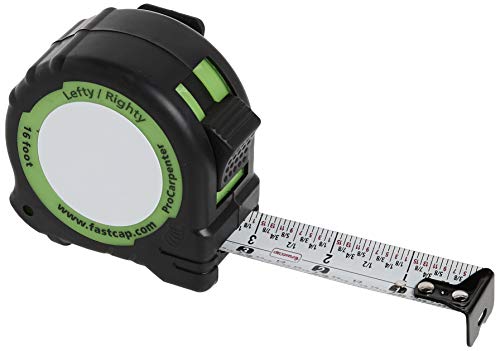
- Best overall for general use: FastCap ProCarpenter Standard Reverse Measuring Tape, 16 Foot — A straightforward starting point for shoppers who want a compact reverse-reading tape.
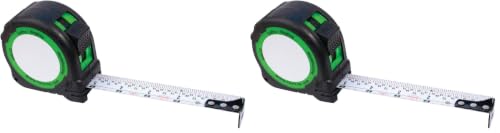
- Best for longer measurements and shared use: Fastcap PSSR-25 25-Foot ProCarpenter Lefty/Righty Standard Measuring Tape (Pack of 2) — Combines a 25-foot length with two tapes intended for left- and right-handed use.
- Best single 25-foot option: FastCap ProCarpenter Standard Reverse Measuring Tape, 25-Foot — A sensible fit when one user needs more reach than a 16-foot tape provides.
- Best two-tape 16-foot option: FastCap PSSR-16 16 Foot Pro Carpenter Standard Reverse Measuring Tape (Pack of 2) — Useful for a shared workspace, backup storage, or keeping one tape in separate locations.
- Best for story-pole layout: FastCap PSSP16 16 Pad Standard Story Pole Measuring Tape — Built around repeated marking tasks rather than ordinary all-purpose measuring.
- Best for inch-and-metric work: FastCap ProCarpenter Metric/Standard Measuring Tape, 12′ Length — A shorter option for users who need both measurement systems.
- Best metric-focused reverse tape: FastCap ProCarpenter True32 Metric Reverse Measuring Tape, 16′ Length — Worth considering when metric layout is central to the job.
- Best for fixed measuring references: FastCap Peel & Stick Standard/Metric Measuring Tape — Intended for applications where a measuring scale can be attached to a surface.
The best FastCap tape measure depends less on brand choice than on the way you measure. FastCap’s lineup includes standard reverse-reading models, left- and right-handed two-packs, dual-scale tapes, a story-pole format, a metric reverse tape, and a peel-and-stick measuring strip. That means the right option for furniture building or garden-project layout may be very different from the right option for a contractor sharing tools with a partner.
For most shoppers, the key decision is between a 16-foot and 25-foot standard reverse tape. The 16-foot format is the more compact choice for smaller work and everyday carry, while the 25-foot format is better suited to longer furniture, room, cabinet, and exterior measurements. Specialized options make sense only when their format matches your workflow: choose a dual-scale model when you regularly switch between inches and metric, a story-pole tape for repeated vertical layout, or a peel-and-stick tape for a semi-permanent measuring reference.
Our top picks


As an Amazon Associate we earn from qualifying purchases at no extra cost to you.
Quick answer
- Best overall for general use: FastCap ProCarpenter Standard Reverse Measuring Tape, 16 Foot — A straightforward starting point for shoppers who want a compact reverse-reading tape.
- Best for longer measurements and shared use: Fastcap PSSR-25 25-Foot ProCarpenter Lefty/Righty Standard Measuring Tape (Pack of 2) — Combines a 25-foot length with two tapes intended for left- and right-handed use.
- Best single 25-foot option: FastCap ProCarpenter Standard Reverse Measuring Tape, 25-Foot — A sensible fit when one user needs more reach than a 16-foot tape provides.
- Best two-tape 16-foot option: FastCap PSSR-16 16 Foot Pro Carpenter Standard Reverse Measuring Tape (Pack of 2) — Useful for a shared workspace, backup storage, or keeping one tape in separate locations.
- Best for story-pole layout: FastCap PSSP16 16 Pad Standard Story Pole Measuring Tape — Built around repeated marking tasks rather than ordinary all-purpose measuring.
- Best for inch-and-metric work: FastCap ProCarpenter Metric/Standard Measuring Tape, 12′ Length — A shorter option for users who need both measurement systems.
- Best metric-focused reverse tape: FastCap ProCarpenter True32 Metric Reverse Measuring Tape, 16′ Length — Worth considering when metric layout is central to the job.
- Best for fixed measuring references: FastCap Peel & Stick Standard/Metric Measuring Tape — Intended for applications where a measuring scale can be attached to a surface.
How We Compared this guide
We compared the eight FastCap products in this roundup using the information in their listed product names and the formats they represent. The comparison focuses on blade length, quantity, measurement system, reverse-reading design, left- or right-hand positioning, story-pole functionality, and peel-and-stick construction. Because detailed feature data was not available for these listings, we do not assign unsupported claims about case materials, standout length, locking mechanisms, blade width, durability, or included accessories.
The recommendations are therefore based on matching each product’s documented format to a likely use case. Before ordering, check the current listing for the details that can vary or may not be visible in a short product description, including scale markings, blade behavior, case dimensions, return terms, and the exact contents of a multipack.
1. Choose a blade length that matches the job
Length is the first practical distinction among the standard FastCap models. The lineup includes 12-foot, 16-foot, and 25-foot choices. A 12-foot tape is appropriate when most measurements are confined to smaller components, shelves, trim, or compact furniture. A 16-foot model is a versatile middle ground for general workshop and DIY use. A 25-foot model gives more reach for room dimensions, larger furniture, wall layouts, and some outdoor work.
Do not automatically choose the longest tape. Extra length can be unnecessary if your projects are small, and a larger case may be less convenient to carry. Conversely, repeatedly stretching a short tape to its limit can slow layout and encourage mistakes. Think about the longest measurement you make regularly—not an unusual one-time project—and choose around that pattern.
2. Understand what “standard reverse” means
The standard reverse models are designed around a blade orientation that presents the printed measurement in a more natural direction when the tape is pulled from the case. This is the feature that separates these products from a conventional tape and is especially relevant when measuring alone. It can reduce the need to twist your wrist or turn the blade to read the scale.
Before buying, confirm that the reverse layout suits your dominant hand and normal measuring direction. A reverse-reading design is not automatically better for every user or every situation. If several people share the same tools, a lefty/righty pack may be more practical than expecting everyone to adapt to one orientation.
3. Decide between one tape and a two-pack
FastCap offers the PSSR-25 and PSSR-16 as packs of two. Multipacks are useful when two people work together, when tools are stored in separate locations, or when having a backup prevents interruptions. The 25-foot pack specifically identifies lefty/righty use, making it the more targeted choice for a mixed-hand-use household or crew.
A two-pack is less compelling if you work alone and already keep a tape in your shop or tool bag. Compare the pack contents carefully rather than assuming that two units are configured identically. For the PSSR-16, verify whether the pair has the same orientation and markings you need before ordering.
4. Match the scale to your projects
Most of the standard models are intended for inch-based work, while the Metric/Standard 12-foot and Peel & Stick Standard/Metric options identify both measurement systems. The True32 model is specifically identified as a metric reverse tape. Choose a dual-scale tape if your plans, hardware, suppliers, or work partners regularly alternate between inches and metric.
Mixed scales can be helpful, but they can also create reading errors when the markings are crowded or when you are moving quickly. If nearly all of your work uses one system, a dedicated scale may be easier to scan. Check the listing images closely to confirm how the graduations are arranged and whether the scale is readable for your typical lighting and working distance.
5. Buy specialty formats only for specialty tasks
The PSSP16 Story Pole tape is not simply another 16-foot general-purpose tape. Its name identifies it as a 16-pad story-pole format, intended for repeated layout marks along a temporary measuring stick or similar setup. It is worth considering when your work involves recurring vertical intervals, but it may be the wrong choice as your only everyday tape.
The Peel & Stick Standard/Metric tape serves a different purpose again. It is designed to place a measuring scale on a surface, where a fixed reference can be more convenient than repeatedly reaching for a handheld case. Check the intended surface, adhesion requirements, removability, and exposure conditions before relying on it for a permanent installation.
6. Consider carry convenience and storage
Case size and carry style matter because a tape that stays in the toolbox is less useful than one that is available when needed. A 16-foot or 12-foot model may be preferable for a compact tool pouch, while the 25-foot versions may make more sense in a workshop, truck, or larger tool bag. These listings do not provide case dimensions or weights, so check those details before buying if pocket carry is important.
Also consider where the tape will live between projects. A multipack can support separate storage in a shop and vehicle, while a specialty tape may need its own protected location so its unusual format is not mistaken for a standard replacement.
7. Verify the details that are not provided
Important specifications are unavailable in the listing. Before purchase, confirm blade width, standout or stiffness information, lock operation, hook design, case construction, scale readability, and whether the tape is intended for indoor or outdoor conditions. These details affect everyday handling but should not be guessed from the product name alone.
For pack products, verify the number of physical tapes, their orientation, and whether both units share the same scale. For the peel-and-stick model, check the strip length, width, backing, and installation instructions. Reading the current listing images and description can prevent choosing a format that sounds suitable but does not match the actual task.
8. Avoid common buying mistakes
- Choosing by length alone: A 25-foot tape is not automatically the best option if compact carry is your priority.
- Ignoring hand orientation: Confirm whether the reverse-reading layout works for your normal hand and measuring direction.
- Buying a specialty tape as an all-purpose tool: Story-pole and peel-and-stick formats solve specific problems and may not replace a conventional handheld tape.
- Assuming a two-pack is interchangeable: Check whether the pair is lefty/righty, identical, or otherwise configured for your use.
- Skipping scale checks: Make sure the tape uses inches, metric, or both as your plans require.
- Guessing missing specifications: Confirm case size, blade details, and accessory information from the current listing rather than relying on assumptions.
Detailed product breakdowns
1. FastCap ProCarpenter Standard Reverse Measuring Tape, 16 Foot
The FastCap ProCarpenter Standard Reverse Measuring Tape, 16 Foot is the baseline model in the ProCarpenter reverse-read family and the most commonly referenced entry point for woodworkers trying the format for the first time. The core concept is the same across the line: the blade prints numbers so they read correctly when the tape is pulled toward you and hooked at the far end, which reduces the wrist rotation and head tilting required with a conventional forward-printed blade. For solo work such as laying out shelf pin holes, marking cut lines, or transferring measurements from bench to saw, that orientation makes one-handed reading noticeably more intuitive, according to aggregated owner patterns.
Key specifications to verify before buying: The product title confirms a 16-foot blade length with standard (imperial) increments and FastCap’s reverse-print layout. No detailed feature list was provided for this listing, so buyers should verify the following on the Amazon detail page and product photos before purchase: blade width and standout, graduation detail (fractional markings), hook type and movement for inside/outside measurements, lock mechanism, belt clip, and case dimensions and material. FastCap typically uses a compact case for 16-foot models, but check the listing for weight and housing construction if pocket carry is important.
Strengths based on research: The 16-foot format is intentionally compact. Owners who carry a tape in an apron or chest pocket consistently report that shorter ProCarpenter cases are easier to carry all day than 25-foot housings, while still covering most furniture, cabinet, and trim tasks. The reverse-print blade itself is the primary strength; research across reviews shows repeated praise for not having to flip the tape to confirm a measurement, which reduces misreads during fast repetitive work. As a single-tape purchase, it also keeps the kit simple: one tape, one clip, minimal bulk.
Trade-offs and limitations: Sixteen feet is a hard ceiling. If your workflow regularly involves measuring room spans, sheet goods on the diagonal, or exterior layout, you will rehook more often than with a 25-foot blade. Because detailed specs were not provided, durability factors such as blade coating, hook rivet strength, and lock wear cannot be confirmed here. Buyers who are hard on tapes on job sites should check recent verified reviews for comments on blade abrasion, print durability, and case seam strength, and compare return/warranty language on the listing.
Who it is best for: Hobbyists, trim carpenters, cabinetmakers, and DIY renovators who work within arm’s reach to about 12-14 feet and want the lightest, most pocketable way to try reverse reading. It also suits as a second tape for shop use when a longer tape lives in a tool bag for field work.
Who should skip it: Anyone who routinely measures full wall lengths, flooring runs, or longer exterior dimensions without assistance should consider a 25-foot model to avoid mid-span rehooking. Those who need metric graduations or a left-handed configuration should look to the specialized variants in this lineup.
See details for the FastCap ProCarpenter Standard Reverse Measuring Tape, 16 Foot on Amazon
2. Fastcap PSSR-25 25-Foot ProCarpenter Lefty/Righty Standard Measuring Tape (Pack of 2)
The Fastcap PSSR-25 is a two-pack built around the 25-foot ProCarpenter blade, with the distinguishing feature that it includes both a left-handed and right-handed orientation in the same package. In practice this means one housing is configured so the blade reads correctly for a right-handed pull and the other for a left-handed pull, addressing a common complaint that most tapes favor right-handed users. For households, teaching environments, or crews where two people measure simultaneously, having matched length but mirrored ergonomics removes the need to share or adapt to a single orientation.
Key specifications to verify before buying: The title confirms 25-foot length, standard (imperial) reverse-print blades, and a quantity of two tapes labeled Lefty/Righty. No additional feature details were provided, so confirm on the product page: whether both tapes use identical blade printing (fractional increments, font size, contrast), whether the cases are otherwise identical except for orientation, blade width and standout at 25 feet, lock type, and belt clip placement. Photos that show the blade extended from each case are particularly useful for verifying the mirrored print direction.
Strengths based on research: The combination of length and paired quantity is the value proposition. A 25-foot blade covers most residential interior runs – walls, ceilings, flooring, large casework – without having to reset the hook, which owner commentary consistently associates with fewer cumulative errors. The lefty/righty inclusion is rare in the FastCap catalog and in tape measures generally; left-handed owners frequently note that standard tapes force an awkward reading angle, so a dedicated lefty case can improve speed and confidence for that user without compromise for the right-handed partner. Buying as a pack also provides immediate redundancy: one can live in the shop, one in the field, or one as a backup when a tape is misplaced.
Trade-offs and limitations: A two-pack means you are storing and carrying two housings, and 25-foot cases are inherently larger and heavier than 16-foot equivalents. If you work alone and have a dominant-hand preference, the second orientation may go unused. As with other models in this roundup, blade coating, hook durability, and internal spring longevity are not detailed in the listing and should be checked via manufacturer specs and recent owner reviews. Verify whether the pair shares a single warranty or is treated as two separate units for support purposes.
Who it is best for: Two-person teams, couples who build together, instructors equipping a small class, or a solo pro who wants a matched backup that also covers left-handed use for an assistant or future helper. It is also logical for a woodworker who is left-handed and has never had a true lefty tape before.
Who should skip it: Solo builders who only need one orientation and one tape will get the same blade length more efficiently from a single 25-foot ProCarpenter. Those prioritizing minimal pocket weight over maximum reach may prefer a 16-foot single or two-pack in the shorter length.
3. FastCap ProCarpenter Standard Reverse Measuring Tape, 25-Foot
The FastCap ProCarpenter Standard Reverse Measuring Tape, 25-Foot uses the same reverse-read principle as the 16-foot version but extends the usable range to 25 feet. That extra reach changes how the tape fits into a workflow: fewer rehooks on longer cuts, the ability to check a full 4×8 sheet diagonal or a wall section in one pull, and less walking back and forth when laying out repetitive marks. For many residential carpenters, 25 feet is the threshold where a tape stops being a bench-only tool and becomes viable for room-scale layout without switching to a longer contractor-grade reel.
Key specifications to verify before buying: Listed length is 25 feet with a standard reverse-printed blade. Detailed specs were not included with this listing, so check the Amazon specification table and images for: blade width, standout length (how far the blade extends unsupported), fractional graduations and numbering contrast, hook design and play for accurate inside/outside measurements, lock slider feel and hold, case material, clip type, and overall case footprint. If you wear tool belts or aprons, compare case dimensions to your current tape to anticipate fit.
Strengths based on research: Owner patterns for 25-foot reverse tapes emphasize two themes: readability at distance and reduced error during solo pulls. Because the numbers face the user when the tape is hooked and extended, you can read the blade without twisting your forearm, which is especially helpful when the tape is stretched across a floor or held overhead. Research also shows that users who upgrade from a 16-foot to a 25-foot ProCarpenter report the transition as seamless, since the case operation and print logic remain familiar while reach improves.
Trade-offs and limitations: The larger housing needed to store a 25-foot blade adds weight and bulk compared with 16-foot models, which some owners find less comfortable for all-day chest-pocket carry. Blade stiffness and coating become more important at this length; without published manufacturer details on blade thickness and protective finish, look to close-up photos and verified reviews for comments on kinking, edge wear, and print fading near high-use sections (the first 6-10 feet). If you primarily build small boxes, drawers, or models where most measurements are under 8 feet, the extra length adds little day-to-day benefit.
Who it is best for: Finish carpenters, remodelers, furniture makers who also handle built-ins, and serious DIYers measuring rooms, decks, and sheet goods. It is the best single-tape choice for buyers who want reverse-read ergonomics plus enough length to handle most household and small-shop projects without a second tape.
Who should skip it: Those who value the smallest possible case or who rarely measure beyond 10-12 feet may prefer a 16-foot variant for lighter carry. Buyers needing metric units or a left-handed housing should select the corresponding specialized models rather than adapting this standard imperial, right-hand-oriented case.
See details for the FastCap ProCarpenter Standard Reverse Measuring Tape, 25-Foot on Amazon
4. FastCap PSSR-16 16 Foot Pro Carpenter Standard Reverse Measuring Tape (Pack of 2)
The FastCap PSSR-16 packages two identical 16-foot ProCarpenter Standard Reverse tapes in one purchase. Functionally each tape is the same reverse-print, standard-scale blade found on the single 16-foot model, but the pair changes the ownership experience. Instead of shuttling one tape between shop, truck, and house, you can station one in each location or equip two workers identically. That redundancy is frequently cited in owner comments as a practical time saver in busy environments where a missing tape halts layout.
Key specifications to verify before buying: The title confirms 16-foot length, standard reverse printing, and a quantity of two. No supplemental feature data is listed, so verify on the product page: blade graduation detail, hook movement, lock and clip hardware, case dimensions and weight, and whether both tapes are identical in every respect (some packs vary only in packaging). If you intend the tapes for different environments, check whether the blades and cases have any stated dust or impact resistance, and review warranty coverage for a multi-pack.
Strengths based on research: The core strength is consistency. Both users work with the same blade width, print contrast, and case ergonomics, so there is no learning curve when swapping tapes. For crews and households, that consistency reduces miscommunication about readings. The 16-foot housing retains the compact, pocket-friendly profile that owners associate with daily carry comfort, and having a second tape mitigates downtime when one is lost, loaned, or accidentally damaged. Research on verified reviews of 16-foot packs often highlights the convenience of never hunting for the single tape before starting a cut.
Trade-offs and limitations: You get two shorter tapes, so the length limitation of the 16-foot blade applies to both: longer spans still require rehooking or a different tape entirely. Storage is also double by definition, and if you work alone in a single workspace, the second tape may remain idle. Because detailed construction specs were not provided, buyers should evaluate blade durability, recoil smoothness, and lock longevity through recent owner feedback and manufacturer information on the product page.
Who it is best for: Two-person crews working in the same compact-project domain, shop owners who want a permanent bench tape plus a portable one, or anyone who has experienced workflow interruptions from a misplaced tape. It also suits buyers who prefer to keep a backup sealed until needed.
Who should skip it: Solo users who already own a reliable 16-foot reverse tape and do not need a duplicate, or those whose work regularly demands 20+ foot pulls. In that case a single 25-foot tape or the PSSR-25 lefty/righty pack will be more versatile.
5. FastCap PSSP16 16 Pad Standard Story Pole Measuring Tape
The FastCap PSSP16 16 Pad Standard Story Pole Measuring Tape is the specialist of this lineup. Rather than serving as a general-purpose measuring tape, it is designed for story-pole layout: a technique where a straight board or pole is marked with recurring heights for windows, doors, cabinets, siding, or other vertical intervals. The “16 Pad” designation indicates a pad-printed story-pole scale rather than a conventional adhesive or simple printed blade, intended to lay out those repeated marks faster and with fewer transposed numbers than measuring each opening individually.
Key specifications to verify before buying: Title data confirms a 16-foot length and a standard-scale story-pole pad format. No detailed feature sheet accompanied this listing, so careful pre-purchase verification is important: how the pad increments are printed and spaced, whether the blade still functions as a standard reverse tape for general measurements or is primarily a story-pole scale, blade width and visibility of pad markings, and case/housing differences if any. Look for close-up blade photos showing the pad divisions and check the description for whether the tape includes both standard graduations and story-pole pads or is pad-only.
Strengths based on research: For framers and finish carpenters who use story poles, a dedicated tape can shorten layout time and improve consistency. Owner patterns for story-pole tapes highlight fewer lost marks and faster transfer from plan to pole because the tape is designed to mark directly rather than requiring mental addition of small increments. The 16-foot length matches typical story-pole heights (door and window head heights, cabinet elevations) without excess blade to manage while working vertically against a stud or pole.
Trade-offs and limitations: Specialization is both the strength and the constraint. If you do not use story-pole methods, the pad format adds complexity without benefit and may be confusing if you expect a normal tape. Sixteen feet also limits use to pole-scale tasks; it will not replace a general 25-foot tape for room layout. As with the other listings, blade coating, print durability (especially for the pad markings that are used repeatedly), and hook accuracy should be confirmed via the detailed listing and recent reviews, since that information is not available here.
Who it is best for: Carpenters, framers, and advanced DIY builders who regularly lay out rough openings, siding courses, wainscoting, or cabinet heights using a story pole. It is also useful for trim crews that standardize heights across multiple rooms and want a faster, more repeatable marking process.
Who should skip it: Anyone seeking a general-purpose tape for furniture, general remodeling, or mixed-scale measuring. Those buyers will be better served by a standard ProCarpenter reverse tape in 16 or 25 feet, or by a dual-scale or peel-and-stick option depending on the application.
See details for the FastCap PSSP16 16 Pad Standard Story Pole Measuring Tape on Amazon
6. FastCap ProCarpenter Metric/Standard Measuring Tape, 12′ Length
The FastCap ProCarpenter Metric/Standard Measuring Tape, 12′ Length is the compact dual-scale option in the family, printing both metric and standard (imperial) graduations on the same blade. The 12-foot length signals a focus on bench and small-shop work rather than full-room layout. For makers who alternate between inch-based lumber dimensions and metric hardware, plans, or machinery, having both scales on one reverse-printed blade avoids carrying two tapes or converting on the fly.
Key specifications to verify before buying: The title confirms a 12-foot blade with metric/standard dual printing and ProCarpenter heritage. No further spec sheet was provided, so check the listing for: how the two scales are arranged on the blade (side-by-side, front/back, or alternating), graduation fineness for both systems, blade width and standout at 12 feet, case size and clip, and whether the reverse-print logic applies to both scales or only one. Photos that show the blade at several lengths are the clearest way to confirm dual-scale legibility before ordering.
Strengths based on research: Dual-scale tapes are most appreciated in shops where tools and materials straddle systems: European hinges and slides measured in millimeters alongside sheet goods sold in inches, 3D-printed jigs dimensioned in metric, or plans sourced from metric markets. At 12 feet, the case is typically the smallest in the lineup, making it unobtrusive in an apron and easy to handle when measuring small parts, drawer boxes, or hardware spacing. Research suggests owners who work at this scale prioritize legibility and conversion avoidance over sheer reach, which this model targets directly.
Trade-offs and limitations: Twelve feet is the shortest reach among the cartridge tapes in this roundup, so it is not intended for wall-to-wall or exterior work. Dual-scale blades also carry a readability trade-off: more information in the same width can reduce the apparent size of each number, which some owners find busy at a glance. Because blade coating, print contrast for each scale, and hook tolerance are not included in the listing, verify those points in the product description and in recent reviews that specifically mention metric vs. imperial accuracy and ease of reading.
Who it is best for: Woodworkers, makers, and installers who routinely switch between metric and imperial, work primarily at bench scale, or need a lightweight secondary tape for hardware and joinery layout while keeping a longer tape for site work. It is also a sensible choice for students and hobbyists learning both systems.
Who should skip it: Builders whose work is consistently imperial-only or metric-only will find a single-system blade clearer and faster to read. Those needing to measure rooms or longer runs should choose a 16-foot or 25-foot single-system tape for additional length and larger numerals.
See details for the FastCap ProCarpenter Metric/Standard Measuring Tape, 12′ Length on Amazon
7. FastCap ProCarpenter True32 Metric Reverse Measuring Tape, 16′ Length
The FastCap ProCarpenter True32 Metric Reverse Measuring Tape, 16′ Length is the metric-first counterpart to the standard ProCarpenter reverse tapes. The True32 designation indicates a blade printed in millimeters/millimeters-and-centimeters with FastCap’s reverse-read orientation, so numbers face the user during a pull. For shops working from metric plans, using European hardware, or preferring base-10 layout, a dedicated metric blade eliminates fractional-inch conversion and reduces cumulative rounding errors.
Key specifications to verify before buying: Title information confirms a 16-foot-equivalent blade length (metric-printed) with reverse reading. No detailed specs were provided, so confirm on the Amazon page: exact blade length in metric and its imperial equivalent, smallest graduation (typically 1 mm on True32 models but verify), numbering contrast and font size for close work, blade width and standout, hook design and movement, and case ergonomics versus standard imperial ProCarpenters. Check whether any dual-scale information is present or if this is a metric-only blade, as that affects legibility.
Strengths based on research: Owner commentary on metric reverse tapes frequently emphasizes accuracy and speed when all references are metric. Base-10 math simplifies adding and dividing, which is valuable for cabinetry, kitchen installs, and shop jigs where hardware spacing is specified in millimeters. The 16-foot housing keeps the tape in the compact, pocketable class while providing enough length for most interior cabinetry and trim tasks. Research also notes that a dedicated metric reverse blade avoids the visual clutter of a crowded dual-scale tape, preserving larger, clearer numerals.
Trade-offs and limitations: A metric-only blade is less intuitive if your materials, plans, or collaborators are imperial-based; mixing systems across tapes can introduce conversion mistakes. Sixteen feet, while adequate for shop work, still requires rehooking for longer spans. As with other models here, blade finish, print durability, and recoil/lock feel are not detailed in the listing and should be assessed via the listing’s specification table and recent verified reviews focusing on metric accuracy and everyday wear.
Who it is best for: Pros and serious hobbyists who build to metric drawings, install metric hardware systems, or simply prefer metric precision for joinery and layout. It is ideal as a primary tape for metric shops and as a complementary tape for imperial shops that occasionally take on metric projects.
Who should skip it: Buyers who work exclusively in inches will read faster and with less mental load on a standard-scale ProCarpenter. Those needing both systems on one blade should consider the 12-foot Metric/Standard model instead, while those needing maximum reach should look at a 25-foot option.
See details for the FastCap ProCarpenter True32 Metric Reverse Measuring Tape, 16′ Length on Amazon
8. FastCap Peel & Stick Standard/Metric Measuring Tape
The FastCap Peel & Stick Standard/Metric Measuring Tape departs from the handheld cartridge format entirely. It is an adhesive-backed rule designed to be applied to a work surface – such as a workbench edge, saw fence, miter station, or assembly table – so measurements can be read directly against the surface without handling a tape. Printing both standard and metric scales on the same strip makes it versatile for jigs and stations used for mixed-system projects.
Key specifications to verify before buying: The title confirms a peel-and-stick format with standard/metric dual scales, but length, width, adhesive type, and substrate are not included in the listing. Before purchasing, verify on the listing: total tape length and whether it is sold as a continuous roll or a fixed strip, scale direction (left-to-right vs. right-to-left, or both), whether the scale starts at zero at the tip or is center-referenced, material thickness and abrasion resistance, adhesive backing (permanent vs. repositionable), and surface preparation requirements. Check photos and Q&A for whether the tape can be trimmed to length without fraying and whether replacement is clean on finished surfaces.
Strengths based on research: For repetitive cutting and assembly, a fixed rule speeds workflow and reduces handling errors. Saw stops, router tables, and bench fences with an applied scale let you slide stock to a mark rather than measuring each piece with a handheld tape. Research on peel-and-stick rules shows owners value having both measurement systems permanently visible, especially in shared shops where different users prefer different units. The format also eliminates recoil and hook play for that class of measurement, since the reference is the edge of the tool or bench itself, provided installation is accurate.
Trade-offs and limitations: This is not a portable tape measure and cannot replace a cartridge tape for field layout, inside measurements, or any task away from the equipped surface. Installation accuracy is critical; a misaligned or stretched application introduces systematic error across every subsequent cut. Durability depends on surface exposure to dust, solvents, and abrasion – factors not detailed in the listing. Buyers should review owner comments about adhesive longevity, resistance to peeling in humid shops, and how well the print holds up to cleaning and incidental contact with workpieces.
Who it is best for: Shop owners setting up a miter saw station, table saw fence, drill press table, or assembly bench for repeatable cuts, and anyone who wants a permanent, at-a-glance scale at a workstation. It is also practical for makers who frequently switch between metric and imperial hardware at the same station.
Who should skip it: Buyers seeking a general-purpose handheld tape for varied site work should choose a cartridge ProCarpenter model instead. If you need a peel-and-stick rule for outdoor or high-moisture environments, verify adhesive and UV/weather suitability carefully, as many indoor-oriented tapes are not designed for exterior exposure.
See details for the FastCap Peel & Stick Standard/Metric Measuring Tape on Amazon
FastCap Tape Measure Comparison
The eight FastCap options in this guide share a focus on making measurements easier to read, but they are not interchangeable. The biggest differences are blade length, unit format, pack quantity, and whether the tape is intended for general measuring, story-pole layout, or attachment to a work surface. Because detailed feature information is not available for every listing, confirm the current product description and images before ordering, especially if blade markings, case configuration, or left- and right-hand use are essential to your work.
| Product | Length or format | Pack quantity | Best suited to | Important limitation or check |
|---|---|---|---|---|
| FastCap ProCarpenter Standard Reverse Measuring Tape, 16 Foot | 16-foot standard reverse measuring tape | Single tape | General carpentry, DIY projects, and everyday measuring | Check whether the standard-only format meets your unit-system needs |
| Fastcap PSSR-25 25-Foot ProCarpenter Lefty/Righty Standard Measuring Tape (Pack of 2) | 25-foot standard measuring tape with lefty/righty designation | Pack of 2 | Two-person use, shared workspaces, and users needing left- and right-hand options | Confirm which tape is configured for each hand and review the included quantity |
| FastCap ProCarpenter Standard Reverse Measuring Tape, 25-Foot | 25-foot standard reverse measuring tape | Single tape | Longer furniture, cabinet, room, and layout measurements | Check case dimensions and carrying comfort if pocket storage matters |
| FastCap PSSR-16 16 Foot Pro Carpenter Standard Reverse Measuring Tape (Pack of 2) | 16-foot standard reverse measuring tape | Pack of 2 | Crews, workshops, and buyers who want a spare tape available | Check whether two 16-foot tapes are more useful than one longer tape |
| FastCap PSSP16 16 Pad Standard Story Pole Measuring Tape | 16-foot story-pole measuring tape | Single tape | Story-pole marking and repeated vertical layout | Confirm that the pad-style layout is appropriate for your intended task |
| FastCap ProCarpenter Metric/Standard Measuring Tape, 12′ Length | 12-foot metric/standard measuring tape | Single tape | Shorter projects requiring both metric and standard measurements | Verify how both scales are displayed and whether 12 feet covers your work |
| FastCap ProCarpenter True32 Metric Reverse Measuring Tape, 16′ Length | 16-foot True32 metric reverse measuring tape | Single tape | Metric-first woodworking, carpentry, and layout work | Confirm the exact metric graduations and whether a standard scale is also included |
| FastCap Peel & Stick Standard/Metric Measuring Tape | Peel-and-stick standard/metric measuring tape | Single tape | Fixed work surfaces, benches, jigs, and repeat measurements | Check tape length, adhesive instructions, surface compatibility, and scale orientation |
Best Pick by Need
Best for a first reversed-reading tape
The FastCap ProCarpenter Standard Reverse Measuring Tape, 16 Foot is the most straightforward starting point in this group. Its 16-foot length is suited to many routine DIY, furniture, and carpentry measurements without committing to a specialty format or a two-pack. Choose it when you primarily want the standard reverse-reading design and do not need metric markings, a story-pole layout, or a fixed adhesive strip.
Best for longer general-purpose measurements
Choose the FastCap ProCarpenter Standard Reverse Measuring Tape, 25-Foot when your work frequently extends beyond the range of a compact tape. The additional reach is more relevant for room layouts, larger furniture, cabinets, and longer boards than for small repair jobs. Before choosing it, consider whether the larger format will be comfortable in the tool storage location you actually use.
Best for left- and right-handed users
The Fastcap PSSR-25 25-Foot ProCarpenter Lefty/Righty Standard Measuring Tape, Pack of 2 is the clearest fit for a household or crew in which hand preference differs. It combines a 25-foot length with a two-tape configuration identified as lefty/righty. Confirm the listing details carefully so you understand how the two tapes are configured and whether that arrangement matches your needs.
Best for a shared workshop or backup supply
The FastCap PSSR-16 16 Foot Pro Carpenter Standard Reverse Measuring Tape, Pack of 2 makes sense when two people need tapes at the same time or when keeping a spare in a truck, shop, or tool cabinet is important. It is less compelling for a solo buyer who needs only one tape and regularly measures spaces longer than 16 feet. In that situation, a single 25-foot model may be the more useful format.
Best for story-pole layout
The FastCap PSSP16 16 Pad Standard Story Pole Measuring Tape is the specialized choice for buyers who use story poles or repeat vertical layout marks. Its name identifies it as a 16-pad story-pole tape rather than a conventional general-purpose model. If your projects do not involve this type of layout, a standard reverse tape is likely easier to use for a wider range of tasks.
Best for switching between standard and metric
The FastCap ProCarpenter Metric/Standard Measuring Tape, 12′ Length is the practical option when both measurement systems are part of your routine. Its 12-foot length favors shorter work such as furniture components, small repairs, and shop projects. Confirm the listing images before ordering if the exact placement or readability of the two scales will affect your workflow.
Best for fixed, repeatable measurements
The FastCap Peel & Stick Standard/Metric Measuring Tape is designed around a different use case: placing a measuring scale on a work surface rather than carrying a conventional case from task to task. It may suit benches, jigs, cutting stations, or other locations where repeated readings from the same reference point are useful. Check the adhesive instructions and surface compatibility before applying it permanently.
Care and Setup Tips
- Confirm the scale before the first cut. Standard, metric/standard, True32 metric, story-pole, and peel-and-stick formats serve different purposes. Read the markings and verify the intended unit system before transferring a measurement to material.
- Keep the hook and first section clean. Dust, glue, paint, and sawdust can interfere with the end of the blade and make it harder to position consistently. Wipe away debris with a dry or lightly damp cloth, then follow the product listing or manufacturer guidance for any additional care.
- Do not force the blade back into the case. Let the blade retract under control rather than allowing it to snap in repeatedly. Controlled retraction can reduce unnecessary impact on the blade, hook, and case.
- Inspect the blade before precision work. Look for bent edges, damaged markings, peeling print, or a hook that no longer sits squarely. If the reference end is damaged, verify measurements with another tool before cutting valuable material.
- Choose the right working length. A 16-foot tape is generally easier to store than a 25-foot model, while a longer tape can reduce the need to reposition during larger layouts. Do not select a pack of two merely to gain length; pack quantity and blade length are separate decisions.
- Use the specialized formats for their intended jobs. A story-pole tape and a peel-and-stick tape are not direct substitutes for a conventional case-style tape. Confirm that the format matches the way you mark, hold, and repeat measurements.
- Test placement before applying adhesive. For the Peel & Stick model, temporarily position the strip or use a removable guide if appropriate. Check that the zero point, reading direction, and working edge align with the surface before making a permanent application.
- Store tapes away from moisture and abrasive debris. This is especially relevant in garages, outdoor work areas, and garden-furniture projects. Keep the tape retracted and protected when it is not being used, and check the listing for any specific storage recommendations.
- Label shared tapes. If you purchase a two-pack for a crew or workshop, mark each tape according to its user or storage location. This reduces time spent searching for the tape that belongs at a particular bench, truck, or project.
FastCap Tape Measure FAQ
What makes a FastCap reverse measuring tape different?
The reverse designation refers to the measuring layout identified in the product names. The appeal is that the numbers are intended to be read in a direction that can be more convenient when the tape is pulled from the case toward the user. The exact reading orientation can vary by model, so review the product images if this is the main reason you are buying one.
Should I buy a 16-foot or 25-foot FastCap tape?
Choose 16 feet when portability and routine short-to-medium measurements matter most. Choose 25 feet when you regularly measure room-scale layouts, longer boards, or larger furniture. If you are comparing the two-pack options, remember that two 16-foot tapes provide redundancy or shared use but do not replace the reach of a single 25-foot tape.
Is the PSSR-25 pack suitable for a left-handed user?
The product name specifically identifies the PSSR-25 as a lefty/righty standard measuring tape pack. It is therefore the most directly targeted option for users with different hand preferences. Confirm the listing description and images to determine which tape is intended for each hand and how the reversed markings are presented.
What is the advantage of buying the PSSR-16 two-pack?
The main advantage is having two 16-foot standard reverse tapes available. That can help a two-person crew work simultaneously or give a solo user a spare for a second location. It is not automatically the best choice if your primary problem is insufficient measuring range; for longer layouts, compare it with a single 25-foot model.
Can I use the PSSP16 as an everyday tape measure?
The PSSP16 is identified as a 16-pad standard story-pole measuring tape, so it is most appropriate when story-pole or repeated layout work is part of the job. It may not be the most versatile selection for a buyer who simply needs one general-purpose tape. Review the listing images and description to confirm how its pad-style format works before ordering.
Does the 12-foot Metric/Standard model include both measurement systems?
Its product name identifies it as a metric/standard measuring tape, so it is the model in this group specifically presented for both systems. The listing does not provide the exact graduation details or layout. Check the current listing photos and description to verify how the scales are printed and whether they are easy for you to distinguish.
Is the True32 model the same as a standard metric tape?
The True32 model is identified as a 16-foot metric reverse measuring tape, but the available information does not explain every marking or graduation detail. Do not assume it has the same layout as the 12-foot Metric/Standard model. If your work requires a particular metric increment or a standard scale as well, confirm those details in the listing before buying.
Where should I use a Peel & Stick measuring tape?
This format is intended for placing a measuring scale on a surface rather than using a conventional handheld case. Possible applications include a workbench, jig, cutting station, or other fixed reference area. Check the adhesive instructions, surface compatibility, tape length, and scale direction first, because removing or repositioning an adhesive-backed strip may not be suitable for every surface.
Final Verdict
The best FastCap tape measure depends less on a single universal feature than on how you measure. For a simple entry into the reverse-reading format, the FastCap ProCarpenter Standard Reverse Measuring Tape, 16 Foot is the logical starting point. The single 25-foot ProCarpenter is a better match for longer layouts, while the PSSR-25 pack adds lefty/righty flexibility and a second tape for shared use.
The PSSR-16 is primarily a quantity and convenience choice, not a longer-range upgrade. The PSSP16 is the specialist option for story-pole work. Buyers who work across unit systems should compare the 12-foot Metric/Standard tape with the 16-foot True32 Metric model, paying close attention to the actual scale layout. Finally, the Peel & Stick model is best reserved for a fixed measuring reference on a compatible surface.
Before ordering, verify the current listing for blade markings, case details, pack contents, adhesive instructions, and any feature that is not stated in the available product information. Selecting the correct length and format should matter more than choosing a model with features your projects will not use.