Selecting a garden arbor involves far more than picking a pretty archway for your backyard. Whether you want to frame a primary pathway, create a shaded sanctuary, or support heavy flowering vines, the right arbor transforms an ordinary landscape into an intentional, structured outdoor room. Too many buyers focus entirely on initial aesthetics, only to find their structure leaning after the first winter wind or buckling under the weight of mature wisteria.
When shopping for garden arbors in 2026, evaluating structural integrity, material longevity, and spatial proportions will save you from premature replacement and frustrating maintenance. This guide cuts through the marketing noise to focus on the core specifications and features that genuinely matter when making your investment.
As an Amazon Associate we earn from qualifying purchases at no extra cost to you.

1. Material Selection: Weighing Longevity Against Maintenance
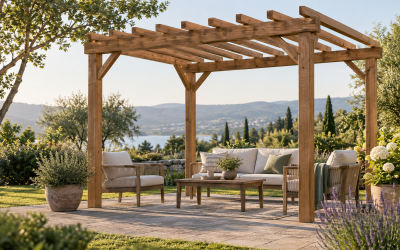
The material of your garden arbor dictates its lifespan, visual weight, and upkeep requirements. Wood offers a classic, natural aesthetic that blends seamlessly into traditional gardens. Cedar and redwood are top-tier choices due to their natural resistance to rot and insects, though pressure-treated pine provides a budget-friendly alternative if you are willing to commit to regular sealing and staining.
Metal arbors—typically constructed from tubular steel, wrought iron, or aluminum—provide superior structural strength with a slimmer profile. Wrought iron offers heavy-duty durability but requires rust-inhibiting paint touch-ups. Aluminum is lightweight, completely rust-proof, and easy to reposition, making it ideal for rentals or temporary garden displays. Vinyl and PVC composites sit at the low-maintenance end of the spectrum, resisting fading and moisture damage completely, though they lack the organic warmth of wood and can crack under extreme impact.
2. Understanding True Spatial Dimensions
One of the most common mistakes is measuring only the footprint of the arbor without accounting for clearance and proportions. Pay close attention to the interior width and height clearance rather than overall dimensions. A standard pathway arbor should offer at least four feet of interior width to allow two people to walk through comfortably side-by-side or to accommodate a garden cart.
Height clearance is equally critical. Keep in mind that vertical vines will eventually hang downward from the top beams, reducing the usable clearance space. If you plan to place your arbor over a gate or a heavily trafficked pathway, ensure the finished height provides ample headroom for tall guests even after plants mature.
3. Ground Anchoring and Wind Resistance
An arbor acts like a sail in high winds, making proper anchoring non-negotiable. The method of installation depends entirely on your yard’s surface and soil type. Arbors installed over lawn or garden beds require extended ground anchors or metal post-stakes that drive deep into the earth to prevent tipping.
For paved patios, decks, or concrete slabs, look for arbors featuring bolt-down flange feet. These allow you to securely fasten the posts using masonry anchors or heavy-duty deck screws. Never rely solely on the weight of the arbor itself to keep it upright, especially once seasonal foliage catches the wind and increases lateral load pressure.
4. Weight Capacity for Climbing Plants
If your primary goal is to grow heavy climbing plants like climbing roses, grapevines, or wisteria, you must evaluate the weight capacity of the overhead rafters and side lattices. Flimsy decorative wire arbors will quickly bend and collapse under the dense, woody growth of mature climbers.
Look for solid beam construction with closely spaced purlins or cross-beams that distribute weight evenly. Wooden arbors with mortise-and-tenon joints or bolted cross-beams offer superior load-bearing capabilities compared to cheaply stapled or thin-walled tubular metal designs. Heavy vines require sturdy structural support that can withstand years of accumulating biomass.
5. Assembly Complexity and Hardware Quality
Garden arbors arrive in varying states of assembly, ranging from pre-fabricated panels that snap together in minutes to complex kits requiring hours of drilling and leveling. Before purchasing, check whether the package includes all necessary mounting hardware and whether that hardware is weather-resistant.
Cheap steel screws will rust within a single season, leaving unsightly brown streaks running down your arbor and weakening joints. Ensure the kit utilizes galvanized or stainless steel fasteners. If you lack advanced DIY skills, look for designs featuring pre-drilled pilot holes and modular panels to ensure a square, level installation without professional help.
6. Environmental Exposure and Placement
Where you position your arbor dictates how it ages and what materials will perform best. An arbor exposed to baking midday sun and salty coastal air faces entirely different stressors than one tucked into a damp, shaded woodland corner.
In high-moisture areas, wood is prone to moss and mildew growth, requiring anti-fungal treatments. In intensely hot, sunny climates, dark powder-coated metal can absorb heat and potentially damage delicate plant stems that twine directly against the hot surface. Always match your placement microclimate to the thermal and moisture tolerances of your chosen arbor material.
Related Guides
To explore top-rated models currently available, read our detailed Best Garden Arbors in 2026: Compared and Ranked roundup for expert recommendations.
FAQ
How deep should I sink arbor posts into the ground?
For unpaved ground, arbor posts should ideally be buried at least twelve to eighteen inches deep. In frost-prone regions, sinking posts below the frost line or utilizing concrete footers prevents seasonal soil movement from shifting the structure out of alignment.
Can garden arbors support heavy swings or hanging chairs?
Standard garden arbors are rarely engineered to support dynamic loads like swings or hanging chairs, which exert intense downward and swinging forces. Doing so on a typical arbor can cause structural failure; you must purchase a specifically rated arbor-swing combo designed for that purpose.
How do I prevent wooden arbors from rotting at the base?
To prevent ground rot, avoid burying raw wood directly in damp soil by using elevated post brackets or concrete pier blocks. Applying a fresh coat of exterior wood sealer or water-repellent stain every few years will also protect the timber from moisture absorption.
What is the easiest arbor material to maintain?
Vinyl and powder-coated aluminum require the least ongoing maintenance, needing only an occasional rinse with a garden hose and mild soap to remove dirt and pollen. Unlike wood, they never require sanding, staining, or painting to maintain their original finish.