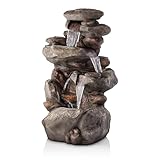
Investing in a multi tier cast stone outdoor garden fountain is one of the most transformative landscape decisions you can make, instantly introducing architectural presence and the soothing acoustics of cascading water. However, shopping for these substantial centerpieces involves far more than simply selecting a silhouette that catches your eye on a showroom floor. Because these heavy-duty water features are permanent architectural additions to your landscape—often commissioned or purchased with the expectation of lasting decades—buyers need to look past superficial aesthetics and evaluate core engineering factors.
Whether you are designing a formal courtyard or upgrading a backyard patio layout for 2026, understanding the nuances of material composition, water mechanics, and structural placement will save you from costly installation mistakes. Navigating specifications like dry weight, basin capacity, and pump flow rates ensures your chosen fountain integrates seamlessly into your outdoor environment without creating ongoing maintenance headaches or structural hazards.
As an Amazon Associate we earn from qualifying purchases at no extra cost to you.

Understanding Cast Stone Composition and Weight
True cast stone is not ordinary poured concrete; it is a refined architectural material created by blending a precise mixture of fine aggregates, Portland cement, and mineral pigments, often vibrated to eliminate internal air pockets. This manufacturing process produces a dense, highly durable material that replicates the look and texture of natural limestone, granite, or sandstone at a fraction of the quarry cost. However, this density comes with massive weight. A standard three-tier cast stone fountain can easily weigh anywhere from several hundred pounds to well over a thousand pounds once fully assembled. Before purchasing, you must calculate the total dry weight and evaluate whether your intended location requires professional rigging or heavy lifting equipment to prevent injuries and structural damage during delivery.
Proportional Sizing and Landscape Scale
One of the most common mistakes homeowners make is buying a multi tier fountain that looks impressive in a wide-open showroom but completely overwhelms or gets lost in their actual backyard space. Proportional sizing requires balancing the height of the top tier and the diameter of the primary catch basin against nearby garden structures, pathways, and seating areas. As a general rule of thumb, a large estate-style fountain demands an open patio or expansive lawn where viewers can appreciate it from a distance, whereas compact two-tier models suit intimate courtyards and corner garden beds. Always map out the footprint using stakes and garden hose before buying to visualize how the splash radius and physical bulk will impact foot traffic.
Basin Depth and Splash Radius Management
Water physics dictate that the higher water falls from tier to tier, the wider its splash radius will be when it strikes the lower basin. When evaluating different multi tier models, pay close attention to the diameter and depth of the lowest catch basin relative to the height of the water discharge point. Fountains placed on windy patios or exposed lawns will lose significant water volume to wind drift if the catch basin is too narrow, requiring constant top-offs and straining the submersible pump. Choosing a design with a deep, wide primary basin not only catches errant droplets more effectively but also provides a larger thermal mass to keep the water system stable during extreme seasonal temperature shifts.
Pump Capacity and Submersible Mechanics
The beating heart of any multi-tier fountain is its submersible water pump, and sizing this component correctly prevents premature motor burnout and inadequate water display effects. Pumps are rated by gallons per hour (GPH) and maximum pumping height, known as head pressure. To achieve a balanced, visually appealing cascade across multiple tiers, your pump must possess enough upward thrust to push water to the apex without sputtering, while maintaining a steady, adjustable flow rate that does not overflow the intermediate bowls. Always look for pumps with magnetic-drive technology, heavy-duty oil-free operation, and easily accessible flow control valves that allow you to fine-tune the cascading effect to your personal preference.
Foundation Integrity and Structural Load-Bearing
Because multi tier cast stone fountains are intensely heavy, they cannot simply be placed directly onto loose soil, uneven turf, or standard patio pavers without proper groundwork. Over time, the immense downward pressure combined with wet soil shifting will cause the fountain to settle unevenly, leading to a tilted water display, stressed mortar joints, or even catastrophic cracking of the stone basins. A professional installation typically requires a compacted gravel base topped with a reinforced concrete pad that is completely level. Ensuring a rock-solid, dead-level foundation is non-negotiable for distributing the weight evenly and ensuring water flows smoothly over the lip of every tier in an even, 360-degree sheet.
Finish Options, Stains, and Patina Evolution
Cast stone fountains arrive in a variety of factory-applied finishes and color stains, ranging from classic weathered antique stones to rich charcoal, mocha, and classic buff limestone looks. It is vital to understand that factory finishes are designed to weather and age gracefully rather than remain static forever. Exposure to ultraviolet sunlight, hard minerals in tap water, and surrounding organic debris will naturally interact with the surface sealants, creating an organic patina over time. If you prefer a clean, uniform look, you will need to apply specialized breathable sealers periodically, whereas letting nature take its course allows the stone to develop an authentic, time-worn garden aesthetic.
Related Guides
To explore specific product categories and find the ideal model for your outdoor space, take a look at our expert resources. You can read through our curated selections in our guide to the best multi tier cast stone outdoor garden fountains for top-performing models. If you prefer domestic artisan craftsmanship, explore our breakdown of Henri Studio premium American made fountains. Alternatively, for off-grid backyard setups, check out our recommendations for solar powered tiered estate garden fountains.
FAQ
Do multi tier cast stone fountains need to be covered during freezing winter weather?
Yes, freezing temperatures pose a severe threat to cast stone because absorbed moisture expands as it turns to ice, causing the stone to crack or flake. You must drain the fountain completely, disconnect the pump, and cover the structure with a heavy-duty, waterproof fountain cover, or store smaller tiers indoors.
How often should I clean a cast stone garden fountain?
A thorough cleaning and water change are recommended every one to two months, depending on shade exposure, bird activity, and algae growth. Scrub the interior tiers with a soft brush and a non-abrasive, eco-friendly fountain cleaner to protect the stone finish and prevent pump clogs.
Can I use regular tap water in my stone fountain?
Tap water is generally fine, but hard water with high mineral content will leave stubborn white calcium and lime scale deposits on the cast stone surface over time. Using distilled water or adding a specialized water softener treatment can drastically reduce mineral buildup and maintenance effort.
How do I stop algae from taking over the cascading tiers?
Algae thrives in sunlight and warm standing water, so utilizing natural enzyme-based algaecides safe for wildlife and birds is the best defense. Positioning your fountain in partial shade and running the water continuously to maintain oxygenation will also naturally inhibit algae proliferation.