Key takeaways
- It creates a defined outdoor room. Posts and an overhead frame make an open yard feel intentional. Even without walls, a pergola can visually separate a dining area, conversation zone, or outdoor kitchen from the rest of the landscape.
- It improves shade. A slatted roof, retractable canopy, or solid top can make a patio more comfortable during the hottest part of the day. The amount of shade varies substantially, so check the roof design instead of relying on the word “pergola.”
- It can extend your living space. A 100- to 120-square-foot structure may be enough for regular breakfasts outside, weekend dinners, or a shaded reading area. That can deliver more daily value than a decorative landscaping project.
- It supports privacy and styling. Curtains, slatted screens, climbing plants, and outdoor rugs can make a pergola feel more secluded. The frame also gives you places to hang lanterns, fans, planters, and modest outdoor decorations.
- It can add resale appeal. Buyers often respond well to usable, well-maintained outdoor spaces. However, a poorly anchored or rusty structure can have the opposite effect, so installation quality matters more than an impressive product description.
- There are accessible entry points. A simple 8-by-10-foot gazebo-style shelter may cost around $300 to $600. For example, a listed Aoxun 8-by-10-foot sloped-roof model is priced at $299.99, making this category easier to try without committing to a custom build.
The Short Answer
Yes, a backyard pergola is worth it if you will use the space at least several times a week and are willing to anchor, maintain, and furnish it properly. A pergola can make a patio or deck feel like a real outdoor room, but it is not a magic solution for bad weather or a neglected yard. The value comes from creating a comfortable, defined place to eat, relax, entertain, or work outdoors—not simply from adding a roof-like structure.
For 2026, expect a practical freestanding pergola or gazebo-style shelter to cost roughly $300 to $5,000 before installation, depending on its size, materials, roof, and permanence. The right choice depends less on appearance than on how much shade, rain protection, privacy, and durability you actually need.
Our top picks
 Aoxun 12'x10' Hardtop Gazebo with Polycarbonate Double
- Material Type: Metal
- Shape: Rectangular
- Water Resistance Level: Waterproof
Double-layer polycarbonate roof blocks UV while allowing airflow
Fits 8 to 10 people under one canopy
Removable curtains add privacy when needed
Needs ground spikes and wind rope when placed on grass
Assembly takes 2-3 people roughly 2-3 hours
 Aoxun 8’x10’ Gazebo for Patio
- Excellent Load-Bearing:With the impressive and great load-bearing of…
- Unique Design:The gazebo with sloped roof stands out…
- Premium Material:Made by durable polycarbonate hollow sheet, this…
As an Amazon Associate we earn from qualifying purchases at no extra cost to you.
What You Actually Get
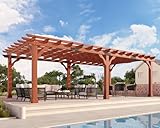
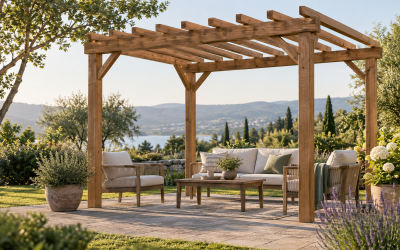
A traditional pergola is an open-sided structure with vertical posts and overhead beams or rafters. Its slatted roof provides partial shade, but it usually does not keep you dry during sustained rain. Many products marketed as pergolas are actually gazebo-style shelters with solid, fabric, polycarbonate, or metal roofs. Those provide more weather protection but may cost more and require stronger anchoring.
A common residential size is 10 by 10 feet, or 100 square feet. That is enough room for a small dining table and four chairs, two lounge chairs with a side table, or a compact outdoor sofa. A 12-by-10-foot structure provides 120 square feet and feels noticeably more useful for entertaining. An 8-by-10-foot model works well on a narrow patio but can feel tight once you add furniture.
Budget metal kits often include powder-coated steel or aluminum frames, a fabric canopy, or a hard roof made from polycarbonate panels. A basic wood pergola may use pressure-treated lumber, cedar, or another outdoor-rated species. Permanent installations can require post holes, concrete footings, permits, and help from a contractor. A freestanding kit may go together in an afternoon or a weekend, but assembly is not the same as installation: it still needs a level surface and secure anchoring.
For a useful setup, budget separately for a seating group, lighting, and anchoring hardware. Outdoor furniture can add $300 to $2,000 or more. String lights may use 10 to 40 watts, while a ceiling fan, infrared heater, or other powered accessory can require a dedicated outdoor-rated circuit. Never treat a pergola roof as a substitute for proper electrical installation.
Pros
- It creates a defined outdoor room. Posts and an overhead frame make an open yard feel intentional. Even without walls, a pergola can visually separate a dining area, conversation zone, or outdoor kitchen from the rest of the landscape.
- It improves shade. A slatted roof, retractable canopy, or solid top can make a patio more comfortable during the hottest part of the day. The amount of shade varies substantially, so check the roof design instead of relying on the word “pergola.”
- It can extend your living space. A 100- to 120-square-foot structure may be enough for regular breakfasts outside, weekend dinners, or a shaded reading area. That can deliver more daily value than a decorative landscaping project.
- It supports privacy and styling. Curtains, slatted screens, climbing plants, and outdoor rugs can make a pergola feel more secluded. The frame also gives you places to hang lanterns, fans, planters, and modest outdoor decorations.
- It can add resale appeal. Buyers often respond well to usable, well-maintained outdoor spaces. However, a poorly anchored or rusty structure can have the opposite effect, so installation quality matters more than an impressive product description.
- There are accessible entry points. A simple 8-by-10-foot gazebo-style shelter may cost around $300 to $600. For example, a listed Aoxun 8-by-10-foot sloped-roof model is priced at $299.99, making this category easier to try without committing to a custom build.
Cons
- Open roofs provide limited weather protection. Traditional rafters block some sun but do little against wind-driven rain. If staying dry is a priority, look for a solid roof, a proper drainage system, and curtains or screens.
- Wind is a serious concern. A large overhead structure acts like a sail. Lightweight kits should be fastened to a concrete pad, deck framing, or suitable footings according to the manufacturer’s instructions. Do not assume heavy furniture alone will hold it down.
- Maintenance is unavoidable. Wood may need sealing every one to three years depending on climate and finish. Fabric can mildew or fade, metal can scratch or rust, and roof panels may need cleaning. Remove snow if the manufacturer requires it, and inspect connections after severe weather.
- It consumes valuable yard space. Include the footprint of chairs pulled away from a table and the walking area around the structure. A 10-by-10-foot pergola can require a clear area closer to 14 by 14 feet for comfortable use.
- Assembly can be more demanding than expected. Long beams, roof panels, and multiple fasteners often require two or three people. A level base is essential; a sloped or soft surface can make doors, panels, and drainage perform poorly.
- Extra features increase the real price. Anchors, concrete, curtains, screens, lights, furniture, and professional installation can add hundreds or thousands of dollars. A $400 structure is not necessarily a $400 project.
Who Should Buy It
Buy a backyard pergola if you already have a usable patio, deck, or level section of yard and can name a routine for the space. If you eat dinner outside four nights a week, host summer gatherings, or want a permanent place for two lounge chairs, the investment is easier to justify.
It is especially worthwhile for homeowners who want structure without fully enclosing the yard. A pergola offers shade and visual definition while preserving airflow and an open view. Choose an open slatted model for a garden-like atmosphere, a retractable canopy for adjustable shade, or a hardtop gazebo-style model when rain protection matters more.
Compare the footprint with your furniture before ordering. A 12-by-10-foot hardtop unit may be a better long-term value than an 8-by-10-foot model if you regularly entertain. One listed Aoxun 12-by-10-foot hardtop gazebo with a polycarbonate double roof costs $399.99, illustrating why a slightly larger covered option can be reasonably priced compared with a custom build. Verify current dimensions, included hardware, roof load guidance, and warranty before purchasing.
Who Should Skip It
Skip a pergola if you need reliable year-round shelter, have frequent high winds, or do not have a sound surface for anchoring. A pergola also may be the wrong solution if your main problem is mosquitoes, intense rain, or cold weather. A screened porch, retractable awning, enclosed patio, or properly designed roof extension may serve you better.
Renters should confirm that the structure is allowed and that it can be removed without damaging the property. Likewise, skip a large kit if you are unlikely to maintain it. A sagging canopy, loose bolts, and peeling finish can turn an attractive upgrade into a safety and maintenance problem.
Cheaper Alternatives
| Option | Cost | Trade-off |
|---|---|---|
| Offset or cantilever umbrella | $100–$500 | Fast and portable, but covers less area and may need a heavy base or regular closing in wind. |
| Shade sail | $40–$250 | Inexpensive and modern-looking, but requires strong attachment points and offers limited rain protection. |
| Retractable awning | $300–$2,000 | Provides adjustable shade without posts in the yard, but wall mounting and installation can be difficult. |
| Pop-up canopy | $80–$300 | Useful for occasional events, but less attractive, less durable, and less secure for permanent use. |
| DIY wood pergola | $500–$3,000 in materials | Can be customized and sturdy, but requires tools, construction skill, finishing, and possibly permits. |
FAQ
Does a pergola keep rain out?
Usually not. Open rafters provide shade but allow rain through. A solid polycarbonate, metal, or shingled roof offers much better coverage, although wind-driven rain can still enter from the sides. For dependable dryness, consider a roof extension or screened and enclosed structure.
What is the best pergola size for a patio?
For two to four people, 8 by 10 feet can work if the furniture is compact. A 10-by-10-foot structure is a flexible minimum for a dining or seating area. Choose 12 by 10 feet or larger if you want a full dining table, a sofa, or room to circulate comfortably.
Does a pergola need to be anchored?
Yes. Every freestanding pergola should be anchored to an appropriate base. Depending on the site, that may mean structural deck fasteners, concrete anchors, ground-set posts, or manufacturer-approved stakes. Soft soil and decorative pavers alone are generally not enough for a large roofed structure.
Is a pergola or gazebo better?
Choose a pergola for an open, airy structure with partial shade and a strong architectural look. Choose a gazebo-style shelter when you want more protection from sun and rain. The better option is the one that matches your local weather, available space, anchoring surface, and willingness to maintain it.