Key takeaways
- Choosing between solar and low voltage garden lights is less about which technology is “better” and more about what you want the lighting to do. A few decorative lights around a patio have very different requirements from dependable illumination along…
Choosing between solar and low voltage garden lights is less about which technology is “better” and more about what you want the lighting to do. A few decorative lights around a patio have very different requirements from dependable illumination along a walkway, driveway, retaining wall, or set of steps.
Solar lights are simple to place and inexpensive to run, but their brightness and runtime depend on sunlight. Low voltage systems require a transformer, cable, and more installation work, yet they deliver steadier light and more control. The right choice depends on your climate, yard layout, tolerance for maintenance, and whether lighting is mainly decorative or genuinely functional.
Our top picks
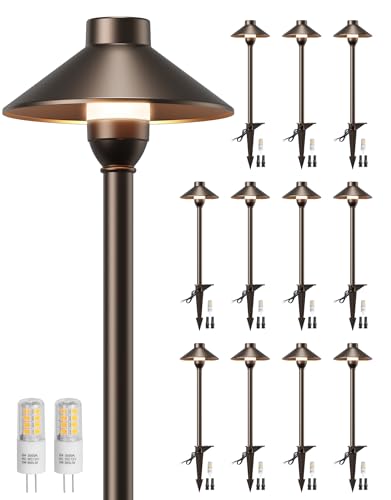 PARTPHONER Low Voltage Landscape Lighting 12-Pack
- Replaceable light bulb: This low voltage landscape lighting…
- Timeless Rustic Design:With a classic hat-shaped appearance and…
- Reliable Quality:Crafted with a robust aluminum housing, these…
| Product | Key specs | |
|---|---|---|
 addlon 52FT addlon 52FT | Check price | |
 The DIY Off Grid Solar Power Bible: The DIY Off Grid Solar Power Bible: | Check price | |
| PARTPHONER Low Voltage Landscape Lighting 12-Pack | Replaceable light bulb: This low voltage landscape lighting… Timeless Rustic Design:With a classic hat-shaped appearance and… Reliable Quality:Crafted with a robust aluminum housing, these… | Check price |
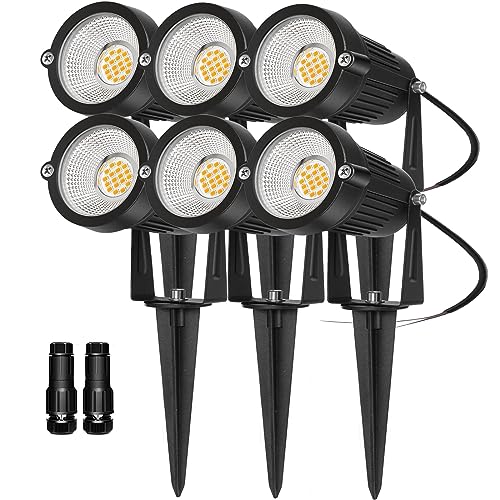 REEGOLD Low Voltage Landscape Lights Outdoor: 7W REEGOLD Low Voltage Landscape Lights Outdoor: 7W | 12V 24V Low Voltage Landscape Lights: Low voltage… High Performance & Long Service Life: We used… IP65 Waterproof Rating: This pathway light has excellent… | Check price |
As an Amazon Associate we earn from qualifying purchases at no extra cost to you.
Quick Verdict
Choose solar garden lights if you want fast, wire-free installation, low operating costs, and flexible placement for accents, planters, patios, or a rental home. They are especially practical where trenching cable would be difficult or where you only need modest brightness.
Choose low voltage garden lights if you need reliable illumination, consistent brightness, longer evening use, or a polished system that can grow with your landscaping. A wired 12-volt or 24-volt system is usually the stronger choice for walkways, stairs, driveways, trees, and security-conscious homeowners.
For many homes, the best solution is a combination: use low voltage fixtures for safety and navigation, then add solar lanterns or string lights for decorative areas.
Side by Side
| Factor | Solar Garden Lights | Low Voltage Garden Lights |
|---|---|---|
| Comfort and convenience | No cable or outlet required; install in minutes | More setup, but reliable controls and scheduling |
| Durability | Often vulnerable to weather, shading, and battery aging | Sturdy fixtures can last for years; connections need protection |
| Price range | About $10–$60 per fixture or small set | About $20–$80 per fixture, plus $50–$200 for a transformer and cable |
| Maintenance | Clean panels and replace batteries every 1–3 years | Check connections, bulbs, cable, and transformer periodically |
| Space needed | Needs direct sun and room for a panel; no trench | Needs a protected outlet, transformer, and cable route |
| Look | Best for subtle accents and informal styling | More fixture styles, beam control, and professional appearance |
| Resale appeal | Limited, unless thoughtfully integrated into the landscape | Can add to the impression of a finished, well-maintained property |
| Best for | Patios, balconies, containers, pathways, and rentals | Walkways, steps, driveways, mature landscaping, and permanent homes |
Where Solar Wins
The biggest advantage of solar lighting is installation simplicity. Most fixtures have a built-in photovoltaic panel, rechargeable battery, LED, and stake or mounting bracket. You place the light where it receives several hours of direct sunlight, switch it on, and let the automatic sensor handle dusk-to-dawn operation. There is no transformer to size, no low voltage cable to bury, and no electrician for a typical plug-in setup.
That flexibility matters in small yards and rented properties. You can move lights when you rearrange planters, remove them before a move, or avoid disturbing paving and established roots. Solar fixtures also work well for temporary events and seasonal decoration. A product such as the addlon 52FT (48+4) Solar String Lights Outdoor, listed at $17.09, illustrates the appeal of solar for decorative coverage: one panel can power a long strand without an outdoor receptacle nearby.
Operating cost is another clear benefit. Once purchased, solar lights use free sunlight rather than adding meaningful electricity consumption to your utility bill. For a homeowner who wants soft illumination along a flower bed or around a seating area, the lower upfront complexity can outweigh the limitations in brightness.
Solar is also safer around areas where cable would create a trip hazard. Fixtures can be placed around a garden border without running wires across a walkway. However, placement is crucial. A panel under a tree canopy, beside a north-facing wall, or shaded by a fence may not collect enough energy for a full evening. Winter days, cloudy weather, and dirty panels can shorten runtime as well.
Expect the rechargeable battery to be the component that needs attention first. Depending on the design and climate, replacement may be needed after roughly one to three years. Solar lights are also usually better for marking an edge than for lighting a dark staircase or providing strong light for outdoor tasks.
For homeowners who want to understand larger solar setups, The DIY Off Grid Solar Power Bible: [10 in 1] The Most Complete and Updated Guide to Design, Install, and Maintain Solar Energy Systems for Tiny Homes, Cabins, RVs, and Boats is a related $29.97 resource. It is broader than garden lighting, but the basic solar concepts—panel placement, battery storage, and energy demand—help explain why small outdoor fixtures perform differently from wired systems.
Where Low Voltage Garden Lights Wins
Low voltage lighting wins when consistency matters. A transformer reduces standard household power to a garden-safe 12 or 24 volts, sending electricity through outdoor-rated cable to each fixture. The system does not depend on that day’s sunlight, so a path can remain evenly lit after several cloudy days.
Wired fixtures also offer more useful brightness and beam control. Path lights can spread light across a walkway, while spotlights can highlight a tree, architectural feature, sign, or retaining wall. LED models commonly use about 3 to 12 watts per fixture, with brighter landscape spotlights using more. A six-fixture system drawing 7 watts each, for example, uses 42 watts while operating—enough to illuminate a substantial feature without the consumption of older halogen systems.
Low voltage systems are a better fit for safety-critical locations. If you need to see the edges of steps, identify changes in elevation, or guide cars along a driveway, dependable output is more important than avoiding cable. The PARTPHONER Low Voltage Landscape Lighting 12-Pack, priced at $149.91, represents the kind of multi-fixture pathway setup used for longer walkways and garden borders. The REEGOLD Low Voltage Landscape Lights six-pack is listed at $35.99 and combines 7-watt, 700-lumen fixtures with 12V/24V compatibility, making this type of product relevant for brighter accent or pathway planning.
Installation is still approachable for many homeowners, but it requires planning. You will need an exterior-rated outlet or a properly protected power source, a transformer with enough capacity, and cable long enough to reach every fixture. Leave capacity for expansion: a 150-watt transformer should not be loaded continuously to its maximum. Use connectors rated for outdoor burial or wet locations, and keep cable runs organized so mowing and digging do not damage them.
Low voltage lighting is not maintenance-free. Water can enter poorly sealed connections, cable can be cut during gardening, and fixtures may need adjustment as plants grow. Still, quality LED systems typically provide a more coherent and permanent appearance than a yard filled with individually placed solar units.
Cost Over 5 Years
Solar has the lowest entry cost for small installations. A set of six basic path lights may cost approximately $30–$120, while decorative solar string lights commonly fall between $15 and $60. Over five years, budget for one or two battery replacements per fixture or set, adding roughly $10–$50 depending on battery type and availability. A simple solar setup may therefore cost about $40–$170 before replacing damaged fixtures.
Low voltage costs more at the beginning. A modest system with four to six LED fixtures, cable, connectors, and a transformer often totals $150–$450. Larger or premium installations can exceed $600, especially when using multiple zones or professional installation. Electricity use remains relatively low: six 7-watt fixtures running six hours nightly consume about 92 kilowatt-hours per year. At an example electricity rate of $0.18 per kilowatt-hour, that is approximately $17 annually, or about $85 over five years.
These are planning ranges, not guarantees. Soil conditions, cable length, fixture quality, local electricity prices, and whether you do the installation yourself can change the total substantially. Low voltage usually costs more overall, but it buys stronger performance and easier expansion.
Which One for Your Home
Small apartment or townhouse
Start with solar. Balcony containers, a small patio, or a narrow shared garden rarely justify trenching cable and installing a transformer. Choose compact fixtures or string lights with a panel that can be positioned in direct sun. If the property has a dark entrance step, confirm that decorative solar lights provide enough visibility; a plug-in light may be more appropriate for that specific task.
Family with kids or pets
Use low voltage lights where children and pets walk, especially around steps, gates, and uneven paving. Bury or secure the cable according to the manufacturer’s instructions, and avoid loose wire loops. Solar can supplement the system in planting beds, but do not rely on dim, weather-dependent fixtures for the primary route through the yard.
Rental home
Solar is usually the easiest choice because it avoids permanent changes. Stake lights along a path or use removable clamps and string lights on a railing. Keep the fixtures portable and save the original hardware so the outdoor space can be restored when you move. Ask the landlord before attaching panels to walls or railings.
Long-term home
Choose low voltage for the foundation of your outdoor lighting plan. Map walkways, stairs, trees, and entertaining areas before buying fixtures, then select a transformer with room for future additions. Add solar accents where running cable would be excessive, such as distant planters or seasonal decor.
FAQ
Are solar garden lights cheaper than low voltage lights?
Usually, yes, especially for a small area. Solar avoids transformers, cable, and electrical installation. Low voltage has higher upfront costs but can provide brighter, more reliable light and may be more economical when illuminating a large or permanent landscape.
Do low voltage garden lights use a lot of electricity?
LED systems generally use modest power. Six 7-watt fixtures operating six hours each night use about 42 watts while on and approximately 92 kilowatt-hours annually. Your actual cost depends on operating hours, fixture wattage, and local utility rates.
Can solar lights work in shade?
They may still charge in bright indirect light, but runtime and brightness will usually decline. For dependable performance, place the panel where it receives several hours of direct sunlight and keep it clean. In heavily shaded yards, wired lighting is the safer choice.
Can I mix solar and low voltage garden lights?
Yes. A mixed approach is often practical. Use low voltage fixtures for steps, paths, and architectural lighting, then use solar lanterns or string lights for decorative zones. Keep the two systems separate and follow each product’s weatherproofing and installation instructions.