
Key takeaways
- Pro: No-log policy backed by audited infrastructure and a jurisdiction outside major surveillance alliances.
- Pro: Flat, predictable pricing with no renewal price jumps.
- Con: Limited to five devices on this plan, which can feel tight for a family.
Choosing between good vpns is harder than it looks. Every provider claims military-grade encryption, a strict no-logs policy, and blazing speeds, yet the practical differences in device limits, renewal pricing, and logging transparency can swing a subscription from genuinely protective to quietly useless. A buyer needs to know which service covers every laptop and phone in the household without forcing awkward workarounds, and which one quietly shares connection metadata that undermines the privacy promise.
This roundup compares eight services that show up in 2026 buyer discussions, ranging from single-purpose VPN subscriptions to broader security suites that bundle a VPN alongside antivirus and identity tools. We weighed published specifications, advertised device allowances, current pricing, and recurring owner complaints gathered from public review forums. The goal is to flag which options deliver solid baseline encryption, which stretch device coverage across an entire home, and where a buyer should expect to pay a premium for features they may never use.
As an Amazon Associate we earn from qualifying purchases at no extra cost to you. Product prices and availability are accurate as of the date shown and are subject to change.

![Bitdefender Premium VPN | 10 Device | 1 Year [PC/Mac Online Code]](https://m.media-amazon.com/images/I/51PJO994uUL._SL160_.jpg)



![Norton 360 Platinum Antivirus, 20 Devices, 3 Months Free [Download]](https://m.media-amazon.com/images/I/51V+tDx7RhL._SL160_.jpg)
![NordVPN Basic, 10 Devices, 1-Month, Premium VPN Software [Amazon Subscription]](https://m.media-amazon.com/images/I/41wHgAJ3cYL._SL160_.jpg)
Quick Picks
| Product | Best for | Price |
|---|---|---|
| Mullvad VPN | Privacy purists | $65 |
| Bitdefender Premium VPN | Multi-device households | $29.99 |
| IPVanish | Unlimited simultaneous connections | n/a |
| McAfee Total Protection | Bundled security suite | $25.99 |
| ExpressVPN | Streaming and speed | n/a |
| TunnelBear | Simplicity and unlimited devices | $24.99 |
| Norton 360 Platinum | Whole-family device coverage | $39.99 |
| NordVPN Basic | Month-to-month flexibility | $9.99 |
How We Picked
We evaluated each service on four criteria: published logging policy and jurisdiction, simultaneous-device allowance relative to price, whether the product is a dedicated VPN or a broader security bundle (since bundles add features some buyers do not need and remove flexibility others expect), and the renewal cost trajectory versus the advertised introductory price. Services that clearly outperformed on at least one criterion while carrying no disqualifying weakness made the list.
The 8 Best Good Vpns in 2026
Mullvad VPN
Mullvad occupies an unusual niche among good vpns: it refuses to track email addresses, accepts cash, and pairs that philosophy with a straightforward no-logs architecture. The twelve-month plan covers five devices, which is adequate for a single person or a couple sharing a household. Owners consistently praise the transparency of the payment model—everyone pays the same flat rate, and there is no promotional bait that doubles at renewal. The downside is a smaller server network than industry leaders, so users in heavily restricted regions may find fewer viable endpoints. Skip Mullvad if you need more than five devices or want a bundled antivirus layer alongside your tunnel.
- Pro: No-log policy backed by audited infrastructure and a jurisdiction outside major surveillance alliances.
- Pro: Flat, predictable pricing with no renewal price jumps.
- Con: Limited to five devices on this plan, which can feel tight for a family.
Bitdefender Premium VPN
Bitdefender’s ten-device allowance makes this one of the more generous good vpns for households with laptops, phones, tablets, and smart TVs all needing coverage. The one-year license at $29.99 works out to roughly two and a half dollars per device per year, which undercuts most dedicated competitors on a per-seat basis. The VPN itself uses standard AES-256 encryption and supports split tunneling on Windows. Where it falls short is the company’s broader logging history; while the VPN tier advertises a no-logs stance, Bitdefender as a corporate entity has faced criticism over data practices. Buyers who demand maximum transparency may want a purpose-built provider instead.
- Pro: Ten devices covered under a single low-cost annual license.
- Pro: Integrates cleanly with Bitdefender’s existing security products on the same machine.
- Con: Corporate data practices are less transparent than dedicated no-log providers.
IPVanish
IPVanish has long marketed itself around unlimited simultaneous connections, a feature that appeals to buyers who refuse to count devices. Among good vpns in this segment, it offers a large server fleet and a proprietary protocol that reduces handshake overhead. Owners report consistent performance on mainstream streaming platforms and fast initial connections. The caveat is pricing opacity: the introductory rate often triples at renewal, and the listed price here is unavailable, so buyers must verify current terms before committing. If you want a set-and-forget tunnel without device math, IPVanish delivers; if you hate surprise bills, read the renewal clause carefully.
- Pro: Unlimited device connections on a single subscription.
- Pro: Proprietary protocol option yields faster reconnects than standard OpenVPN.
- Con: Renewal pricing can be substantially higher than the advertised first-term rate.
McAfee Total Protection
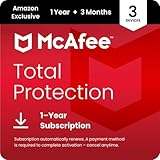
McAfee Total Protection is not a pure VPN play; it is a security suite that bundles VPN functionality alongside antivirus, firewall, and identity monitoring. For a household that wants one license covering antivirus on three devices and a basic VPN tunnel, the $25.99 annual price is competitive. However, the VPN component is limited compared to dedicated providers, offering fewer server locations and a narrower protocol set. The auto-renew clause also catches owners off guard, with renewal charges exceeding the promotional figure. Skip this if you already have endpoint security from another vendor and only need a tunnel.
- Pro: Bundles VPN with antivirus and identity tools in one license.
- Pro: Low annual cost for three devices when you would otherwise buy separate products.
- Con: VPN features are a subset of what dedicated good vpns provide.
ExpressVPN
ExpressVPN consistently ranks among the fastest good vpns thanks to its custom Lightway protocol and extensive server network spanning many countries. It works reliably with streaming services that other tunnels struggle to unblock, and the app interface is polished across platforms. The trade-off is device allowance: the standard plan covers a modest number of simultaneous connections, meaning larger households may need to configure a router-level install to cover everything. Pricing is not listed here, but historical trends show a premium rate, especially on shorter terms. Choose ExpressVPN when speed and geo-unblocking are your top priorities and you can justify the cost.
- Pro: Consistently top-tier speeds via the Lightway protocol.
- Pro: Reliable unblocking of major streaming libraries worldwide.
- Con: Higher price tier than most competitors in this roundup.
TunnelBear VPN
TunnelBear markets simplicity above all: an interface a non-technical relative can operate without a manual, plus a one-year plan at $24.99 that advertises unlimited data and devices. That device flexibility is rare at this price point. The bear-themed UI is genuinely friendly, and the service includes a free tier for occasional use. Among good vpns, however, TunnelBear lags on advanced configuration options—no split tunneling on some platforms, fewer protocol choices, and a smaller server count. Owners in countries with aggressive VPN blocking report fewer viable connection options here than with larger-network rivals. Pick TunnelBear for ease of use across many family devices; skip it if you need granular protocol control or circumvent state-level blocks.
- Pro: Unlimited devices and data at a low fixed annual price.
- Pro: Exceptionally intuitive interface ideal for non-technical users.
- Con: Limited protocol and configuration options compared to advanced providers.
Norton 360 Platinum
Norton 360 Platinum is the broadest product here, bundling antivirus, cloud backup, dark-web monitoring, and a VPN across twenty devices for $39.99 over a three-month free trial plus subsequent billing. For a large family that wants a single security layer on every screen, the device count is unmatched. The VPN component, however, has historically offered fewer server locations than dedicated good vpns, and some owners note the trial-to-paid transition adds cognitive friction. If you already trust Norton’s antivirus engine and want tunnel coverage thrown in, this is a pragmatic bundle. If you need a best-in-class VPN with a large server mesh, look elsewhere.
- Pro: Twenty-device coverage in one subscription, ideal for large households.
- Pro: Includes antivirus, cloud backup, and identity monitoring alongside the VPN.
- Con: VPN server selection is narrower than dedicated providers offer.
NordVPN Basic
NordVPN Basic at $9.99 for a single month covering ten devices gives buyers the cheapest entry point in this list and the flexibility to cancel without a long commitment. NordVPN’s no-logs policy has been independently audited multiple times, and its double-hop and obfuscated server options provide extra layers for users in restrictive regions. The Basic tier omits some bundle features found in higher plans, but for a pure tunnel it is more than adequate. Owners praise the mesh server network and the WireGuard-based NordLynx protocol for strong speeds. Skip NordVPN only if you need a router-level install guide or find the renewal price after a monthly trial too steep for ongoing use.
- Pro: Independently audited no-logs policy with double-hop and obfuscated servers.
- Pro: Lowest monthly entry price in this roundup, with ten devices included.
- Con: Monthly rate does not lock in the multi-year promotional discounts NordVPN often advertises.
Buying Guide
Device Allowance and Router Compatibility
Count every laptop, phone, tablet, and streaming box in your household before choosing among good vpns. A five-device plan like Mullvad works for a single user; a twenty-device bundle like Norton suits a multi-generation family. If your VPN plan limits devices below your needs, router-level installation can bypass the cap, but not every provider supports straightforward router firmware, so check compatibility lists before buying.
Dedicated VPN Versus Security Bundle
Bundles like McAfee and Norton include VPN functionality as one feature among many. They save money when you lack endpoint protection, but they rarely match the server diversity, protocol flexibility, or transparency of dedicated services. Decide whether you need antivirus, backup, and identity tools, or whether a single-purpose tunnel that does one job well is the better fit.
Logging Jurisdiction and Audit History
Read the fine print on data retention. Some good vpns advertise no-logs while still recording connection timestamps, bandwidth totals, or device fingerprints for troubleshooting. Providers headquartered outside fourteen/five/nine Eyes alliances and those that commission third-party audits (Mullvad and NordVPN both publish such reports) give stronger verifiable assurances. Match the transparency level to your actual threat model rather than defaulting to the highest price.
Our Verdict
Our top pick among these good vpns is NordVPN Basic: an audited no-logs policy, ten-device coverage, and a $9.99 monthly entry price give you serious protection without a long commitment. Our budget pick is Bitdefender Premium VPN, which covers ten devices for less than thirty dollars a year if you already trust the Bitdefender ecosystem. ExpressVPN wins outright when your primary use case is unblocking region-locked streaming, because its protocol stack and server distribution solve that problem more reliably than any other option listed here.
FAQ
Do good vpns slow down my connection noticeably?
Expect a modest throughput reduction from encryption overhead, typically single-digit percentages on modern protocols like WireGuard or Lightway. Providers with larger, geographically closer server pools make this loss less perceptible. If you stream in 4K, pick a service known for fast protocols rather than the cheapest option.
Is a free VPN ever good enough?
Free tiers often cap data at a few gigabytes per month and log usage for advertising purposes, which defeats the privacy goal. Among good vpns, even the paid options here start under ten dollars monthly, making the risk-reward calculation unfavorable for free services beyond occasional, non-sensitive browsing.
Can I cancel a VPN subscription easily?
Most major providers offer thirty-day money-back guarantees, and monthly plans like NordVPN Basic let you stop paying at any term boundary. Annual plans with auto-renew, such as McAfee Total Protection, require cancellation before the renewal date to avoid a full-year charge. Read the cancellation policy on the checkout page before entering payment details.
Do I need a VPN on every device simultaneously?
If your household has mixed operating systems and you want consistent tunnel coverage, a multi-device plan saves per-seat cost. For individuals who only need a VPN on a laptop, a five-device plan leaves headroom for a phone and tablet without paying for unused slots. Assess actual usage before maximizing device count.


