Key takeaways
- More usable outdoor time: A roof creates shade during the hottest part of the day and provides a dry place to sit during light showers. That can turn a patio into a space you use for morning coffee, dinners, reading, or remote work.
- Better comfort for gatherings: A 10-by-12-foot gazebo can accommodate a dining table and chairs without forcing guests to sit in direct sun. Curtains or mosquito netting can make evenings more pleasant.
- Defined outdoor room: A gazebo gives a large yard structure and purpose. Outdoor furniture looks more intentional beneath a roof, and rugs, lighting, and planters can make the area feel like an extension of the home.
- Protection for furniture: A roof reduces exposure to ultraviolet light and rain. It will not eliminate fading or rust, but it can help cushions, wood, and metal furniture last longer.
- Useful lighting and power options: Battery lanterns, solar lights, and low-voltage string lights are easy additions. If you want a ceiling fan or permanent lighting, plan for electrical work rather than assuming the kit supports it. A small outdoor fan may draw around 20 to 60 watts, but the product’s wiring and mounting instructions matter.
- Potential appeal to buyers: A well-placed, attractive gazebo can make a backyard feel more finished. It is not guaranteed to return its full purchase price, but a durable structure that suits the home is generally more appealing than a neglected one.
What's inside
The Short Answer
Yes—if you expect to use an outdoor sitting or dining area at least once a week. A gazebo is worth the money when it turns a sunny, damp, or buggy part of your yard into genuinely usable living space. If you only host outdoors a few times each summer, a less permanent shade option will probably do the job for less.
“Gazebo” can mean anything from a lightweight pop-up shelter to a substantial hardtop structure attached to a patio. For most homeowners asking whether they need one, the real question is whether a covered outdoor room will improve daily life enough to justify the cost, maintenance, and installation work. The answer is often yes—but not automatically.
As an Amazon Associate we earn from qualifying purchases at no extra cost to you. Product prices and availability are accurate as of the date shown and are subject to change.


What You Actually Get
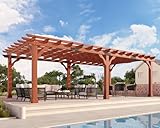
A permanent or semipermanent gazebo typically gives you a roofed area measuring about 10 by 10 feet, 10 by 12 feet, or 12 by 14 feet. A 10-by-12-foot footprint provides 120 square feet of coverage, enough for a six-person dining table, a small conversation set, or a grill-and-seating arrangement with sensible clearance.
Hardtop models generally use galvanized steel, aluminum, or polycarbonate roof panels. The two Aoxun examples illustrate the common price range: a 10-by-12-foot hardtop with a double galvanized steel roof is listed at $479.99, while a 12-by-10-foot model with a polycarbonate double roof is listed at $399.99. Prices can change, but roughly $400 to $1,200 is a realistic starting range for many freestanding residential gazebos, before professional installation or a concrete base.
You also get shade and some protection from light rain. That does not make the structure weatherproof. Open-sided gazebos will not stop wind-driven rain, cold temperatures, or insects unless you add curtains, screens, or removable panels. A roof can also make the area warmer in still weather, particularly if it has dark panels and limited airflow.
Expect assembly to be a meaningful project. Many kits involve multiple people, a ladder, and several hours of work. A typical structure may weigh hundreds of pounds once assembled, although the exact weight varies significantly by roof material and frame design. You may need a level patio, pavers, a concrete slab, or anchored footings. Check local rules before buying: some municipalities require a permit, especially for larger structures, permanent foundations, or installations close to property lines.
Pros
- More usable outdoor time: A roof creates shade during the hottest part of the day and provides a dry place to sit during light showers. That can turn a patio into a space you use for morning coffee, dinners, reading, or remote work.
- Better comfort for gatherings: A 10-by-12-foot gazebo can accommodate a dining table and chairs without forcing guests to sit in direct sun. Curtains or mosquito netting can make evenings more pleasant.
- Defined outdoor room: A gazebo gives a large yard structure and purpose. Outdoor furniture looks more intentional beneath a roof, and rugs, lighting, and planters can make the area feel like an extension of the home.
- Protection for furniture: A roof reduces exposure to ultraviolet light and rain. It will not eliminate fading or rust, but it can help cushions, wood, and metal furniture last longer.
- Useful lighting and power options: Battery lanterns, solar lights, and low-voltage string lights are easy additions. If you want a ceiling fan or permanent lighting, plan for electrical work rather than assuming the kit supports it. A small outdoor fan may draw around 20 to 60 watts, but the product’s wiring and mounting instructions matter.
- Potential appeal to buyers: A well-placed, attractive gazebo can make a backyard feel more finished. It is not guaranteed to return its full purchase price, but a durable structure that suits the home is generally more appealing than a neglected one.
Cons
- It takes up permanent space: A 10-by-12-foot gazebo needs more than 120 square feet once you account for walking clearance, chairs pulled away from a table, and access around the perimeter. Measure the whole usable zone before ordering.
- Installation is not trivial: Roof panels and frames can be awkward and heavy. Even a kit advertised as easy to assemble may require two to four adults, a full day, and tools such as a level, drill, ladder, and socket set.
- Anchoring is essential: A freestanding structure can become dangerous in strong wind if it is not attached to an appropriate base. Do not rely on furniture, decorative blocks, or a few loose stakes to hold down a hardtop gazebo.
- Maintenance continues: Clear leaves and standing water, inspect fasteners, clean roof panels, and check curtains and screens. Steel can corrode if its finish is damaged, while polycarbonate can discolor or become brittle over time.
- It is not a four-season room: An open gazebo does little against cold, snow, sideways rain, or severe wind. Adding walls may improve comfort but can increase wind load and change permit requirements.
- The low advertised price is not the final cost: Budget for delivery, a base or anchors, furniture, lighting, mosquito screens, and possible installation. A $400 kit can reasonably become a $700 to $1,500 project depending on site preparation and labor.
Who Should Buy It
Buy a gazebo if your yard already has a level location and you can name several ways you will use it. It makes particular sense for people who eat outside regularly, host family and friends, need a shaded play or lounging area, or want a dedicated place for a hot tub, dining table, or outdoor sofa. It is also a practical choice when the patio receives intense afternoon sun and an umbrella cannot cover the furniture you want to use.
Choose a hardtop when durability, year-round appearance, and better rain protection matter more than portability. Galvanized steel usually feels substantial and blocks light effectively; polycarbonate panels can allow some daylight through while remaining lighter-looking. Compare the roof warranty, frame finish, snow-load guidance, included anchors, and replacement-panel availability rather than shopping on price alone.
Who Should Skip It
Skip a gazebo if you rent, expect to move within a year or two, or do not have permission to install a permanent structure. It is also a poor fit for a small yard where the footprint would crowd a walkway, block windows, or leave no room for comfortable circulation.
You may not need one if you use the yard only occasionally. A quality umbrella can cover a four- to six-person table, while a pop-up canopy can provide temporary coverage for parties. Homeowners in areas with frequent hurricanes, heavy snow, or very high winds should be especially cautious. A gazebo rated for ordinary residential conditions may not be appropriate without professional design, stronger anchoring, or seasonal removal.
Cheaper Alternatives
| Option | Cost | Trade-off |
|---|---|---|
| Offset or market umbrella | $80–$400 | Fast and flexible, but usually covers only 40–70 square feet and must be closed or secured in wind. |
| Pop-up canopy | $100–$350 | Provides roughly 100–144 square feet of shade and stores away, but has less visual appeal and lower long-term durability. |
| Retractable awning | $300–$2,000 | Attaches to the house and preserves yard space, but needs a suitable wall and offers limited coverage away from the exterior wall. |
| Pergola with fabric canopy | $250–$900 | Creates a more permanent frame, but fabric can fade, collect water, and provide less reliable rain protection. |
| Shade sail | $40–$300 | Affordable and modern-looking, but requires strong attachment points and will not create a dry space during rain. |
These alternatives are particularly sensible if you are testing whether outdoor living will become a habit. Use one for a season, track how often you sit outside, and upgrade to a gazebo if the limitations become obvious.
FAQ
Does a gazebo keep rain out?
It keeps out rain that falls mostly straight down, but open sides allow wind-driven rain to enter. Curtains, screens, or outdoor panels improve protection, although they can reduce airflow and add wind resistance. A gazebo should not be treated as a sealed, waterproof room.
How big should my gazebo be?
For a small seating area, 10 by 10 feet is often enough. Choose 10 by 12 feet for a dining table plus walking space, or 12 by 14 feet if you want dining and lounge furniture together. Leave at least 2 to 3 feet of clearance around the structure where possible, and measure chair movement—not just the tabletop.
Is a hardtop gazebo better than a soft-top model?
A hardtop usually offers better longevity, a cleaner appearance, and more dependable shade and rain protection. A soft-top is lighter, less expensive, and easier to remove, but fabric generally needs more frequent replacement and can sag or fade. The better choice depends on whether you want a seasonal shelter or a long-term outdoor room.
Do I need planning permission or a permit?
Possibly. Rules vary by city, county, structure size, foundation type, setback from property lines, and whether the gazebo is attached to the house. Check with your local building department and homeowners association before ordering. Also verify underground utilities before installing anchors or footings.