Key takeaways
- Lower cost than a permanent roof. Many basic covers cost between $30 and $100, compared with a much larger investment for a hardtop pergola or patio roof.
- More comfortable outdoor space. Blocking direct sun can make seating, dining, and entertaining noticeably more pleasant during hot parts of the day.
- Simple visual upgrade. Replacing faded fabric or adding a neutral shade panel can make an older pergola look cleaner without replacing the frame.
- Some reduction in ultraviolet exposure. Dense fabric can reduce the amount of direct UV reaching people, cushions, rugs, and outdoor furniture. The exact protection depends on the material, weave, color, and condition.
- Removable and replaceable. You can take the fabric down for winter, severe storms, or cleaning. If it eventually wears out, replacing the panel is cheaper than replacing the entire structure.
- Better airflow than a solid roof. Breathable shade cloth allows heat to escape and can feel less stuffy than an enclosed roof, particularly on warm afternoons.
- Flexible installation. Grommeted fabric can work on different frame sizes when you have room to adjust tension and add attachment points.
What's inside
The Short Answer
Yes, pergola canopies are worth it if you already have a sturdy pergola frame, want more usable shade, and can remove or secure the cover when weather turns rough. They are not a permanent substitute for a roof, and they are usually a poor buy if you expect complete rain protection, strong wind resistance, or a maintenance-free outdoor room.
For many patios, a canopy is one of the least expensive ways to make a pergola more comfortable. A replacement fabric cover can cost roughly $40 to $150, while a separate shade cloth may cost about $25 to $100. That is considerably less than building a solid roof, but the lower price comes with compromises in durability, weather protection, and appearance.
As an Amazon Associate we earn from qualifying purchases at no extra cost to you. Product prices and availability are accurate as of the date shown and are subject to change.


What You Actually Get
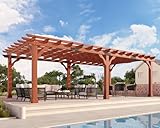
A pergola canopy is typically a fabric panel attached to the top or sides of an existing pergola. Some are designed specifically as replacement covers for a matching frame. Others are generic shade cloths that attach with grommets, cords, clips, or bungee ties.
The most common materials are polyester, polyethylene, and acrylic. Polyester is affordable and can look relatively tailored, but inexpensive versions may fade or weaken in direct sun. Knitted polyethylene shade cloth is lightweight, breathable, and often sold with a stated shade percentage, such as 70%, 90%, or higher. Acrylic fabric generally offers a more upscale appearance and better color retention, but it usually costs more.
Sizes vary widely. A small cover might measure about 8 by 10 feet, while larger pergolas commonly need panels around 10 by 12, 12 by 14, or 12 by 16 feet. Measure the frame—not just the patio—and check whether the canopy needs to fit inside the perimeter, stretch over it, or attach to sliding rails.
Two inexpensive examples show the difference in design. The Iheqard 200 by 103-inch replacement shade cover is a fitted cover only, priced at about $49.99. It makes sense when you already own the compatible pergola frame and need a replacement panel. The Artpuch 90% shade cloth measures 10 by 12 feet, includes grommets, and costs about $29.69. It is more flexible, but it may require additional hardware and may not fit or look like an original equipment cover.
Most canopies provide shade rather than shelter. A tightly woven fabric may block a large percentage of sunlight, but that does not mean it will keep a table and chairs dry during sustained rain. Water can pool, leak through seams, or blow in from the sides. A canopy also does little to stop wind unless the entire pergola is engineered for it.
Pros
- Lower cost than a permanent roof. Many basic covers cost between $30 and $100, compared with a much larger investment for a hardtop pergola or patio roof.
- More comfortable outdoor space. Blocking direct sun can make seating, dining, and entertaining noticeably more pleasant during hot parts of the day.
- Simple visual upgrade. Replacing faded fabric or adding a neutral shade panel can make an older pergola look cleaner without replacing the frame.
- Some reduction in ultraviolet exposure. Dense fabric can reduce the amount of direct UV reaching people, cushions, rugs, and outdoor furniture. The exact protection depends on the material, weave, color, and condition.
- Removable and replaceable. You can take the fabric down for winter, severe storms, or cleaning. If it eventually wears out, replacing the panel is cheaper than replacing the entire structure.
- Better airflow than a solid roof. Breathable shade cloth allows heat to escape and can feel less stuffy than an enclosed roof, particularly on warm afternoons.
- Flexible installation. Grommeted fabric can work on different frame sizes when you have room to adjust tension and add attachment points.
Cons
- Limited rain protection. Many shade fabrics are water-resistant at best, not waterproof. A 90% shade rating describes sunlight reduction, not rain performance.
- Wind is the main risk. A canopy acts like a sail. Gusts can pull out grommets, bend a lightweight frame, or loosen fasteners. Remove the cover before high winds rather than relying on a product’s marketing language.
- Fit can be frustrating. A panel that is even several inches too small may leave gaps, while an oversized one can sag, flap, and collect water. Replacement covers are especially dependent on the original frame’s dimensions and attachment system.
- Fabric wears out. Sun exposure, mildew, dirt, repeated folding, and tension gradually weaken outdoor textiles. Budget covers may need replacement after a few seasons, depending on climate and care.
- Extra hardware may be necessary. A generic shade cloth may include grommets but no suitable screws, hooks, rails, rope, or bungees. Budget another $10 to $40 for attachment hardware if you do not already have it.
- Less polished than a fitted roof. Wrinkles, visible ties, sagging edges, and movement in the breeze are normal with low-cost fabric canopies.
- Shade is not the same as cooling. A canopy blocks radiant sun, but it will not air-condition the patio. Dark fabrics can also become warm in direct sunlight, even when they make the space below feel better.
Who Should Buy It
A pergola canopy is a good choice for homeowners who already have a structurally sound frame and mainly need daytime shade. It also suits renters or budget-conscious shoppers who want a reversible improvement rather than construction work. If your pergola is over a dining table, lounge chairs, or a grill-adjacent seating area, even partial shade can make the space more useful.
Buy one if you are comfortable taking it down during storms and storing it dry. Look for reinforced corners, double-stitched edges, rust-resistant grommets, and clear care instructions. For a sunny patio, a shade rating around 70% to 90% is a reasonable starting point. Choose a lighter color for a brighter feel or a darker color for stronger visual shade, while remembering that color alone does not prove UV performance.
Who Should Skip It
Skip a fabric canopy if you need a dry, enclosed, year-round outdoor room. A hardtop roof, polycarbonate panel system, or professionally built patio cover will provide more dependable rain protection and typically better long-term stability.
You should also reconsider one if your pergola is lightweight, poorly anchored, already leaning, or located in an exposed, windy area. Adding fabric before reinforcing the frame can increase the risk of damage. If you do not want seasonal removal, occasional washing, or periodic replacement, a canopy may become an annoyance rather than an upgrade.
Cheaper Alternatives
| Option | Cost | Trade-off |
|---|---|---|
| Basic outdoor shade cloth | $25–$60 | Lowest cost and easy to customize, but it may look informal and usually needs separate hardware. |
| Replacement pergola fabric panel | $40–$150 | Cleaner fit when compatible, but it may work only with a specific frame and attachment layout. |
| Outdoor curtain panels | $30–$120 for a set | Adds side shade and privacy, but does not cover the top and can catch wind. |
| Retractable sun shade or sail | $40–$180 | Can cover a larger or irregular area, but requires strong anchor points and may sag without careful tensioning. |
| Large patio umbrella | $60–$250 | Easy to move and store, but covers less area and needs a heavy base, often 40 to 100 pounds. |
| DIY lattice with climbing plants | $50–$300 | Attractive and potentially long-lasting, but plants take time to grow and require regular pruning and water. |
FAQ
Does a pergola canopy keep rain out?
Usually not completely. Some tightly woven or coated fabrics shed light rain, but seams, edges, and gaps still allow water through. Shade cloth with an open weave is intended primarily to reduce sunlight and heat, not to create a waterproof roof. If rain protection matters, verify that the product is specifically labeled waterproof and install it with enough slope to prevent pooling.
How long does a pergola canopy last?
There is no universal lifespan. A budget fabric panel may last roughly one to three seasons in intense sun, while a higher-quality outdoor textile can last several years with proper care. Removing the canopy before storms, storing it completely dry, and washing it according to the manufacturer’s instructions can extend its useful life. Avoid folding damp fabric, which encourages mildew.
What size pergola canopy should I buy?
Measure the frame at several points and compare those measurements with the manufacturer’s finished dimensions. Account for how the cover attaches: a panel that fits over the frame may need to be larger than the inside opening, while a sliding replacement canopy may need precise dimensions. Do not assume a nominal 10-by-12-foot cover measures exactly that after hems, pockets, or tensioning are considered.
Can a pergola canopy stay up all year?
Only if the manufacturer recommends it and the frame is properly anchored for local conditions. Even then, snow, ice, heavy rain, and strong gusts can damage fabric and hardware. In most climates, seasonal removal is the safer approach. For a canopy expected to remain installed permanently, choose a system with reinforced mounting points and a frame designed for the additional wind load.
Overall, pergola canopies are worth it when you view them as affordable, removable shade—not as a complete roof. Choose a fitted replacement for the best appearance, a generic shade cloth for the lowest price and greatest flexibility, and a hardtop solution when dependable weather protection is the priority.