Key takeaways
- Best Overall: Devoko Resin 24-inch Tall Planters, set of 2 – matched pair, eight drainage holes per pot.
- Best Fiberglass Bowl: Wil & Vic 89s Nova 21.3-inch – wide and low, coco mat included.
- Best for Entryways: Edinburgh Tall Square Fiberglass Planter – 15 x 15 x 30 inches, matte black.
- Best Value Set: Ultym 2-Pack 16-inch Square Fir Planter Boxes – removable bases and liners.
- Best for Trees and Tall Plants: potique Large Resin Planter Pot, 17.7-inch size – stone-textured finish.
- Best Classic Look: Austram 22-inch Stone-Resin Urn Planters, set of 2 – pedestal shape for porch pairs.
- Best Long Box: TerraDeco 31-inch Rectangular Planter – for balconies, railings and screening rows.
If you want the best large outdoor planters for a patio, start with material rather than style: resin gives the lightest weight and the lowest upkeep, fiberglass gives the cleanest modern shapes and the biggest sizes, and wood gives the warmest look but needs the most care. Our top pick is the Devoko 24-inch tall resin planter set because it gives you two matching tall pots with eight drainage holes each, and the runner-up is the Wil & Vic 89s Nova fiberglass bowl for anyone who wants a wide, low statement piece that is still light enough to move.
This guide is written for people filling a patio, deck, porch or courtyard with big containers. It sorts the picks by material (resin, fiberglass and wood), explains what drainage and wall thickness really change in daily use, and shows how to size a pot for the plant you actually want to grow. Concrete planters are covered elsewhere on this site, so here we stay with the lighter materials that are easier to place and rearrange.
Our top picks
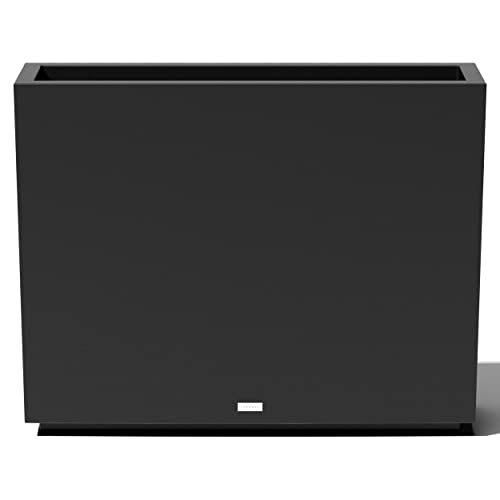
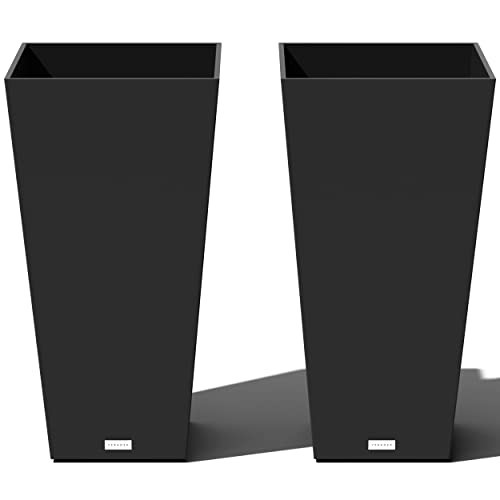


As an Amazon Associate we earn from qualifying purchases at no extra cost to you.
Top Picks at a Glance
- Best Overall: Devoko Resin 24-inch Tall Planters, set of 2 – matched pair, eight drainage holes per pot.
- Best Fiberglass Bowl: Wil & Vic 89s Nova 21.3-inch – wide and low, coco mat included.
- Best for Entryways: Edinburgh Tall Square Fiberglass Planter – 15 x 15 x 30 inches, matte black.
- Best Value Set: Ultym 2-Pack 16-inch Square Fir Planter Boxes – removable bases and liners.
- Best for Trees and Tall Plants: potique Large Resin Planter Pot, 17.7-inch size – stone-textured finish.
- Best Classic Look: Austram 22-inch Stone-Resin Urn Planters, set of 2 – pedestal shape for porch pairs.
- Best Long Box: TerraDeco 31-inch Rectangular Planter – for balconies, railings and screening rows.
Quick Comparison Table
| Product | Best for | Key specs (from listing) | Watch for | Price tier |
|---|---|---|---|---|
| Devoko Resin 24″ Tall Planters (set of 2) | Flanking a door or a seating area | Resin, 24 in tall, tapered, 8 drainage holes each | Weight and wall thickness not listed | Mid-range |
| potique Large Resin Planter Pot | Small trees, big flowering plants | Resin, 17.7 in size option, stone-textured, weather-resistant | Check which size you order | Mid-range |
| Wil & Vic 89s Nova | Wide bowl on a deck or table-height ledge | Fiberglass, 21.3 in dia x 16.5 in tall, coco mat included | Single pot, drainage details not listed | Premium |
| Edinburgh Tall Square Fiberglass | Entryway pairs, modern fronts | Fiberglass, 15 x 15 x 30 in, matte black | Narrow footprint can tip if top-heavy | Premium |
| TerraDeco 31″ Rectangular | Railings, edges, privacy rows | 31 in long, charcoal gray, pre-drilled drainage | Material not stated in the title | Mid-range |
| Austram 22″ Urn Planters (set of 2) | Formal porches and entries | Stone-resin, 22 in, pedestal shape, black | Narrow base on a tall urn | Premium |
| Ultym 16″ Fir Planter Boxes (2-pack) | Wood look on a budget | Fir wood, 16 in square, removable bases and liners, drainage holes | Untreated wood ages faster | Budget |
1. Devoko Resin 24″ Tall Planters: Best Overall
- Material: resin, tapered tall shape
- Height: 24 inches
- Drainage: eight holes per planter, per the listing
- Pack: set of 2, aimed at porch and patio use
- Weight and exact diameter: not listed
Best for: anyone who wants a matched pair for a front door, a patio corner or either side of a set of steps. Skip if: you need a single very wide pot for a small tree.
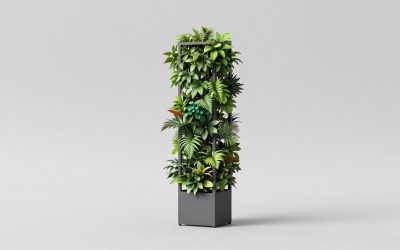
A tapered 24-inch pot is the most forgiving size in this guide. It is tall enough to read as a feature from the street or from across the patio, yet narrow enough that two of them fit beside a door without blocking it. The taper also lets the root ball sit in a wider upper section, which suits annual mixes, ornamental grasses and upright shrubs that like room at the top.
Eight drainage holes is more than most large containers offer, and it matters. Large pots hold a lot of soil, and soil at the bottom of a deep pot can stay wet for days after heavy rain. More holes mean water leaves faster, and that is the first defense against soggy roots. Because resin does not wick moisture the way terracotta does, drainage is the only way water escapes, so this feature does real work.
The listing does not state weight, so we cannot give a number, but resin containers in this class are generally much lighter than ceramic or stone of the same size. That is why a set like this suits renters, balcony-adjacent patios, and anyone who rearranges seasonally. One practical tip: fill the bottom third with a lightweight filler such as empty plastic bottles or foam packing blocks, then use potting mix above it. That cuts soil volume, cost and weight without hurting root space for shallow-rooted plants.
Pros: matched pair; generous drainage; tall visual presence; light material; suits seasonal swaps. Cons: exact wall thickness and weight not listed; tall shapes can tip in strong wind when empty or planted with top-heavy plants.
2. Wil & Vic 89s Nova 21.3″: Best Fiberglass Bowl
- Material: fiberglass
- Size: 21.3 in diameter x 16.5 in height
- Finish shown in the listing: Rust
- Use: indoor and outdoor
- Extra: coco mat included
Best for: a low, wide statement piece on a deck or beside a lounge chair. Skip if: you need several matched pots at a small outlay.
A wide bowl changes how a patio feels. Where tall pots add height, a bowl at roughly 21 inches across adds mass at seat level, and it shows plants from above, which is how most people view them on a patio. Mixed arrangements of trailing plants, a central upright and a few seasonal flowers look best in this kind of vessel.
Fiberglass is the material that makes this style practical. It can be formed into smooth, thin walls that stay light even at this diameter, and it resists the cracking that ceramic suffers when it freezes. The coco mat mentioned in the listing is a small but thoughtful extra: it covers the drain area and helps keep soil in while water passes. The listing does not list drainage hole count or weight, so check the product page before ordering if you plan to fill it with a large plant.
Because it is both indoor and outdoor rated, this planter also works as a winter relocation piece. If you bring tender plants inside in cold months, a container that does not look out of place in a sunroom is a real benefit.
Pros: light for its diameter; low profile; coco mat included; works indoors and out. Cons: sold as a single pot; premium tier; drainage and weight details not listed.
3. Edinburgh Tall Square Fiberglass Planter: Best for Entryways
- Material: fiberglass (from the maker name and title)
- Dimensions: 15 x 15 x 30 inches
- Color: matte black
- Shape: tall square
- Drainage and weight: not listed
Best for: a crisp, architectural look at a modern front door or beside a glass patio door. Skip if: you want a rustic or cottage feel.
A 30-inch square column is a design tool as much as a container. Pairs of these frame an entry, and one in a corner can hide a downspout or utility box when filled with a tall grass. The 15-inch square footprint keeps it from eating much floor space, which is useful on a narrow porch.
The trade-off with narrow, tall pots is stability. Planted with a dense, top-heavy shrub, a pot this slim can catch wind. Put a layer of gravel or a few bricks at the base, or choose plants with narrower canopies such as dwarf conifers, upright grasses and boxwood. Matte black also absorbs heat in full sun, so for sun-baked spots favor plants that tolerate warm roots, or shade the pot with a second plant at its base.
Pros: sleek proportions; small footprint; strong vertical impact; pairs well. Cons: dark color warms in sun; stability needs attention; specs beyond size not listed.
4. Ultym 2-Pack 16″ Fir Planter Boxes: Best Value Set
- Material: fir wood
- Size: 16 inch square
- Pack: two planters
- Details from the listing: drainage holes, removable bases, liners
- Weight: not listed
Best for: a natural wood look without paying premium-material prices. Skip if: you want a zero-maintenance container.
Wood is the one material here that benefits from a liner, and this set includes liners according to its listing. A liner keeps soil off the wood, which slows rot at the contact points, and removable bases make it easier to clear a clogged drain and to lift out the plant at season end.
Sixteen inches is a mid-size container: right for a pair of herbs and flowers, a small hydrangea, or a seasonal mix of annuals, but not big enough for a long-term shrub. Think of it as the display tier rather than the permanent tier. Fir is a softwood, so expect to re-seal or re-stain it every year or two if it sits in rain, and keep it slightly off the ground on pot feet so the base can dry.
Pros: natural look; set of two; liners and removable bases; drainage holes. Cons: softwood needs sealing; size limits plant choices; not suited to harsh-winter freeze cycles unless emptied.
5. potique Large Resin Planter Pot: Best for Trees and Tall Plants
- Material: resin, lightweight
- Size option in the listing: 17.7 inch (Large)
- Finish: stone-textured
- Use: weather-resistant, indoor and outdoor
- Weight: not listed
Best for: small trees such as a potted citrus, a Japanese maple or a large shrub where one big pot is better than two small ones. Skip if: you want matching pairs.
The stone texture is the main reason to choose this over a plain plastic pot. From a few feet away it reads as carved stone, and it hides scuffs better than a smooth glossy finish. The listing mentions the pot is meant for trees and big flowers, and a 17.7-inch size gives enough root space for a young tree for a few seasons, after which you will need to up-pot or root-prune.
Check which size variant you add to your cart, since the listing offers multiple sizes. If you want a small tree to live in the pot for years, go for the largest variant offered rather than the one named in this review.
Pros: light; stone-like look; indoor and outdoor; suited to trees. Cons: multiple variants can confuse; single pot; wall thickness not listed.
6. Austram 22″ Stone-Resin Urn Planters: Best Classic Look
- Material: stone-resin blend
- Height: 22 inches
- Pack: set of 2, pedestal style
- Color: black
- Intended for: front porch, patio, entryway, deck
Best for: traditional homes, formal entries and symmetrical porch designs. Skip if: you prefer modern minimal shapes.
An urn on a pedestal draws the eye upward and suits a spiller-and-thriller planting: an upright center plant, a mid layer of seasonal color and trailing plants over the rim. The pedestal base is narrower than the bowl, which looks elegant but means you should place them in a sheltered spot or weigh the base with gravel.
Stone-resin is a mix of resin and mineral filler, and it gives a heavier, more solid feel than pure plastic resin. The listing does not give a weight, so treat the heft as a likely advantage rather than a measured one. Because the shape is a bowl, check that the drain is clear on arrival and add a few extra holes if the manufacturer allows it.
Pros: classic silhouette; pair included; sturdy-feeling material; ideal for porch symmetry. Cons: premium tier; narrow base; not a modern look.
7. TerraDeco 31″ Rectangular Planter: Best Long Box
- Length: 31 inches
- Color: charcoal gray
- Drainage: pre-drilled, per the listing
- Uses named in the listing: balconies, patios, entryways, offices, cafes
- Material and depth: not listed in the title
Best for: lining a railing, edging a seating area or creating a green screen. Skip if: you need to know the material before buying.
Long planters solve problems that round pots cannot. A row of grasses along a patio edge creates a soft boundary, and a long box of herbs near the kitchen door puts them within reach. The listing mentions commercial settings such as cafes and hotel corridors, which suggests it is built for repeated use and public spaces.
The one gap is the missing material and depth information in the title. Before ordering, confirm both on the product page, because depth determines which plants will thrive: 8 to 10 inches suits herbs and annual flowers, while 12 inches or more suits grasses and small shrubs.
Pros: long format; pre-drilled drainage; neutral color; suits railings and edges. Cons: material and depth not in the title; length makes it hard to move once filled.
Also Consider
Usocik Large Outdoor Planters, Set of 4
A four-piece set in sizes of 10, 12, 21 and 24 inches, made of PP resin with drainage, saucers and mesh inserts. It is the most flexible way to build a graduated cluster, and the navy blue color is a bold alternative to gray and black.
COSAPOTS Roco Extra Large Fiberglass Bowl
A 36-inch diameter by 19-inch tall fiberglass and resin bowl described as UV and frost resistant. Choose it when you have a large patio and want one oversized focal piece, and be ready for a premium price.
Veradek Pure Series Taper Planter
A tall tapered plastic planter with a removable insert shelf. The shelf is handy for lifting soil away from the base or hiding filler, and the modern shape suits contemporary porches.
Furinno Tioman Hardwood Flower Box, Two-Pack
Hardwood boxes in teak oil, 15.4 x 15.4 x 17.7 inches, sold as a pair. A good alternative to the fir set if you want a denser wood and a natural color.
How We Chose
This guide is research-based. We did not personally use these products. We started with the listings in the store for each planter type, then compared the sizes, materials and drainage details in those listings with the maker’s own descriptions where they were available. We looked at how independent garden publications and extension services describe container size, drainage and material trade-offs, and we kept to claims those sources support. Where a listing did not state a weight, wall thickness or drainage hole count, we wrote “not listed” instead of guessing.
We limited the picks to two per brand, covered three material families and several price tiers, and left out concrete because it is covered separately. Price tier words are relative: budget, mid-range and premium describe where a product sits in this group, not a fixed amount.
Buying Guide
Choose the material for your climate and your back
Resin and plastic blends are the lightest and the easiest to maintain, which suits renters and anyone who moves pots with the seasons. Fiberglass is also light, takes sleeker shapes and larger sizes, and usually costs more. Wood has the warmest appearance and needs sealing, liners and pot feet. If you live where winters freeze hard, resin and fiberglass handle repeated freeze and thaw better than glazed ceramic, but any pot full of wet soil can stress its walls, so empty or move delicate planters when possible.
Match pot size to the plant
As a rule of thumb, annuals and herbs do well in containers 10 to 14 inches wide, perennials and grasses do better at 16 to 20 inches, and small trees or large shrubs want at least 20 to 24 inches across and about as deep. A pot that is too large for a small plant holds more wet soil than the roots can use, and a pot that is too small dries out within a day in summer. Step up one size at a time.
Check the drainage before you check the style
A large planter with one tiny hole is a problem waiting to happen. Look for several holes, or plan to drill extra ones if the maker allows it. Lift the pot on pot feet or small blocks so water can leave freely, and never let the base sit in a full saucer for days. If a pot has no holes and you love it, use it as a decorative sleeve around a plastic nursery pot.
Think about weight when filled, not when empty
A 24-inch pot can hold several gallons of potting mix, and wet soil is heavy. If you will place pots on a balcony or an elevated deck, check the load guidance for your structure. Use lightweight potting mix and a filler layer in the bottom third to keep the total manageable.
Plan for sun, wind and color
Dark pots heat up in full sun, which can stress roots of heat-sensitive plants. Light colors reflect more heat. Tall, narrow pots catch wind, so anchor them with heavier material at the base or pair them with a wall or railing.
Common Mistakes to Avoid
- Buying for looks first and discovering there is no usable drainage.
- Filling a huge pot with a tiny plant and overwatering the extra soil.
- Placing wood planters directly on a wet deck without feet, which shortens their life.
- Ignoring weight when planning a rooftop or elevated balcony.
- Leaving a tall pot empty in windy weather.
Frequently Asked Questions
What is the best material for large outdoor planters?
Resin is the best all-round choice for most patios because it is light, low-maintenance and affordable. Fiberglass is the best choice if you want modern shapes and big sizes, and wood suits those who like a natural look and are willing to seal it.
How big should a large outdoor planter be?
For small trees and large shrubs choose 20 to 24 inches across or more; for perennials and grasses 16 to 20 inches; for herbs and annual flowers 10 to 14 inches is enough. Match the pot to the plant’s mature root system.
Do large planters need drainage holes?
Yes. Without holes, water collects at the bottom and roots can rot. Pick planters with several pre-drilled holes, or drill extra ones if the maker permits, and keep the base lifted so water can drain away.
Are resin planters better than fiberglass?
Neither is better in every case. Resin costs less and is easy to find in sets, while fiberglass offers thinner walls, larger sizes and sleeker lines. Both are lighter than concrete or ceramic.
Can large planters stay outside in winter?
Many resin and fiberglass planters are rated for outdoor use and resist freeze and thaw, but check the maker’s guidance. Wood should be sealed and ideally lifted off the ground, and very wet soil can still stress any pot, so move delicate plants indoors or into shelter.
How do I make a heavy planter lighter?
Fill the bottom third with a lightweight filler such as foam blocks or empty plastic bottles, then add potting mix on top. Use a lightweight mix rather than garden soil to reduce weight further.
What should I plant in tall planters?
Upright ornamental grasses, dwarf conifers, boxwood and seasonal mixes with a tall centerpiece work well. Add trailing plants around the edge to soften the lines.
Which One Should You Buy?
For most patios, the Devoko resin set is the simplest answer: two tall matched pots, generous drainage and a light material. Pick the Wil & Vic Nova if you want one wide bowl as a focal point, the Edinburgh square planter for a sleek modern entry, the Austram urns for a traditional porch, and the Ultym fir boxes if you want wood at a small outlay. Choose the TerraDeco box for long runs along railings, and the potique pot when a small tree is the goal. Whichever you pick, check drainage first, size to the plant second and style third.
Sources
- Manufacturer product descriptions for Devoko, potique, Wil & Vic 89s, The Fiberglass Depot, TerraDeco, Austram and Ultym
- University cooperative extension guidance on container gardening and drainage
- Royal Horticultural Society advice on choosing and planting containers
- Better Homes & Gardens container gardening guides
Last updated: October 2026