Key takeaways
- Steel frames and roofs: Steel is strong and often less expensive, but untreated or poorly protected steel can rust. Look for powder coating, galvanized components, sealed joints, and drainage paths.
- Aluminum frames: Aluminum is lighter and naturally resistant to rust, making it useful in humid or coastal environments. It may dent more readily than steel, so thick posts and reinforced connections matter.
- Polycarbonate roof panels: These translucent panels admit daylight while blocking much of the direct sun. Look for UV protection, adequate panel thickness, and replacement-panel availability.
- Fabric canopies: Polyester or similar outdoor fabric keeps initial cost low and makes seasonal removal easier. Check the denier or fabric weight, UV treatment, water resistance, and whether replacement tops are sold.
- Netting and curtains: Removable mesh can reduce insects without permanently blocking airflow. Zippers, tiebacks, and reinforced attachment points are more useful than decorative fabric alone.
Choosing a gazebo is less about picking the prettiest roof and more about matching the structure to your space, weather, budget, and willingness to maintain it. The most common mistake is buying by footprint alone: a 10-by-10-foot gazebo may fit the patio, but leave too little clearance for doors, furniture, drainage, or snow sliding from the roof. Another is treating a soft canopy and a permanent hardtop as interchangeable. They serve different purposes, have very different lifespans, and may require different permits or anchoring.
This guide to how to choose a gazebo focuses on the specifications that affect daily use. Prices and product categories change, but the decision-making framework remains useful in 2026. Before comparing colors or decorative trim, work through the following measurements and performance requirements.
Our top picks
 Aoxun Gazebo 10x12 Hardtop Gazebo with Double
- Material Type: Metal
- Shape: Rectangular
- Water Resistance Level: Waterproof
Double galvanized steel roof improves heat insulation
Zippered netting and curtains add privacy and airflow control
120 square feet fits 6 to 8 people comfortably
Needs ground stakes or bolts secured for stability
Assembly recommended for 3-4 people working together
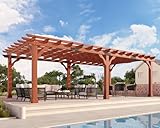
 Aoxun 12'x10' Hardtop Gazebo with Polycarbonate Double
- Material Type: Metal
- Shape: Rectangular
- Water Resistance Level: Waterproof
Double-layer polycarbonate roof blocks UV while allowing airflow
Fits 8 to 10 people under one canopy
Removable curtains add privacy when needed
Needs ground spikes and wind rope when placed on grass
Assembly takes 2-3 people roughly 2-3 hours
| Product | Key specs | |
|---|---|---|
| Aoxun Gazebo 10x12 Hardtop Gazebo with Double | Material Type: Metal Shape: Rectangular Water Resistance Level: Waterproof | Check price |
| Aoxun 12'x10' Hardtop Gazebo with Polycarbonate Double | Material Type: Metal Shape: Rectangular Water Resistance Level: Waterproof | Check price |
 GOJOOASIS 10’x10’ Patio Gazebo Canopy Tent w/Removable GOJOOASIS 10’x10’ Patio Gazebo Canopy Tent w/Removable | Check price | |
 Aoxun 12' X 16' Hardtop Gazebo with Aoxun 12' X 16' Hardtop Gazebo with | Material Type: Aluminum Frame Material: Alloy Steel, Aluminum, Metal Shape: Rectangular | Check price |
As an Amazon Associate we earn from qualifying purchases at no extra cost to you.
Decide These 3 Things First
- How much usable space do you need? Measure the furniture, grill, or spa you plan to place underneath, then add at least 24 to 36 inches of circulation space on the sides people will use. Account for roof overhang and the clearance needed around doors and windows.
- Is this seasonal or permanent? A removable fabric canopy is suitable for occasional shade and lower upfront cost. A hardtop gazebo is a better fit for frequent use, rain protection, and a structure you expect to keep assembled for years.
- What weather must it handle? Consider wind, rain, snow, sun, and coastal corrosion. A gazebo for a sheltered backyard has different requirements from one on an exposed deck or in a region with heavy snowfall.
Size: Measure Usable Space, Not Just the Roof
Gazebo dimensions describe the outside footprint, not the open living area. For a dining table and four to six chairs, a 10-by-10-foot gazebo is a practical starting point. It provides 100 square feet of roofed space, although posts and furniture reduce the clear area. A 10-by-12-foot model offers 120 square feet and gives you more flexibility for a rectangular table, serving cart, or two lounge chairs.
For larger entertaining areas, a 12-by-16-foot gazebo provides 192 square feet and can accommodate a dining zone plus separate seating. Measure the actual site in several places; patios are not always square, and property lines, trees, utility equipment, and grill clearances can limit placement.
Leave at least 12 to 24 inches of clearance between the gazebo and nearby walls or fences when the manufacturer permits it. Check the assembled height as well. Many hardtop models are roughly 8 to 10 feet tall at the eaves and higher at the peak. Confirm that the roof will not interfere with second-story windows, branches, or overhead lines. If you plan to use a ceiling fan or hanging light, allow additional headroom and verify the roof framing can support it.
Material: Compare the Roof, Frame, and Screens Separately
“Metal gazebo” is not a complete material description. Evaluate each major component.
- Steel frames and roofs: Steel is strong and often less expensive, but untreated or poorly protected steel can rust. Look for powder coating, galvanized components, sealed joints, and drainage paths.
- Aluminum frames: Aluminum is lighter and naturally resistant to rust, making it useful in humid or coastal environments. It may dent more readily than steel, so thick posts and reinforced connections matter.
- Polycarbonate roof panels: These translucent panels admit daylight while blocking much of the direct sun. Look for UV protection, adequate panel thickness, and replacement-panel availability.
- Fabric canopies: Polyester or similar outdoor fabric keeps initial cost low and makes seasonal removal easier. Check the denier or fabric weight, UV treatment, water resistance, and whether replacement tops are sold.
- Netting and curtains: Removable mesh can reduce insects without permanently blocking airflow. Zippers, tiebacks, and reinforced attachment points are more useful than decorative fabric alone.
For example, a soft canopy such as the 10-by-10-foot GOJOOASIS model, listed at about $93.99, belongs in the portable, seasonal category. The Aoxun hardtop examples, ranging from roughly $399.99 to $899.99, represent a more permanent investment. Do not compare those prices as though the products provide the same level of shelter or longevity.
Construction: Inspect Connections, Anchoring, and Drainage
Roof and frame construction determine how a gazebo behaves in wind and rain. Look for bolted connections rather than relying solely on thin screws or friction-fit parts. Posts should attach to substantial foot plates with multiple anchor holes. A typical permanent gazebo may need four or more anchors per post, but follow the supplied hardware and your surface type.
Concrete, masonry, wood decking, and pavers require different fasteners. A gazebo placed on soil may need ground anchors or a properly prepared base rather than generic screws. Never assume the included hardware is suitable for every surface.
Roof pitch and built-in gutters are also meaningful. A sloped roof helps move water away from the center, while gutters or integrated drainage channels can direct runoff toward designated corners. Some hardtop models, including larger listings marketed with built-in drainage, are designed around this feature. Confirm where water exits before positioning the structure beside a foundation, walkway, or neighboring property.
For snow country, check the published snow-load rating in pounds per square foot rather than relying on the words “heavy duty.” Wind ratings should also be stated in miles per hour when available. If a listing provides neither number, contact the manufacturer before buying.
Comfort and Performance: Plan for Sun, Rain, Wind, and Bugs
A gazebo is only useful when people want to sit underneath it. Roof opacity affects temperature and brightness: solid roofs provide stronger shade, while translucent polycarbonate panels create a brighter space. A double-roof design can improve ventilation by allowing hot air to escape through a gap, but the exact benefit depends on the opening and roof layout.
For a portable canopy, removable netting is valuable because you can open the sides for airflow or close them during dinner. Curtains offer more privacy and some wind protection, but they can catch gusts and put extra stress on the frame. Tiebacks should be included or easy to add.
If you want lighting, calculate the electrical load before installing accessories. A small outdoor LED fixture may use 10 to 30 watts, while a ceiling fan commonly uses about 40 to 75 watts depending on speed and light kit. Use outdoor-rated fixtures, weatherproof connections, and a properly protected circuit. Do not hang a fan or chandelier from a roof panel that was not designed to support it.
Price Tiers: Know What Your Budget Buys
Under $150: Expect a seasonal pop-up or soft canopy, often around 10 by 10 feet. This tier can provide shade and light rain coverage, but fabric replacement, wind sensitivity, and limited anchoring are common trade-offs. The approximately $93.99 GOJOOASIS example fits this category.
$300 to $600: This range commonly includes smaller hardtop gazebos, basic steel frames, and polycarbonate or metal roof systems. The Aoxun 12-by-10-foot polycarbonate example is listed around $399.99, while a 10-by-12-foot galvanized-steel-roof example is around $479.99. Compare roof material, anchor hardware, screens, and shipping rather than assuming a higher price means a stronger structure.
$700 to $1,200 or more: Larger footprints, aluminum framing, better drainage, thicker roof systems, and included curtains or screens become more common. A 12-by-16-foot Aoxun aluminum gazebo listed around $899.99 illustrates the jump in cost that comes with more covered area and a more permanent build. Installation may still be an additional expense.
Budget another 10% to 20% for a prepared base, upgraded anchors, replacement canopy parts, lighting, tools, or professional assembly.
Warranty: Read the Coverage Before You Need It
A warranty is most useful when it clearly covers the parts most likely to fail. Look for separate terms for the frame, roof panels, fabric, finish, and hardware. A one-year limited warranty may be adequate for a basic seasonal canopy, while a permanent hardtop deserves longer structural coverage if available.
Check exclusions carefully. Wind damage, snow accumulation, improper anchoring, rust caused by coastal air, storm damage, and unauthorized modifications are often excluded. Find out whether the company supplies replacement panels, canopy tops, screens, and bolts individually. Also verify whether the warranty requires registration or proof of purchase, and whether the buyer pays shipping for replacement parts.
Delivery and Assembly: Account for the Real Project
A hardtop gazebo is rarely a one-person afternoon project. A 10-by-12-foot structure may involve several boxes and roof sections that require two to four adults for safe lifting. Larger 12-by-16-foot models can take a full day or more to assemble, especially if the site needs leveling or a concrete pad.
Confirm the package dimensions and delivery method before ordering. Measure gates, stairways, doorways, and the route to the installation site. Inspect every carton for punctures before signing for delivery, then photograph damaged packaging and parts. Inventory the hardware before beginning; missing brackets or roof panels can stop the project midway.
Ask whether the price includes curbside delivery, inside delivery, assembly, debris removal, and anchoring. “Assembly available” may mean a separate local-service quote. If hiring help, use an installer experienced with outdoor structures and confirm that the service includes final anchoring and drainage setup.
Spec Checklist
| Spec | Budget | Mid | Premium |
|---|---|---|---|
| Typical price | $75–$175 | $300–$600 | $700–$1,500+ |
| Typical size | 10×10 feet | 10×12 to 12×12 feet | 12×16 feet or larger |
| Roof | Polyester fabric | Polycarbonate or steel | Multi-layer metal or reinforced polycarbonate |
| Frame | Light steel or aluminum | Powder-coated steel or aluminum | Heavier aluminum or reinforced steel |
| Accessories | Basic canopy; optional netting | Netting, curtains, gutters | Integrated drainage, curtains, lighting-ready design |
| Setup expectation | 1–2 adults; seasonal setup | 2–3 adults; several hours | 3–4 adults or professional assembly |
Red Flags
- The listing gives no wind or snow information for a permanent structure.
- Product dimensions are shown, but assembled height, post spacing, or roof overhang are missing.
- The roof is described as “metal” without identifying steel, aluminum, coating, or panel construction.
- Anchor hardware is pictured but not listed, or the instructions do not explain compatible surfaces.
- Reviews repeatedly mention missing panels, stripped screws, leaking seams, or difficult-to-reach replacement parts.
- The seller offers no replacement canopy, screen, roof panel, or hardware program.
- A low price excludes shipping, assembly, curtains, netting, or required base work.
- The structure is marketed for extreme weather without a published rating or maintenance guidance.
FAQ
What size gazebo is best for a table and six chairs?
A 10-by-12-foot gazebo is a practical minimum for a dining table and six chairs, provided the table is not oversized. A 12-by-16-foot model is more comfortable if you want space for a serving cart, grill kept outside the enclosed area, or additional lounge seating.
Are hardtop gazebos worth the extra cost?
They can be worth it if you use the space regularly and need better rain protection, shade, and year-round setup. A soft canopy is usually the better value for occasional events, renters, or buyers who need a structure that can be removed and stored.
Can a gazebo stay up all year?
Many hardtop gazebos are intended for extended installation, but that does not make them storm-proof. Use the specified anchors, clear leaves and snow, inspect fasteners, and remove fabric curtains or canopies when severe weather is expected. A portable canopy should generally be taken down in strong wind.
Do I need a permit for a gazebo?
Requirements vary by location and may depend on footprint, height, anchoring, roof type, setbacks, and whether the structure is permanent. Check local building and homeowners association rules before ordering, especially for a gazebo larger than 120 square feet or one attached to a home.