Key takeaways
- No stated post-to-post dimensions, roof clearance, wind guidance, or snow-load information.
- Photos show a solid roof, curtains, or lighting, but the listing says those items are sold separately.
- “Waterproof” fabric is described without drainage details, seam construction, or a slope.
- Very thin posts, mostly decorative brackets, or plastic connectors on a large footprint.
- Anchoring instructions consist only of short stakes for a permanent backyard installation.
- No replacement parts, assembly manual, customer-service contact, or clear warranty exclusions.
- A price that excludes freight, oversize delivery fees, foundation work, or professional assembly.
A pergola can turn an ordinary patio into a useful outdoor room, but the wrong model can create years of frustration. Many buyers focus on appearance and advertised square footage while overlooking post dimensions, roof coverage, wind exposure, anchoring, and assembly requirements. Others assume a slatted roof provides the same protection as a solid canopy, or buy a low-priced structure without checking whether replacement covers and hardware are available.
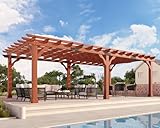
This pergola buying guide for backyards focuses on the specifications that matter after the box arrives. Whether you are comparing a cedar model such as the Jocisland 12-by-16-foot pergola, a curtained metal design such as the Aoxun 20-by-10-foot model, or adding an inexpensive shade cloth such as the 8-by-12-foot Shade&Beyond cover, evaluate the structure as a complete outdoor system—not just as a decorative frame.
Our top picks


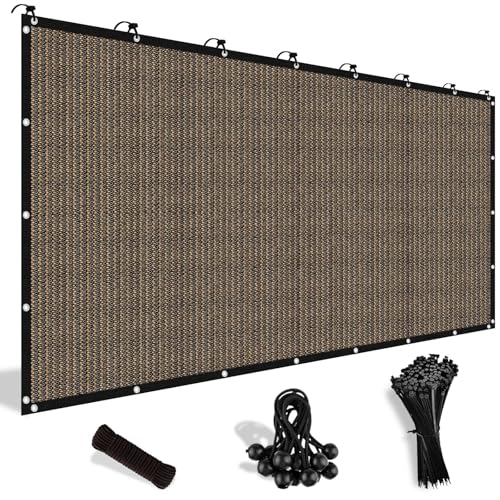 Shade&Beyond 90% Sun Shade Cloth with Grommets
- 90% Sun Block: Shade&Beyond shade cloth with grommets…
- Premium Shade Fabric: Crafted from 200GSM high-density polyethylene…
- Easy to Install: With included grommets on each…

As an Amazon Associate we earn from qualifying purchases at no extra cost to you.
Decide These 3 Things First
- What will the pergola cover? Measure the furniture, grill, dining table, or hot tub area, then add at least 18 to 24 inches of clearance on every exposed side. A 10-by-12-foot footprint provides 120 square feet, but usable shade may be smaller if the roof is open.
- How much weather protection do you need? A trellis roof filters sunlight but does not create a reliably dry space. For rain protection, look for a solid, sloped roof or a compatible canopy designed for the exact frame.
- How permanent should it be? Freestanding pergolas need proper anchoring, especially on decks, concrete, and windy lots. Decide in advance whether you can dig footings, drill into concrete, or install rated brackets on an existing deck.
Size: Measure the Living Area, Not Just the Product
Manufacturers usually list the outside dimensions, including posts and overhangs. A “12-by-16-foot” pergola may have an interior span closer to 10 by 14 feet. Check the post-to-post measurements before ordering, and allow room for doors, walkways, and furniture pullout.
For a small seating area, a 10-by-10-foot pergola can fit two chairs and a compact table. A 10-by-12-foot structure is more practical for four-person dining. For a six- to eight-person table, consider at least 12 by 16 feet. A grill, outdoor kitchen, or sectional may require 16 by 20 feet or a custom structure.
Also check height. An interior clearance of 7 feet 6 inches is comfortable for most people; 8 to 9 feet feels more open and accommodates ceiling fans or hanging lights. Confirm the highest point and lowest roof edge, since sloped roofs can reduce clearance along one side. Measure overhead utility lines, tree branches, property lines, and required setbacks before purchase.
Material: Choose for Maintenance and Climate
Wood offers the warmest appearance and is easy to paint or stain. Cedar is naturally resistant to decay and insects, but it still weathers, checks, and changes color. Expect to clean and reseal exposed wood roughly every two to three years, depending on sun and moisture. Inspect the actual post dimensions: 4-by-4-inch posts are common on lighter kits, while 6-by-6-inch posts generally look and feel more substantial.
Aluminum is lightweight, rust-resistant, and usually easier to maintain than wood. Powder-coated finishes can last well, but thin-gauge components may flex or dent. Aluminum roof panels can become hot in direct sun and may amplify rain noise.
Steel can provide strong, rigid framing at a competitive price. Look for a powder-coated or galvanized finish and inspect fasteners for corrosion resistance. Scratches that expose bare steel should be repaired promptly, particularly in humid or coastal locations.
For any material, ask whether the roof, posts, and brackets use the same corrosion-resistant standard. Mixing ordinary steel screws with aluminum or treated wood can accelerate corrosion. In snowy regions, prioritize a published snow-load rating rather than relying on a generic “all-weather” description.
Construction: Look Beyond the Decorative Roof
Construction quality is visible in the connections. Favor bolted or mechanically fastened joints with substantial corner brackets over thin decorative straps alone. Posts should sit on metal foot plates or rated anchors rather than directly in standing water. Adjustable post bases help level a structure on concrete, but they do not replace proper anchoring.
For a freestanding pergola, plan on four primary anchors at minimum, with additional bracing or anchors on larger models. A 12-by-16-foot structure has a much larger wind-catching area than a 10-by-10-foot structure. On a concrete slab, use concrete-rated expansion or wedge anchors sized according to the manufacturer’s instructions. On a deck, attach posts to structural framing—not only to deck boards.
Roof design also affects strength. Closely spaced slats create more shade but can catch wind and add weight. A solid roof needs drainage, a slope, and a plan for runoff. Never assume that stakes included with a kit are adequate for permanent installation; short ground stakes may be suitable only for temporary accessories or soft soil.
Comfort and Performance: Shade, Rain, Wind, and Heat
A slatted roof is best understood as a shade filter. If the slats leave 40 percent of the roof open, sunlight will still reach furniture and occupants as the sun moves. A fabric canopy or shade cloth can improve comfort, but it may not be waterproof. Mesh shade cloths commonly block a stated percentage of sunlight—90 percent, for example—while allowing air and some moisture through.
For a canopy, verify whether the fabric is water-resistant, waterproof, UV-treated, and removable. A 90-percent shade mesh is useful for glare and heat reduction but should not be treated as a rain roof. Grommets must align with the frame, and tie-downs need enough points to prevent pooling or flapping.
Curtains and netting improve privacy and help with insects, but they add wind load. Choose tracks or rings that can be opened and secured quickly before storms. If you want electrical features, check whether the frame includes a rated fan beam or only a place to hang a light. A typical outdoor ceiling fan may use 40 to 75 watts, while string lighting may use 10 to 30 watts; use weather-rated fixtures, outdoor cords, and protected connections.
Price Tiers: Compare the Complete Setup
Budget, roughly $250 to $700: Expect smaller steel or aluminum frames, basic wood kits, open slatted roofs, and limited accessories. You may need to add $25 to $150 for a shade cover, anchors, or curtains. This tier works well for renters or occasional shade, provided the structure can be secured safely.
Midrange, roughly $700 to $1,500: This is where many backyard buyers shop. It includes larger cedar structures, better-finished steel frames, curtains, netting, and more substantial hardware. The example prices supplied—about $800 to $950 for several 12-by-16- to 20-by-10-foot models—fit this general range, but included accessories and installation requirements vary significantly.
Premium, $1,500 to $5,000 or more: Expect heavier posts, engineered connections, permanent roofing, integrated drainage, adjustable louvers, or custom sizing. Professional installation may add $500 to $2,500, depending on excavation, electrical work, roof complexity, and local labor rates.
Budget separately for a level foundation, anchors, stain, replacement fabric, lighting, and delivery. A $900 pergola can easily become a $1,500 project once it is anchored, assembled, shaded, and furnished.
Warranty: Read What Is Actually Covered
Look for separate warranty terms for the frame, finish, roof panels, fabric, and hardware. A five-year frame warranty may exclude fading, surface rust, wind damage, improper anchoring, snow, or movement caused by an unlevel foundation. Fabric warranties are often shorter—one to three years is common—because UV exposure and installation tension affect longevity.
Save the receipt, assembly instructions, serial number, and photographs of the installation. Confirm whether warranty service requires the original purchaser, professional installation, or proof that the structure was anchored to a permanent foundation. Also check whether replacement slats, panels, curtains, and brackets are sold individually. A repairable product is more valuable than one that must be discarded after a small component fails.
Delivery and Assembly: Plan for the Heavy Parts
Large pergola kits may arrive in multiple cartons, with the heaviest package weighing 75 to 150 pounds. Confirm whether delivery is curbside and whether someone can move long, awkward boxes. A 12-foot or 16-foot beam may require three adults, temporary supports, or a lift to position safely.
Assembly commonly takes two experienced adults six to 12 hours for a basic kit, excluding foundation work. Larger roofed structures can take a full weekend or require professional installation. Before ordering, verify the tool list, ladder height, number of steps, and whether the instructions identify every fastener. If the kit requires drilling, concrete anchors, or cutting, treat it as a construction project rather than quick furniture assembly.
Spec Checklist
| Spec | Budget | Mid | Premium |
|---|---|---|---|
| Typical footprint | 10 × 10 to 10 × 12 ft | 12 × 16 to 20 × 10 ft | 12 × 16 ft and larger or custom |
| Post size | About 3 × 3 to 4 × 4 in. | 4 × 4 to 6 × 6 in. | 6 × 6 in. or engineered steel |
| Roof type | Open slats or basic fabric | Slats, mesh, or fixed panels | Louvers, insulated panels, or engineered roof |
| Shade coverage | About 30% to 70% | About 50% to 90%, depending on cover | Adjustable or near-full coverage |
| Anchoring | Basic brackets or stakes | Concrete or structural deck anchors | Engineered footings or rated brackets |
| Accessory allowance | $25–$200 | $100–$500 | $300–$1,500+ |
| Typical total project | $300–$900 | $900–$2,500 | $2,000–$7,500+ |
Red Flags
- No stated post-to-post dimensions, roof clearance, wind guidance, or snow-load information.
- Photos show a solid roof, curtains, or lighting, but the listing says those items are sold separately.
- “Waterproof” fabric is described without drainage details, seam construction, or a slope.
- Very thin posts, mostly decorative brackets, or plastic connectors on a large footprint.
- Anchoring instructions consist only of short stakes for a permanent backyard installation.
- No replacement parts, assembly manual, customer-service contact, or clear warranty exclusions.
- A price that excludes freight, oversize delivery fees, foundation work, or professional assembly.
FAQ
What size pergola is best for a typical backyard?
A 10-by-12-foot pergola suits a small seating or four-person dining area. Choose 12-by-16 feet for a larger dining set, sectional, or combination of seating and a grill. Measure the interior clearance, not only the advertised outside footprint.
Does a pergola keep rain out?
An open slatted pergola does not reliably keep rain out. A fitted fabric canopy may resist light rain, while a sloped solid roof provides better protection. Every roof needs drainage and enough slope to prevent water from pooling.
Is wood or metal better for a pergola?
Wood is warmer-looking and easier to refinish, but it needs periodic cleaning and sealing. Aluminum resists rust and requires less maintenance, while steel can offer rigid framing but needs a durable protective finish. Climate, maintenance tolerance, and anchoring quality matter as much as the material itself.
Can I assemble a pergola myself?
Many kits can be assembled by two adults, but large beams and roof panels are heavy and awkward. Plan on six to 12 hours for a basic kit, plus foundation work. Hire help if the structure requires excavation, electrical connections, roof installation, or lifting components that cannot be handled safely.