Key takeaways
- Looking for the best prices for garden planters? Compare concrete, steel and plastic planters by size, drainage and weather resistance to judge real value.
If you are searching for the best prices for garden planters, the honest starting point is that planter prices move constantly — they shift with seasons, stock levels and seller promotions, so any fixed figure printed in a guide like this would be out of date before long. What does not change is what actually drives the cost of a planter: the material it is made from, how big it is, whether it has proper drainage, and how well it stands up to weather. This guide compares four garden planters on exactly those points — construction, dimensions, drainage design and outdoor durability — so you can judge value for yourself when you check the current listings. The picks below were selected from published listing specifications, not from detailed research, and each one represents a different material and price tier logic: heavy concrete, tall galvanized steel, a concrete and fiberglass blend, and lightweight molded plastic.
As an Amazon Associate, we earn from qualifying purchases.
Quick answer
For most gardeners, the ShangDemonMaster Concrete Planter Set of 3 offers the strongest value structure: three graduated concrete planters (9, 13 and 18 inches) with drainage holes and rubber plugs, so one purchase covers small herbs through to a statement shrub. If you want height and a modern look beside a doorway or on a patio corner, the Gabviem Tall Black Planter at 28 inches tall uses galvanized steel and includes an insert shelf that reduces the soil volume you need to fill it. The Kante 24-inch Tall Round Concrete Planter suits a single specimen plant where a concrete and fiberglass blend keeps the weight more manageable than solid cast concrete while still resisting UV and weather. And if light weight and easy rearranging matter most, the Glitzhome 15.5-inch Flower Pots come as a set of two molded plastic planters with a faux ceramic finish.
Key takeaways
- Material is the biggest cost driver: solid concrete and steel planters cost more to make and ship than molded plastic, and that difference shows up in the price of every planter in this category.
- Drainage design separates serious planters from decorative shells — every pick here has a drainage hole, and three of the four include a plug or shelf that gives you control over water flow.
- Size changes value more than style does: a tall planter with an insert shelf can deliver the same visual height while using far less soil, which is a real ongoing saving.
- Weather resistance is a long-term value factor: UV-stable, outdoor-rated construction means you are not replacing cracked or faded planters every couple of seasons.
The picks
1. ShangDemonMaster Concrete Planter Set of 3
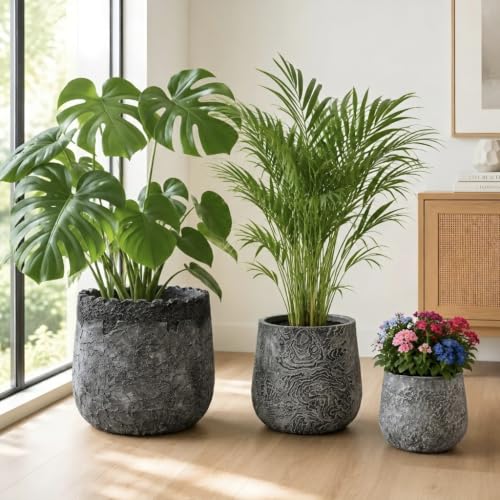
A matched set of three round concrete planters in 9-inch, 13-inch and 18-inch sizes is a practical way to plant a coordinated group without buying pieces one at a time. Concrete is the traditional heavyweight planter material: it stays put in wind, insulates roots against temperature swings better than thin-walled alternatives, and develops a natural patina outdoors. Because this is a set of three graduated sizes, the value logic is straightforward — you are paying for material and casting across three usable planters rather than for a single decorative piece, and the sizes nest visually whether you cluster them on a patio or spread them through a border.
Each planter has a drainage hole with a rubber plug, which is the detail that makes concrete practical for both indoor and outdoor use. Outdoors, you leave the plug out so excess rain and watering drain freely and roots do not sit in water. Indoors or on a covered porch, the plug helps protect the surface underneath. Concrete is heavy even before you add soil, so plan to position the largest of the three before filling it; once planted, treat it as a permanent fixture rather than something you will move with the seasons.
Specs
- Material: concrete
- Sizes: 9 in, 13 in and 18 in round planters (set of 3)
- Drainage: drainage hole with rubber plug
- Use: indoor and outdoor
2. Gabviem Tall Black Planter 28″

Tall planters are usually where prices climb fastest, because height normally means more material and more soil to fill it. The Gabviem takes a different approach: it is built from galvanized steel at 14 by 14 by 28 inches, and it includes an insert shelf inside. That shelf is the value feature — your plant sits higher in the planter, so the visible height comes from the steel structure rather than from a deep column of potting mix. Galvanized steel also brings a different cost profile than concrete: it is lighter for its size, resists rust through its zinc coating, and gives a crisp, modern black finish that suits contemporary patios and entryways.
The base has drain holes, so excess water can escape rather than pooling around roots, and the square footprint works well in corners, flanking a door, or lined up along a railing. At 28 inches tall, it lifts trailing plants and ornamental grasses to a height where they read as part of the garden’s structure instead of sitting at ankle level. Steel will warm up in direct sun more than concrete does, so in very hot climates it is a better fit for a spot with some afternoon shade or for plants that tolerate warm roots.
Specs
- Material: galvanized steel
- Dimensions: 14 × 14 × 28 in
- Drainage: drain holes, plus insert shelf
- Finish: black
3. Kante 24″ Tall Round Concrete Planter

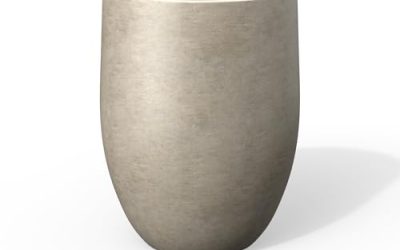
The Kante planter blends concrete with fiberglass, and that blend is the point. Solid cast concrete at this height — 24 inches tall with a 13.38-inch diameter — would be a serious lift; the fiberglass content keeps the planter’s weight more manageable while retaining the look and much of the sturdiness of concrete. Kante rates it as UV and weather resistant, which matters for value over time: a planter that fades, cracks or spalls after two winters was never cheap at any price, while one that holds its finish season after season spreads its cost across years of use.
It has drainage with a plug, so you can run it as a free-draining outdoor planter or close the plug for a sheltered spot where you want to protect decking or a porch floor. The tall, narrow profile suits a single specimen — a small ornamental tree, a standard topiary, or a bold architectural plant — rather than a mixed planting, and the round shape softens the height. If you are comparing tall planters, this is the middle path between the steel Gabviem and fully solid concrete: traditional material character, modern weight savings.
Specs
- Material: concrete and fiberglass blend
- Dimensions: 13.38 in diameter × 24 in H
- Drainage: drainage hole with plug
- Resistance: UV and weather resistant
4. Glitzhome 15.5″ Flower Pots, Set of 2

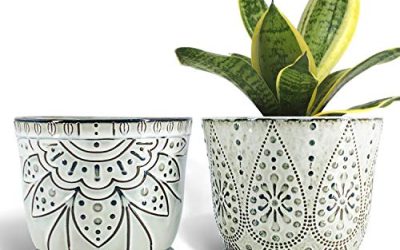
Plastic planters sit at the accessible end of the planter market, and the Glitzhome set shows how to judge them on construction rather than dismissing the category. These are molded from 100 percent PP plastic with a faux ceramic finish, so you get the look of glazed pottery without the fragility or the weight, and the set includes two planters at 15.5 inches, each holding 4.88 gallons. That capacity is a useful mid-size: big enough for a flowering shrub, a cluster of annuals or a small patio tomato, small enough to move without help when you are rearranging or chasing the sun.
The honest trade-offs of plastic are worth stating. It will not insulate roots like concrete, and a lightweight planter with a tall plant can be top-heavy in strong wind, so a sheltered spot or a heavier soil mix helps. What you get in return is flexibility: no cracking in a freeze, no rust, no two-person lift, and a finish that wipes clean. For renters, balcony gardeners, and anyone who likes to rework their layout each season, a set of two like this is often the most sensible spend in the whole category — the value is in how much planting you can do and redo, not in the material itself.
Specs
- Material: 100% PP plastic with faux ceramic finish
- Size: 15.5 in, 4.88 gal capacity each
- Quantity: set of 2
- Use: indoor and outdoor
How to choose
Start with material, because material decides most of the price and most of the ownership experience. Concrete planters are the long-term, stay-in-place choice: heavy, insulating and durable, with a cost that reflects casting and freight. A concrete and fiberglass blend trims the weight while keeping the look, which is worth paying for if you ever need to move a tall planter. Galvanized steel gives height and a modern finish at a lighter weight, and tall steel designs with insert shelves cut your soil costs as well. Molded plastic is the flexible, low-commitment option — judge it by wall feel, capacity and finish quality rather than expecting it to behave like pottery.
Next, check drainage before anything decorative. A planter without a drainage hole is a bucket, and roots sitting in water is the most common way container plants die. Every planter in this guide has drainage; plugs and shelves are the upgrades to look for, because a plug lets you move a planter indoors or onto decking, and an insert shelf in a tall planter saves a surprising amount of potting mix over the life of the planter.
Then match size to the plant, not the other way round. A planter should give roots room to grow for at least a full season; the graduated ShangDemonMaster set works because the three sizes map onto how plants actually graduate as they grow. For tall planters, check the internal planting depth or shelf position rather than the outside height alone — the Gabviem’s 28-inch height with a shelf plants very differently from a 24-inch open column like the Kante. Finally, weigh weather resistance honestly against your climate: UV resistance matters anywhere sunny, frost resistance matters anywhere cold, and a planter rated for outdoor use will almost always outlast a cheaper indoor-only pot pressed into garden service.
Who should skip
If you need exact, up-to-the-minute prices compared across many sellers, skip this guide and go straight to the listings — prices change too often for any article to track them responsibly, and this guide deliberately compares construction and value instead of figures. If you want a single huge statement planter well beyond 18 inches across, none of these four is sized for that; you are looking at a different, heavier category. Gardeners in very hot, full-sun climates who grow root-sensitive plants may want to skip the steel planter, since metal heats up faster than concrete or plastic. And if you are furnishing a formal period garden where only genuine aged stone or terracotta will look right, a faux-finish plastic planter — however practical — is not going to satisfy you.
FAQ
Why do concrete planters cost more than plastic ones?
Mostly material and weight. Concrete has to be cast, cured and shipped at considerable weight, and freight is built into what you pay. Molded plastic is light, fast to produce and cheap to transport. The question is not which costs more at checkout but which serves you longer in the spot you have in mind — a concrete planter that stays in place for a decade and a plastic planter you move every season are both good value, for different gardeners.
Is a drainage hole really necessary in a garden planter?
For outdoor planting, yes, in almost every case. Rain alone can fill a sealed planter faster than roots can use the water, and waterlogged soil suffocates roots and invites rot. A drainage hole with a removable plug, like those on the ShangDemonMaster and Kante planters, gives you both options: free drainage outdoors, and a closed base when the planter sits on a surface you want to protect.
How do I get the tall-planter look without filling a deep pot with soil?
Look for a tall planter with an insert shelf, like the Gabviem in this guide. The shelf holds the plant near the top of the planter, so the height comes from the structure rather than from soil volume. That reduces the amount of potting mix you need, keeps the planted weight lower, and makes replanting much easier because you are working with a shallower root zone.
What size planter should I buy for a shrub or small tree?
Match the planter to the root ball with room to grow: as a working rule, choose a planter noticeably wider than the nursery pot the plant came in, and step up gradually — which is exactly what a graduated set like the 9, 13 and 18 inch ShangDemonMaster trio is designed for. A single specimen in a tall planter, such as the 24-inch Kante, suits a plant you intend to leave in place and grow on for several seasons.
Final verdict
Judging planter prices well means ignoring the sticker long enough to see what you are actually paying for. If you want one purchase that covers most container gardening, the ShangDemonMaster Concrete Planter Set of 3 is the strongest all-round value: three real concrete planters, proper drainage with plugs, and sizes that follow a plant’s growth. For height with a modern finish and lower soil costs, the Gabviem Tall Black Planter’s galvanized steel build and insert shelf make its design work hard for its price tier. The Kante 24-inch planter is the pick for a single specimen where you want concrete character without solid-concrete weight, plus published UV and weather resistance. And the Glitzhome set of two proves the plastic end of the market has its own honest value: light, flexible, and ready to plant the day it arrives. Check the current listings for the figures of the day — but choose on material, drainage and size, and you will have judged the price correctly.
Product and ASIN Reference
| Product | ASIN |
|---|---|
| ShangDemonMaster Concrete Planter Set of 3 | B0F4NNC8XL |
| Gabviem Tall Black Planter 28″ | B0DYDRVCHB |
| Kante 24″ Tall Round Concrete Planter | B0DPW11XN7 |
| Glitzhome 15.5″ Flower Pots, Set of 2 | B0GCD9DLQX |
FAQ
Why do concrete planters cost more than plastic ones?
Is a drainage hole really necessary in a garden planter?
How do I get the tall-planter look without filling a deep pot with soil?
What size planter should I buy for a shrub or small tree?
More from Amazon
Programs that pair well with the guide above. Offers and eligibility are set by Amazon and may change.
Collect the home and kitchen items you want in one registry that guests can shop from.
Create a wedding registrySet up recurring deliveries of everyday items on eligible products. Terms and savings are set by Amazon.
Explore Subscribe & SaveFree shipping on eligible items, Prime Video and more. Eligible new members can start with a free trial.
Start a Prime free trialAudiobooks and podcasts to listen to on the go. Eligible new members can start with a free trial.
Try Audible freeAs an Amazon Associate we earn from qualifying purchases.