
Key takeaways
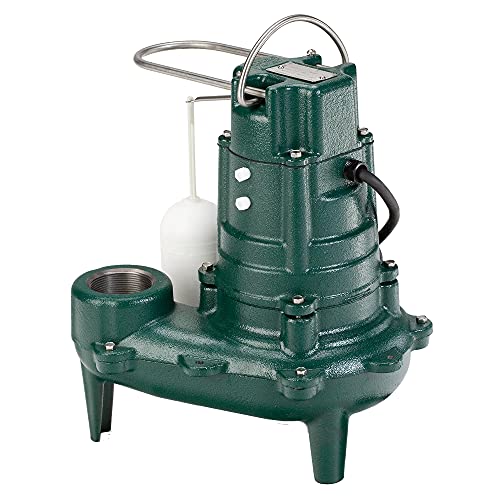
- Best overall: Zoeller Waste-Mate M267 (1/2 HP, cast iron, vertical float, two-inch solids).
- Best for higher lift: Liberty Pumps LE51A (1/2 HP, about 25 feet of lift as reported).
- Best 4/10 HP value: Liberty Pumps LE41A (about 20 feet of lift as reported).
- Best complete package: Liberty Pumps Pro380 series basin system (pump, basin and cover together).
- Best lighter-duty option: Zoeller M264 (4/10 HP, two-inch solids).
- Best budget thermoplastic option: Superior Pump 93501 (1/2 HP, about 25 feet of lift as reported).
- Lowest cost, check the specs: Wayne RPP50 (1/2 HP, piggyback float; confirm solids rating).
The Zoeller Waste-Mate M267 and the Liberty Pumps LE51A are the two best sewage ejector pumps for a basement bathroom: both are one-half horsepower, cast iron, 115-volt units with a two-inch discharge that pass two-inch solids. Choose the Zoeller for a proven vertical float, and the Liberty when your sewer line sits high and you need extra lift.
A basement bathroom sits below the main sewer line, so gravity cannot carry waste out of the house. An ejector system collects it in a sealed basin and lifts it up and out when the level rises. Because the pump handles toilet waste, it has to pass solids, tolerate wear, and run reliably for years in a pit you rarely see. This guide explains how an ejector differs from a sump or grinder pump, which specs matter, and how to size the basin and head for your install.
Our top picks


As an Amazon Associate we earn from qualifying purchases at no extra cost to you.
Quick Picks
- Best overall: Zoeller Waste-Mate M267 (1/2 HP, cast iron, vertical float, two-inch solids).
- Best for higher lift: Liberty Pumps LE51A (1/2 HP, about 25 feet of lift as reported).
- Best 4/10 HP value: Liberty Pumps LE41A (about 20 feet of lift as reported).
- Best complete package: Liberty Pumps Pro380 series basin system (pump, basin and cover together).
- Best lighter-duty option: Zoeller M264 (4/10 HP, two-inch solids).
- Best budget thermoplastic option: Superior Pump 93501 (1/2 HP, about 25 feet of lift as reported).
- Lowest cost, check the specs: Wayne RPP50 (1/2 HP, piggyback float; confirm solids rating).
How We Chose
This guide is based on research, not first-hand evaluation. We compared manufacturer spec sheets and published comparisons, and confirmed each named pump is currently sold. We ranked pumps on solids handling, construction material, lift capacity, switch design, warranty, and how complete the system is as a package. Where sources disagree on a figure, we flag it instead of choosing one. Check the pump nameplate and your local plumbing code before buying.
Ejector vs Sump vs Grinder: Know Which You Need
- Sewage ejector pump: sits in a sealed, vented basin and moves waste containing toilet paper and solids up to a stated size, often two inches. This is the usual choice for a basement bathroom.
- Sump pump: removes groundwater from a pit. It is not rated for sewage and typically passes only small solids. Never connect toilet waste to a sump pit.
- Grinder pump: cuts solids into slurry and pushes it through a small pipe, usually with high head. It is for long runs, big elevation gains or pressure sewers, and costs more. Most basements do not need one.
Spec Criteria
Solids Handling
Look for a pump that passes two-inch spherical solids. That is the common residential standard and keeps the pump from jamming on paper and ordinary waste. Always verify the solids rating on the manufacturer sheet, since one source lists the Wayne RPP50 at a smaller passage than the two-inch pumps.
Cast Iron vs Thermoplastic
Cast iron housings shed heat to the surrounding water and resist cracking, which suits long runtimes. Thermoplastic housings cost less and resist corrosion, but they hold heat less well. For a pump you expect to forget for a decade, cast iron is the safer choice.
Head Height
Head is the total vertical lift plus friction losses. A pump rated for 20 to 25 feet of shutoff head suits most homes. Flow falls steadily as head rises, so the pump has to deliver enough gallons per minute at your actual head, not at the label’s best-case number.
Horsepower: One-Half vs Three-Quarter
Most residential ejectors are 4/10 or 1/2 horsepower. One-half horsepower is the standard for a bathroom group. Three-quarter horsepower and larger units suit higher lift, longer horizontal runs, or multiple bathrooms. A larger motor does not clear solids better, so do not buy it just for peace of mind.
Float Switch
A vertical float works well in narrow basins because it has less room to snag. A tethered float needs enough width to swing freely. Piggyback plugs let you test the pump manually while keeping automatic operation. Check that the float has room to move inside your basin.
| Pump | Horsepower | Housing | Discharge | Solids | Float | Reported lift |
|---|---|---|---|---|---|---|
| Zoeller Waste-Mate M267 | 1/2 | Cast iron | 2 inch | 2 inch | Vertical | About 21.5 ft |
| Zoeller M264 | 4/10 | Cast iron | 2 inch | 2 inch | Varies by version | Check sheet |
| Liberty LE51A | 1/2 | Cast iron | 2 inch | 2 inch | Tethered | About 25 ft |
| Liberty LE41A | 4/10 | Cast iron | 2 inch | 2 inch | Tethered | About 20 ft |
| Superior 93501 | 1/2 | Cast iron, thermoplastic impeller | 2 inch | 2 inch | Tethered | About 25 ft |
| Wayne RPP50 | 1/2 | Varies | 2 inch | Confirm | Piggyback tethered | About 10 ft |
Pumps Reviewed
Zoeller Waste-Mate M267
Spec line: 1/2 HP · 115 V · cast iron · 2-inch discharge · passes 2-inch solids · vertical float · about 21.5 feet of lift
Best for: standard basement bathrooms with a sewer line within about 15 feet of vertical lift.
Skip if: your total lift is near 20 feet or more; pick a higher-lift pump.
- Pros: durable cast iron, vertical float suits narrow basins, long track record.
- Cons: more expensive than thermoplastic pumps; lower lift than the Liberty.
Liberty Pumps LE51A
Spec line: 1/2 HP · 115 V · cast iron · 2-inch discharge · 2-inch solids · oil-filled motor · about 25 feet of lift · tethered float · 2-year warranty as reported
Best for: homes with a high sewer line or longer horizontal runs.
Skip if: your basin is narrow enough to restrict a tethered float.
- Pros: highest lift among the half-horsepower picks; oil-filled motor cools well.
- Cons: tethered float needs width; pricier than budget options.
Liberty Pumps LE41A
Spec line: 4/10 HP · 115 V · cast iron · 2-inch discharge · 2-inch solids · about 20 feet of lift as reported · tethered float
Best for: a single bathroom with low to moderate lift.
Skip if: you expect to add a second bathroom later.
- Pros: lower cost than the LE51A; the same build quality.
- Cons: less lift and flow margin.
Liberty Pumps Pro380 Series Basin System
Spec line: ejector pump · polyethylene basin · sealed cover with vent and discharge fittings · basin diameter varies by model (check the label)
Best for: new installs where you need the basin, lid and pump matched to each other.
Skip if: you already have a basin and only need a replacement pump.
- Pros: matched components, simpler shopping, easier float access.
- Cons: confirm that the basin diameter and depth fit your pit; model variants differ.
Zoeller M264
Spec line: 4/10 HP · cast iron · 2-inch solids · about 90 gallons per minute as reported at low head
Best for: small installs with short, low lift.
Skip if: your lift is above about 15 feet.
- Pros: Zoeller build, lower cost than the M267.
- Cons: less margin for added fixtures.
Superior Pump 93501
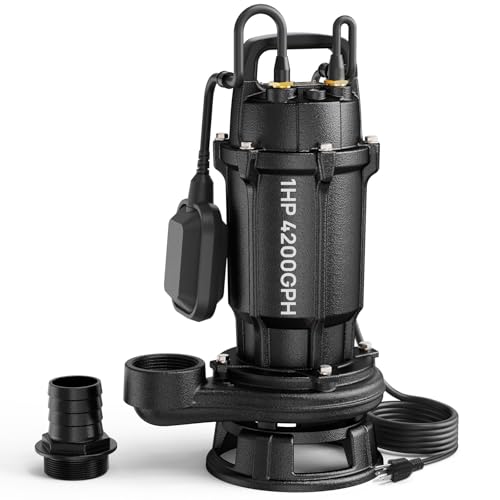
Spec line: 1/2 HP · 120 V · cast iron housing · thermoplastic impeller · 2-inch solids · about 25 feet of lift as reported · tethered float
Best for: medium households that want a lower price with a decent lift rating.
Skip if: you want an all-metal impeller or the longest service record.
- Pros: price, lift rating.
- Cons: thermoplastic impeller; less service history than Zoeller or Liberty.
Wayne RPP50
Spec line: 1/2 HP · 2-inch discharge · piggyback tethered float · about 10 feet of lift as reported · about 103 gallons per minute as reported at low head
Best for: short, low-lift installs where cost is the main limit.
Skip if: your total head exceeds about 8 to 10 feet, or solids rating matters; one source lists a smaller solids passage than the others, so confirm before buying.
- Pros: lowest price of the group; piggyback switch.
- Cons: modest lift; solids rating conflicts between sources.
Information Gain: Size Your Basin and Head
Step 1: Calculate Total Dynamic Head
Measure the vertical distance from the basin floor (or the pump’s normal off level) to the sewer line or the highest point of the discharge pipe. Add friction loss for the horizontal run and fittings. As a planning assumption, add about 2 feet for a short run of two-inch pipe with a check valve and a few elbows, and more for long runs. If the vertical rise is 12 feet and friction adds 2 feet, total head is 14 feet.
Step 2: Check the Pump Curve
A pump listed at 21.5 feet of shutoff lift will not move useful flow at 21 feet. It should deliver a reasonable flow at 14 feet, but you must read the performance curve for that number. Prefer a pump whose shutoff head is at least 1.5 times the total head, so you are not running at the end of the curve.
Step 3: Size the Basin
A 24-inch-diameter round basin holds about 1.96 gallons per inch of depth, since 3.14 x 12 x 12 divided by 231 cubic inches per gallon is about 1.96. If the float swings through 10 inches between on and off, that is about 20 gallons per cycle. A 1/2 HP pump delivering around 80 gallons per minute at your head empties 20 gallons in about 15 seconds. Short cycles are normal; very short cycles under 10 seconds can wear the switch and motor, so a wider basin or a higher float spread helps.
Step 4: Allow Reserve Capacity
Leave room above the on level for a high-level alarm and some reserve. A typical bathroom group sends perhaps 3 to 5 gallons per flush and shower cycle, so a basin with at least a few inches of reserve above the alarm gives you time to react to a failure.
| Your total head | Suggested pump class |
|---|---|
| Up to 10 ft | 4/10 or 1/2 HP; any of the pumps above |
| 10 to 15 ft | 1/2 HP cast iron such as Zoeller M267 or Liberty LE51A |
| 15 to 20 ft | Liberty LE51A or Superior 93501 |
| Over 20 ft or a long run | Higher-horsepower ejector or grinder; consult a plumber |
Installation and Code Notes
- Sealed, vented basin. Sewer gas must be vented outdoors through a code-compliant vent. Use a gasketed lid.
- Check valve. A check valve on the discharge keeps waste from flowing back into the basin. Install it where you can reach it.
- Discharge size. Most codes require a two-inch discharge for pumps that pass two-inch solids.
- High-water alarm. A separate alarm on its own switch warns you before the basin overflows.
- Dedicated circuit. Many installations require a dedicated, grounded, ground-fault protected circuit. Follow your local electrical code.
- Permits. Many jurisdictions require a permit and inspection. A licensed plumber handles sealing, venting and tie-in.
- Safety. Sewage contains bacteria. Shut off power before servicing, wear gloves and eye protection, and never enter the basin.
Common Buying Mistakes
The most frequent error is buying a pump on price and horsepower without checking head. A pump that looks adequate on the label may deliver little flow once it fights your real lift, and it will run long, hot cycles that shorten its life. The second error is reusing an old basin that is too narrow for the float, which causes the switch to hang up and the pump to run dry or fail to start. The third is skipping the check valve or installing it where it cannot be reached, so a failed valve means opening the pipe. Finally, many owners forget the alarm. A basin with no warning system turns a dead pump into a flooded floor, so budget for the alarm when you budget for the pump.
Maintenance
Lift the lid a couple of times a year and run water to confirm the pump starts, runs and stops cleanly. Test the alarm. Do not flush wipes, sanitary products or grease, since they cause most jams. Expect a residential ejector to last roughly 8 to 15 years with proper use, and plan on replacement if it begins to short-cycle or hum without moving water.
Frequently Asked Questions
What is the difference between a sewage ejector pump and a sump pump?
A sewage ejector handles toilet waste and solids from a sealed basin. A sump pump removes groundwater and is not rated for sewage.
Never connect a toilet to a sump pit.
What solids size should a sewage ejector pass?
Two-inch spherical solids is the common residential standard. Choose a pump that lists that rating on the manufacturer specification sheet.
Some low-cost pumps list smaller passages, so verify before you buy.
Is 1/2 horsepower enough for a basement bathroom?
Yes, for most homes. A one-half-horsepower cast iron pump handles a bathroom group at ordinary lift.
Move up in size only for high lift, long runs or multiple bathrooms.
How big should the basin be?
A basin about 18 to 24 inches in diameter and 30 inches deep works for many single-bathroom installs. Match it to the pump’s float travel.
A wider basin lengthens run cycles, which reduces switch wear.
Do I need a high-water alarm?
Yes. An alarm gives you warning if the pump fails, which can prevent a sewage backup in your basement.
Many codes require it, so check yours.
How long does an ejector pump last?
Roughly 8 to 15 years in typical residential use. Heat, constant short-cycling and flushed wipes shorten the life.
Replace the pump if it hums, trips the breaker or cycles constantly.
Can I install it myself?
Some homeowners do, but venting, sealing and permits make this a job for a licensed plumber in many areas.
Poor sealing can let sewer gas into the home.
Cast iron or thermoplastic: which is better?
Cast iron is better for long run times because it sheds heat. Thermoplastic costs less and resists corrosion.
For a hard-to-reach basin, cast iron is the safer long-term choice.


