Key takeaways
- No drainage hole, no compatible liner, and no clear explanation of how excess water exits.
- Vague claims such as “weatherproof” without information about UV exposure, freezing temperatures, or outdoor ratings.
- A large planter that weighs very little and has visibly thin, flexible walls.
- Handles attached with weak staples, narrow stitching, or no reinforcement.
- A tall, narrow shape with a tiny base intended for a windy outdoor location.
- Cracks, pinholes, sharp fiberglass strands, warped rims, or an unstable bottom on arrival.
- Interior dimensions that are much smaller than the advertised exterior size.
- A filler insert that leaves less than the plant’s required root depth or blocks drainage openings.
Choosing a planter by color alone is an easy mistake. The container may look perfect online, yet crack after one freeze, heat up a plant’s roots, hold too much water, or become too heavy to move once filled. Another common error is treating every “lightweight” planter as equally durable. A thin plastic pot, a fabric grow bag, and a hollow resin planter can weigh little but perform very differently.
The best way to decide how to choose planter material is to match the container to the plant, location, climate, and amount of maintenance you are willing to provide. A balcony herb garden has different needs from a large outdoor tree, and an indoor floor planter needs better protection against leaks than a seasonal patio pot. Use the guide below to compare materials based on real-world trade-offs rather than appearance alone.
Our top picks


As an Amazon Associate we earn from qualifying purchases at no extra cost to you.
Decide These 3 Things First
- Where will the planter live? Indoor containers need a reliable saucer or sealed liner. Outdoor planters must handle sun, rain, wind, and possibly freezing temperatures. A covered porch is less demanding than an exposed rooftop.
- How large will the plant become? A 6-inch herb pot can use nearly any material. A 15-gallon vegetable container or small shrub needs stronger walls, stable construction, and enough drainage to prevent saturated soil.
- Will you move it? Soil is heavy: one gallon of damp potting mix can weigh roughly 8 to 12 pounds, depending on ingredients and moisture. A 20-gallon planter may become difficult or unsafe to lift, even if the empty container weighs only 5 pounds.
Size and Weight
Choose the planter size from the plant’s mature root needs, not just its current nursery pot. A container that is 2 to 4 inches wider than the root ball is usually a practical step-up for many houseplants. Vegetables such as tomatoes, peppers, and eggplants commonly need at least 5 gallons, while compact herbs may be comfortable in 1 to 3 gallons. Small trees and large shrubs can require 15 to 30 gallons or more.
Pay attention to both capacity and dimensions. A tall, narrow pot may hold the advertised volume but tip more easily than a wider container. For outdoor use, look for a base at least one-third as wide as the planter’s total height, especially in windy areas. If the planter is likely to be moved, consider a lightweight material with a wheeled caddy rather than a heavy stone or concrete vessel.
Large planters often use filler inserts to reduce the amount of soil required. A 47-inch-long insert, such as the type sold for tall planters, can occupy the lower section of a container, but it should not block drainage holes or leave the root zone too shallow. Confirm the insert’s dimensions against the planter’s interior, and leave enough depth for the mature roots.
Material
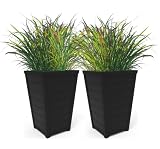
Plastic and resin: These are affordable, light, and available in almost every shape. Quality resin can resist moisture and does not rust, but low-cost plastic may become brittle after years of ultraviolet exposure or crack in freezing weather. Dark colors also absorb more heat than pale colors. Choose UV-resistant resin for full-sun locations and avoid placing thin plastic directly against a hot south-facing wall.
Fiberglass: Fiberglass planters offer a cleaner, more architectural appearance with less weight than concrete or stone. They are often suitable for large entryway containers, but quality varies. Inspect the rim and interior for thin spots, exposed fibers, or flexing. A substantial fiberglass planter should feel rigid when pressed, not soft or wavy.
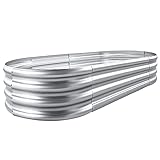
Metal: Steel, aluminum, and galvanized metal provide strong silhouettes and contemporary styling. Aluminum is relatively light and will not rust in the same way untreated steel, while steel is heavier and may need a protective finish. Metal can heat quickly in direct sun, so use an inner nursery pot, insulation, or a light exterior color for plants with heat-sensitive roots.
Terracotta and ceramic: Unglazed terracotta is porous and allows air exchange, but it dries out faster than plastic or glazed ceramic. It can also absorb water and crack during freeze-thaw cycles. Glazed ceramic retains moisture better and offers more color choices, though it is heavy and can chip. Keep both types on a protected surface indoors to prevent water rings.
Concrete and stone: These materials are exceptionally stable in wind and work well for permanent installations. Their drawbacks are weight, cost, and the possibility of cracking if water freezes inside the planter. Confirm that the planter has a drainage opening and a level, reinforced base before placing it on a deck or balcony.
Fabric: Fabric grow bags are inexpensive, breathable, and easy to store flat. A 15-gallon bag may cost about $7 to $20 and often includes handles. Fabric dries faster than solid-sided containers, so plants may need more frequent watering. Look for reinforced handles, double-stitched seams, and a base that sits flat rather than collapsing under a full load.
Construction and Drainage
Material matters only when the planter is well made. Check wall thickness, seam quality, rim strength, and the attachment points for handles. A large container with a thin lip may warp when lifted, while a fabric bag with narrow stitched handles can become difficult to carry once filled.
Drainage is nonnegotiable for most plants. A pot measuring 12 to 18 inches across should have at least one substantial drainage opening, preferably several openings distributed across the base. Very large planters benefit from multiple holes rather than one small central opening. The holes should be large enough to avoid clogging but covered with mesh if soil escapes.
Do not assume a layer of gravel automatically improves drainage. In a container, gravel can reduce the usable root zone and create a wetter soil layer above it. Use a properly blended potting mix, keep drainage openings clear, and place a saucer under indoor planters. If a decorative cachepot has no hole, use it as an outer cover for a draining nursery pot rather than planting directly inside.
Comfort and Performance
Consider the daily work involved. Porous terracotta may require watering every day during hot weather, while plastic, glazed ceramic, and fiberglass generally hold moisture longer. Fabric bags encourage airflow but can dry rapidly at the edges. Match the material to your routine: choose moisture-retentive construction for a plant that is easy to forget, and faster-draining construction for a gardener who tends to overwater.
Surface temperature matters as well. Black plastic and dark metal can become significantly hotter in direct sunlight than pale resin or terracotta. If roots are exposed to prolonged afternoon heat, select a light-colored container, use a protective outer pot, or provide afternoon shade. For indoor furniture, add a waterproof tray with a raised interior so the planter does not sit in standing water.
Handles are useful on fabric bags and smaller plastic containers, but they are not a substitute for a sturdy base. A filled 15-gallon grow bag may weigh more than 100 pounds when soil and water are included. Treat handles as positioning aids only when the bag is partly filled unless the manufacturer specifically rates them for lifting a full container.
Price Tiers
Budget: $5 to $25. Expect basic plastic pots, fabric grow bags, coco liners, and simple filler inserts. A six-pack of 14-inch coco liners may sell for around $9.99, while a two-pack of tall-planter filler inserts may cost about $12.99 to $14.22. These products can be practical, but inspect dimensions, drainage, stitching, and replacement availability.
Midrange: $25 to $100. This tier includes thicker resin, glazed ceramic, powder-coated metal, and better-finished fiberglass. You should expect consistent color, a stable base, cleaner drainage openings, and more substantial rims. For a large outdoor planter, midrange construction is often the best balance between appearance and replacement cost.
Premium: $100 to $500 or more. Premium planters may use thick fiberglass, cast stone, high-quality ceramic, or custom metalwork. The extra cost usually buys better finish quality, larger scale, weight, or a more refined design—not necessarily better plant growth. Confirm that the planter’s size and weight are appropriate for the installation surface before paying for a decorative upgrade.
Warranty
Many inexpensive planters have no formal warranty, and that is common for coco liners, basic plastic pots, and seasonal fabric containers. For a larger or expensive planter, look for at least a one-year warranty against manufacturing defects. Premium manufacturers may offer longer coverage on finishes or structural components, but warranties often exclude normal fading, impact damage, freeze damage, and improper drainage.
Save the receipt and photograph the planter when it arrives. Read whether coverage applies to outdoor use, because some decorative indoor products are not rated for prolonged rain or freezing temperatures. A warranty cannot compensate for choosing a material unsuitable for the climate.
Delivery and Assembly
Check package dimensions and shipping weight before ordering. Large planters may arrive in oversized cartons, and a stone or concrete model can weigh 50 to 200 pounds before soil is added. Measure doorways, stairwells, elevator interiors, and the final path to the planting location.
Some planters require assembly of feet, drainage plugs, liners, or support rings. Assembly should not leave gaps where soil can escape or water can collect. For balcony or rooftop use, verify the structure’s allowable load before installing a large container. If the planter arrives nested or folded, allow fabric and flexible resin pieces to return to their intended shape before filling.
Spec Checklist
| Spec | Budget | Mid | Premium |
|---|---|---|---|
| Typical price | $5–$25 | $25–$100 | $100–$500+ |
| Common materials | Thin plastic, fabric, coco fiber | Resin, glazed ceramic, aluminum, fiberglass | Thick fiberglass, cast stone, premium ceramic, custom metal |
| Useful plant capacity | 1–15 gallons | 5–25 gallons | 15–50+ gallons |
| Drainage | At least one open hole; use a saucer | Multiple holes or removable drain plug | Designed drainage system with liner or raised base |
| Expected empty weight | Under 5 pounds | 5–30 pounds | 20–200+ pounds |
| Best use | Seasonal plants, herbs, liners, grow bags | Patios, entries, indoor feature plants | Permanent focal points and exposed outdoor areas |
Red Flags
- No drainage hole, no compatible liner, and no clear explanation of how excess water exits.
- Vague claims such as “weatherproof” without information about UV exposure, freezing temperatures, or outdoor ratings.
- A large planter that weighs very little and has visibly thin, flexible walls.
- Handles attached with weak staples, narrow stitching, or no reinforcement.
- A tall, narrow shape with a tiny base intended for a windy outdoor location.
- Cracks, pinholes, sharp fiberglass strands, warped rims, or an unstable bottom on arrival.
- Interior dimensions that are much smaller than the advertised exterior size.
- A filler insert that leaves less than the plant’s required root depth or blocks drainage openings.
FAQ
What is the most durable planter material for outdoor use?
For many outdoor settings, quality fiberglass, thick resin, aluminum, and concrete offer good durability. The best choice depends on climate and location. Fiberglass and resin are easier to move, while concrete is more stable in wind but may crack during freezing weather. Look for UV resistance, adequate drainage, and a base designed for outdoor placement.
Are fabric grow bags better than plastic pots?
Neither is universally better. Fabric grow bags are lightweight, breathable, affordable, and easy to store, but they dry faster and may not look as finished. Plastic pots retain moisture longer and are easier to clean. Choose fabric for vegetables, temporary plantings, and storage convenience; choose plastic when consistent moisture and a rigid shape matter more.
Can I use a metal planter in full sun?
Yes, but protect the roots from heat. Use a light-colored metal planter, place a draining nursery pot inside, add insulation between the container and root ball, or provide afternoon shade. Aluminum usually weighs less than steel, while galvanized or coated steel offers a more substantial feel. Check the finish regularly for scratches or corrosion.
How much drainage does a large planter need?
A large planter should have several open drainage points rather than one tiny hole. The exact number depends on the design, but holes should allow water to exit freely after heavy rain. Keep the container slightly elevated on feet or spacers, use a suitable potting mix, and never allow the planter to sit in a saucer of standing water.