Key takeaways
- Using an undersized cover: Fabric should reach the pot’s base and leave room around the foliage.
- Sealing plants airtight: Plants need ventilation, and trapped moisture can promote fungal problems.
- Forgetting the roots: A protected canopy cannot compensate for a small pot sitting on frozen masonry.
- Leaving covers on in bright sun: Temperatures under fabric can rise quickly, stressing leaves and stems.
- Overwatering: Water only when the root ball is genuinely dry or moderately dry for that plant.
- Using regular indoor extension cords: Outdoor power equipment should be weather-rated and connected to GFCI protection.
- Pruning immediately after frost damage: Wait until new growth appears so you can distinguish dead tissue from recoverable tissue.
Freezing weather can damage more than the leaves of a potted plant. When temperatures drop below 32°F, water inside plant cells can freeze, expand, and rupture tissue. A container is especially vulnerable because its roots are exposed on all sides rather than insulated by surrounding ground. Ceramic and terra-cotta pots can also crack when moisture trapped in their pores freezes and expands.
The most common protection mistakes are covering plants with airtight plastic, placing containers directly on frozen concrete, watering too late in the evening, or using a heat source too close to foliage. These shortcuts can trap condensation, encourage rot, scorch leaves, or create a fire hazard. The reliable approach is to combine insulation, airflow, protection from wind, and timely removal of covers. Use the following routine to prepare planters for freezing conditions in 2026 and beyond.
As an Amazon Associate we earn from qualifying purchases at no extra cost to you. Product prices and availability are accurate as of the date shown and are subject to change.

What You Need
| Item | Why | Optional? |
|---|---|---|
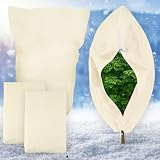
| Frost cloth or winter plant cover | Holds a pocket of warmer air around leaves and shields plants from wind and frost. A 47 × 71-inch blanket works for many medium containers. | No for exposed locations; optional during brief, mild freezes |
| Drawstring plant cover | Provides a faster fit around individual pots or small trees. The Alpurple 3-pack, measuring 47 × 31.5 inches per cover, is one example; listed price is about $12.99. | Yes, if you already have frost cloth |
| Bubble wrap, burlap, or old blankets | Insulates the container and root ball rather than the foliage. Burlap and blankets should stay outside the plant cover. | Optional, but useful for exposed pots |
| Wooden slats, a plant stand, or foam board | Separates the pot from cold pavement and reduces heat loss through the base. | Optional on soil; recommended on concrete or stone |
| Twine, soft ties, or clips | Secures covers without pulling tightly against stems. | Yes |
| Thermometer | Helps you monitor conditions near the containers. Choose one rated for outdoor use. | Yes |
| Outdoor-rated heat cable | Can provide gentle root-zone warmth when approved for containers and used exactly as directed. | Optional; not needed for most freezes |
For comparison, a 47 × 71-inch Winter Plant Covers Freeze Protection blanket is commonly listed around $17.99. Prices change by seller and season, so treat these figures as buying references rather than guarantees. Select a cover that reaches near the ground without pressing against every leaf. A cover that is too small provides little insulation and can bend or break stems.
Step-by-Step
1. Check the forecast and identify vulnerable planters (10 minutes)
Begin when a freeze is forecast, ideally before sunset. “Freeze” generally means temperatures from 28°F to 32°F, while a hard freeze is 28°F or lower for several hours. Tropical plants, citrus, succulents, tender herbs, newly planted specimens, and plants in small containers need the most attention.
Move manageable planters to a garage, enclosed porch, shed, or other unheated shelter. The space should remain above the plant’s minimum safe temperature and have some ventilation. Do not move plants into a heated home without checking for pests and ensuring they receive adequate light.
2. Water at the right time (5 minutes)
Water dry soil during the daytime, several hours before temperatures fall. Moist soil holds more heat than dry soil and helps prevent roots from drying during cold, windy weather. Water slowly until a small amount drains from the bottom, then empty saucers so the pot is not standing in ice-cold water.
Do not saturate a container that already feels wet. Excess moisture can damage roots, especially in poorly draining pots, and can increase cracking risk in porous terra-cotta.
3. Insulate the container and raise it off the ground (10–15 minutes)
Wrap the outside of the pot with burlap, bubble wrap, a folded blanket, or several layers of frost fabric. Leave drainage holes open. For bubble wrap, avoid sealing the entire base so water can escape. Do not wrap foliage tightly inside this layer.
Place the planter on a wood platform, plant stand, thick foam board, or another stable surface. Raising it 1 to 3 inches helps separate the container from frozen concrete, but the support must be strong enough for the pot’s weight. A large, wet planter may weigh more than 100 pounds, so do not use flimsy boxes or unstable furniture.
4. Group containers in a sheltered location (10 minutes)
Arrange pots close together near a south- or east-facing wall, under a covered patio, or behind a windbreak. Keep at least 2 inches between containers to allow some air movement. Grouping reduces exposed surface area, while a wall can release stored daytime heat at night.
Keep pots away from roof runoff, dripping gutters, and low spots where cold air or water collects. Do not push containers against a heating vent, furnace exhaust, or house siding that could be damaged by moisture.
5. Drape the frost cover correctly (10 minutes)
Place frost cloth over the plant and allow it to extend down to the ground or the bottom of the pot. The fabric works by trapping warmer air, so covering only the leaves leaves the roots exposed. A 47 × 71-inch blanket may cover one large planter or several smaller plants, depending on their combined height and width.
Use stakes, clips, or soft ties to keep fabric from resting heavily on fragile stems. Secure the bottom loosely enough for airflow but firmly enough that wind cannot lift it. Leave a small vent opening on the sheltered side when temperatures are expected to remain above freezing during the day.
Never place plastic directly on leaves. Plastic can transmit cold quickly, collect condensation, and cause foliage to freeze where it touches the material. If plastic is needed as an outer rain shield, support it above the frost cloth and remove it as soon as severe weather passes.
6. Add heat only when appropriate (5 minutes)
Most container plants do not need supplemental heat for a single light freeze. If a valuable plant must remain outdoors during prolonged cold, use only an outdoor-rated heat cable or product specifically approved for plant containers. Follow its spacing, wattage, and temperature-control instructions; many container heating products are in the 15- to 50-watt range, but the product label takes priority.
Keep electrical connections off the ground and protected by a ground-fault circuit interrupter (GFCI). Never use candles, charcoal, propane burners, hair dryers, or indoor heating appliances outdoors. Do not place a space heater beneath a fabric cover.
7. Check and uncover at the right time (5–10 minutes)
Inspect covered plants after windy weather to ensure the fabric has not collapsed onto stems or blown away. If daytime temperatures rise above about 40°F, open or remove the cover for several hours, particularly when the plant receives direct sun. Re-cover before temperatures fall again.
Remove the cover after the freeze has passed unless another cold night is expected. Shake off snow gently; never pull frozen fabric from leaves. Let wet fabric dry fully before storing it in a breathable bag.
Mistakes to Avoid
- Using an undersized cover: Fabric should reach the pot’s base and leave room around the foliage.
- Sealing plants airtight: Plants need ventilation, and trapped moisture can promote fungal problems.
- Forgetting the roots: A protected canopy cannot compensate for a small pot sitting on frozen masonry.
- Leaving covers on in bright sun: Temperatures under fabric can rise quickly, stressing leaves and stems.
- Overwatering: Water only when the root ball is genuinely dry or moderately dry for that plant.
- Using regular indoor extension cords: Outdoor power equipment should be weather-rated and connected to GFCI protection.
- Pruning immediately after frost damage: Wait until new growth appears so you can distinguish dead tissue from recoverable tissue.
How Often
Check the forecast every afternoon during a cold spell and inspect covers each morning. Reapply protection whenever temperatures are forecast near the plant’s tolerance limit, especially after rain or strong wind. Frost cloth can be reused for multiple seasons if it remains intact, dry, and free of holes. Wash it according to the manufacturer’s instructions and store it away from rodents and moisture.
Container insulation usually remains in place throughout winter, but inspect it weekly. Replace wet, moldy, compressed, or deteriorated wrapping. Rotate exposed pots occasionally only if doing so will not disturb roots or damage branches.
When to Call a Pro or Replace
Contact a local nursery, arborist, or extension professional when a large specimen is too heavy to move safely, a mature citrus or ornamental tree is at risk, or an irrigation or electrical system must be winterized. Professional help is also sensible when a planter is cracked near its base, leaning, or too heavy for one person to stabilize.
Replace a container if freezing has produced a long structural crack, a bulging side, or a loose bottom. A hairline surface mark may be cosmetic, but a damaged pot can split suddenly when watered. Replace frost cloth when light passes through thin patches, seams unravel, or the material no longer covers the plant securely.
FAQ
Can I use a regular blanket to protect a planter?
Yes, as an outer insulating layer, provided it stays dry and does not crush the plant. Frost cloth is lighter and designed to allow some air and moisture movement. Keep heavy blankets off delicate foliage and remove them during daytime warming.
Should I cover a planter before or after watering?
Water during the daytime, several hours before covering, when the soil is dry enough to need it. Avoid watering frozen soil or leaving a saucer full of water beneath the container.
How cold can a covered potted plant tolerate?
There is no universal temperature because tolerance depends on the species, plant health, pot size, wind, and duration of the freeze. A cover reduces exposure but does not make a tropical plant hardy. Move highly sensitive plants indoors or into sheltered space whenever possible.
Can plastic protect plants from freezing?
Plastic can block wind and rain only when it is supported above the plant and separated from the leaves by frost cloth or stakes. It should not touch foliage or remain sealed around the pot. For most situations, breathable frost fabric is the safer primary cover.